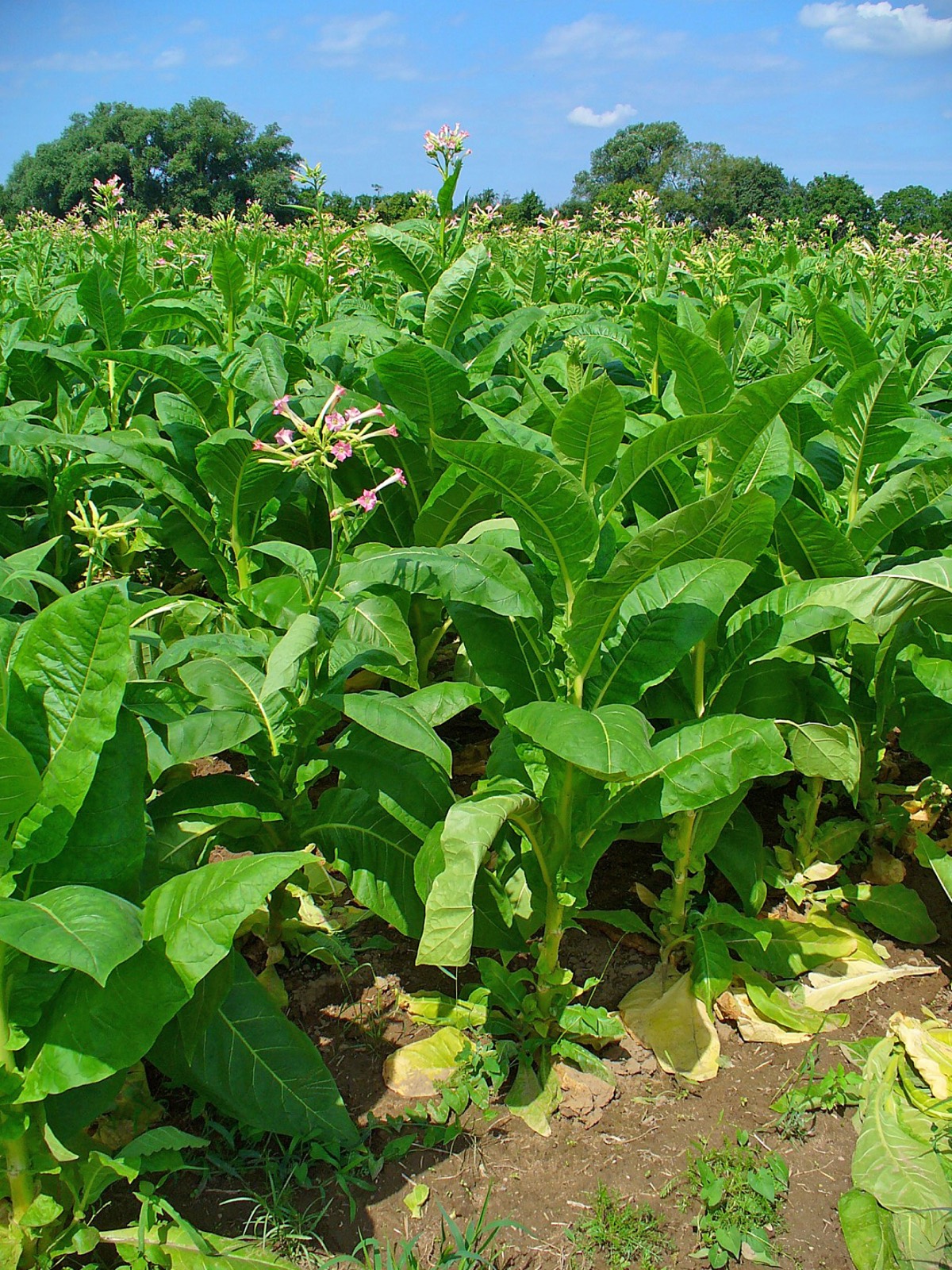
The tobacco plant, Nicotiana tabacum. Public-domain photograph.
Barbados turned to sugar, and planters who could afford a mill and enslaved workers bought out the small farmers.
A servant who finished his time found little cheap land left, because sugar estates had taken the island.
A small tobacco farmer was offered a price for his few acres by a neighbor who needed cane land, and holding out only delayed the sale.
Planters with credit in London or Amsterdam built mills, bought neighbors out, and replaced indentured Europeans with enslaved Africans.
In the 1640s Barbados shifted from tobacco and cotton to sugar, using credit, milling equipment, and commercial ties that ran through Dutch merchants.
Sugar needed a mill and a large crew working together, so the profitable unit was a plantation rather than a family farm.
Small holders sold, enslaved African labor became the workforce, and the island became a model for later English sugar colonies.
Richard Ligon, A True and Exact History of the Island of Barbados (1657); Richard S. Dunn, Sugar and Slaves (1972)