Read the large line first. That is the piece. The picture is the place. The three lines under it are a stretched household, a middle household, and people who already had assets. The paragraphs are there if you want the mechanism.
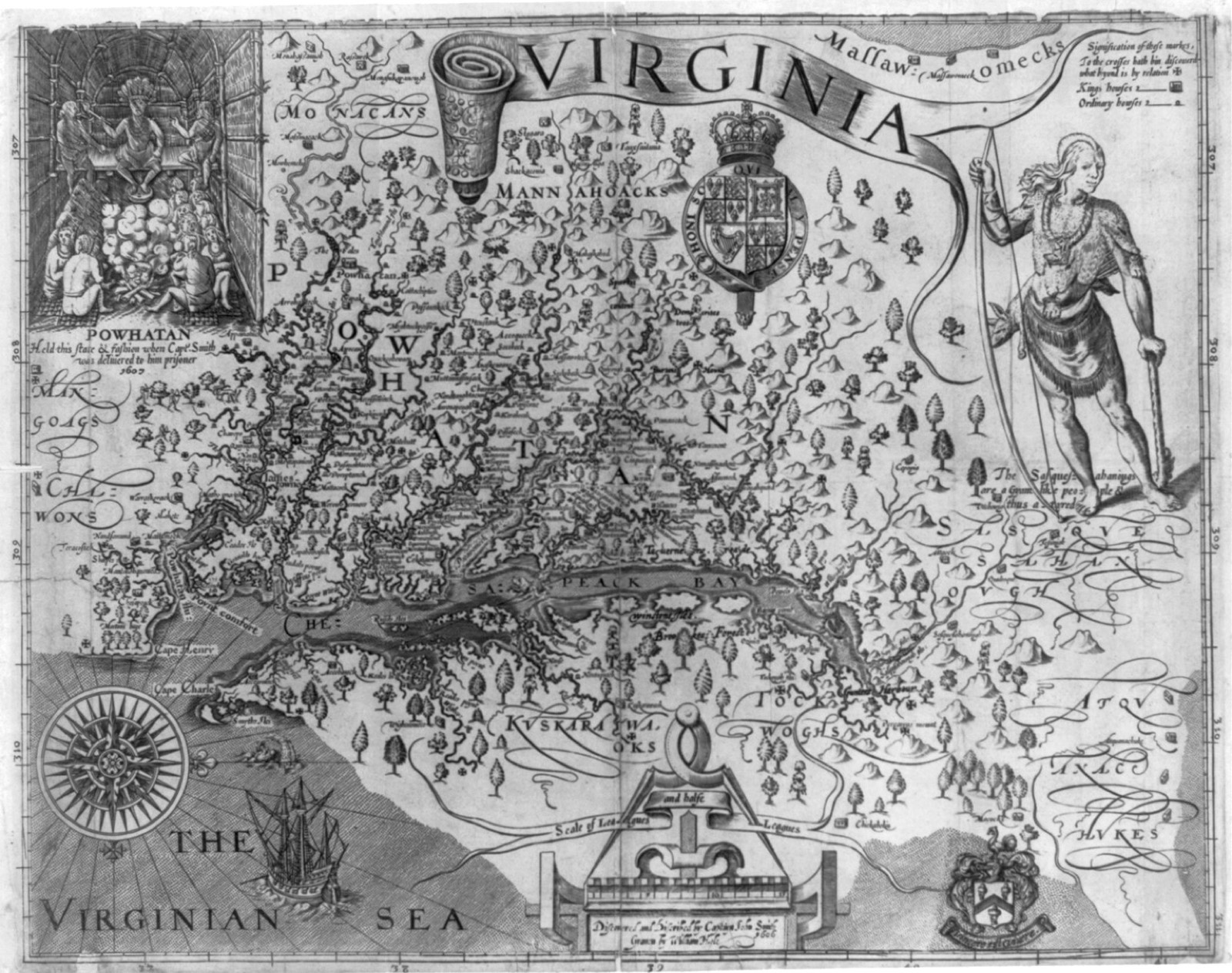 001 · 1607The Jamestown GambleInvestors funded a colony that nearly starved. The people inside the fort paid first.
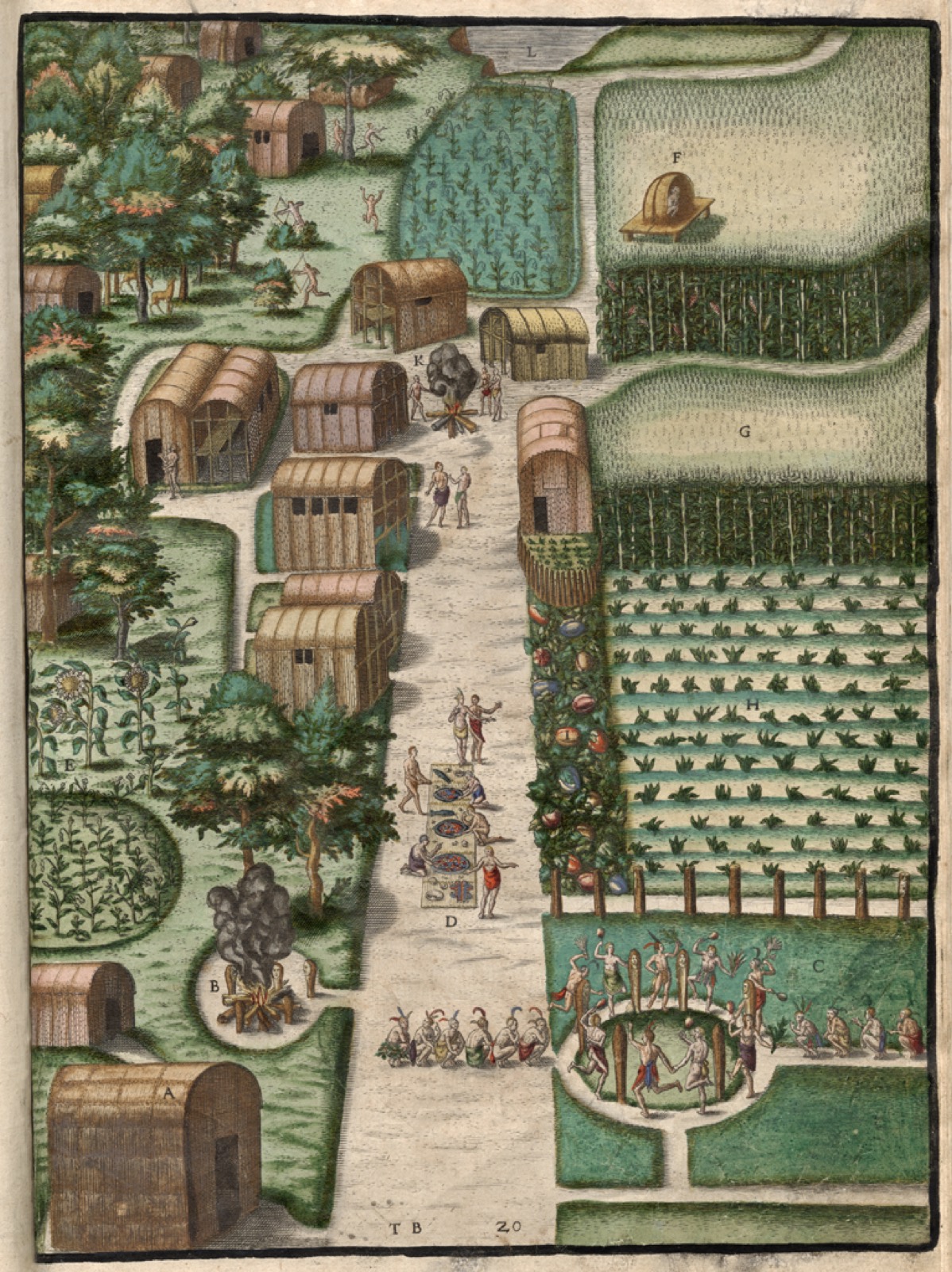 002 · 1609The Starving TimeAbout sixty people came out of a winter the company had overcrowded.
 003 · 1612The Stolen SeedRolfe’s tobacco found a London buyer. The theft legend does not.004 · 1616The Monoculture TrapOne crop paid the bills, then pushed food and safety off the land.005 · 1630The Nutrient VampireWorn-out fields became the reason to take the next tract.
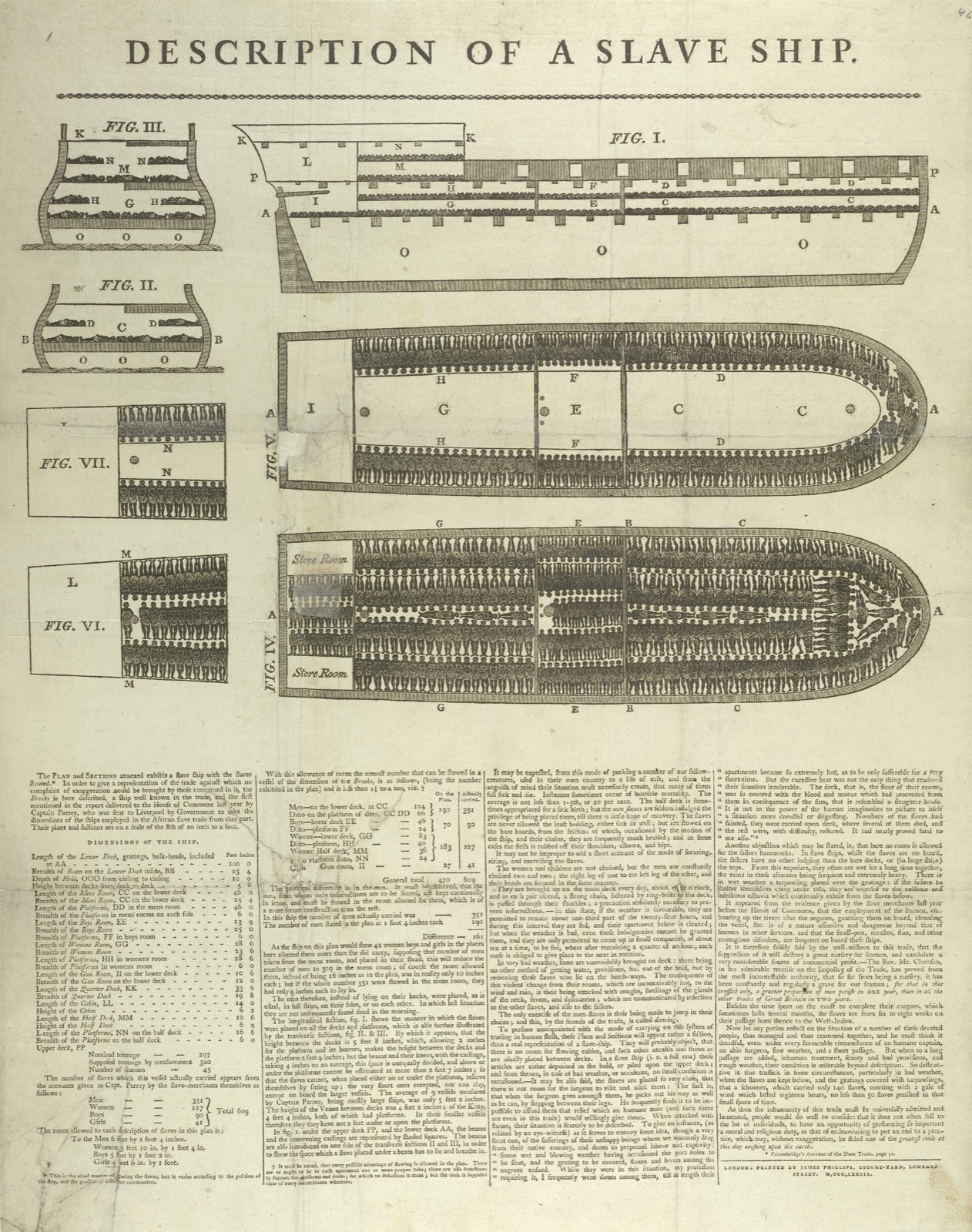 006 · 1650The Triangle That Built EverythingThe ships were messier than the textbook. The goods were not.007 · 1640The Leaf That Became MoneyVirginia made tobacco do the work of coin.008 · 1640The Plantation Balance SheetA plantation priced land, tools, and people on one set of books.
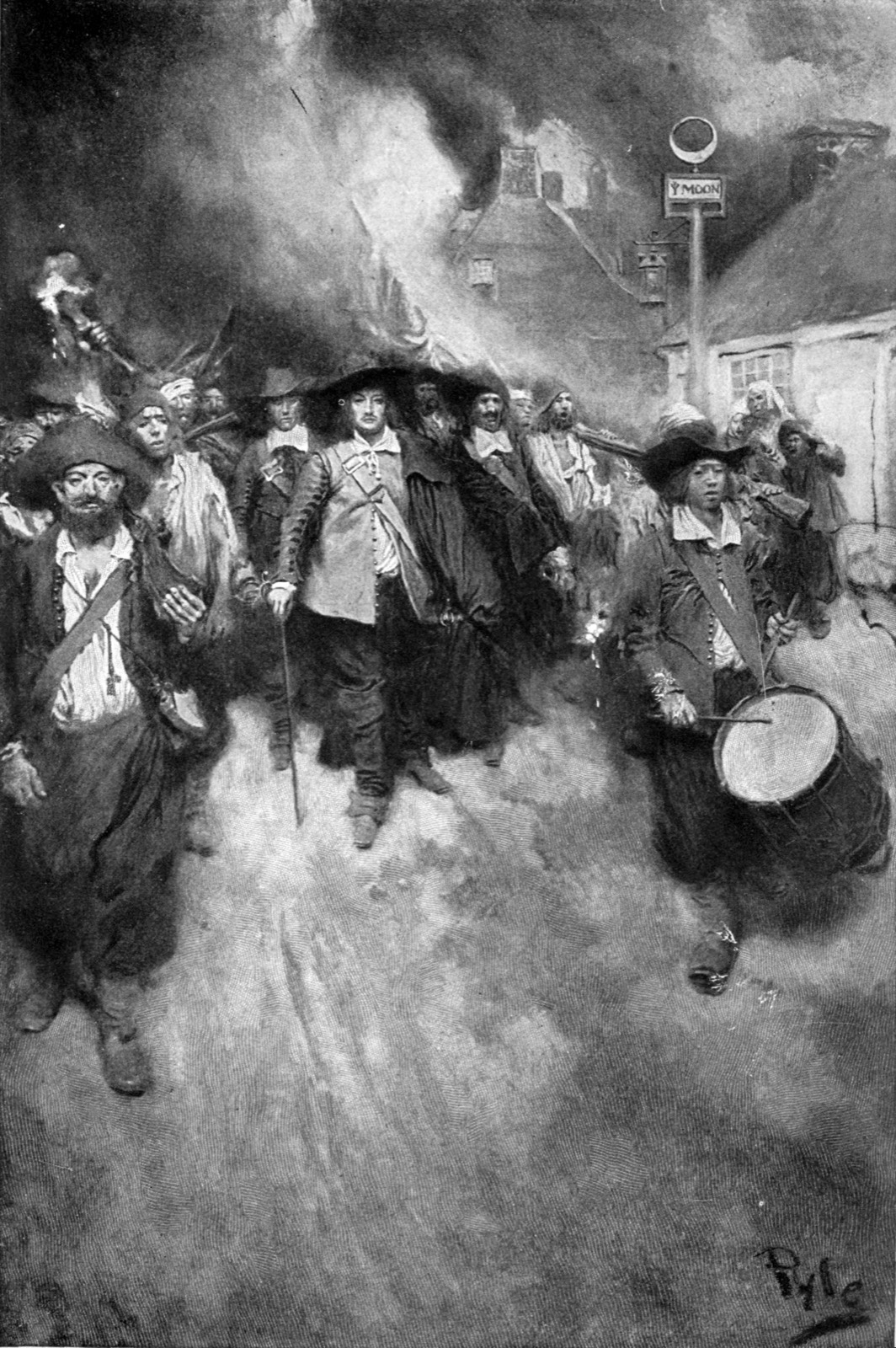 009 · 1676Bacon’s RebellionJamestown burned. The labor rules that followed were not an accident.
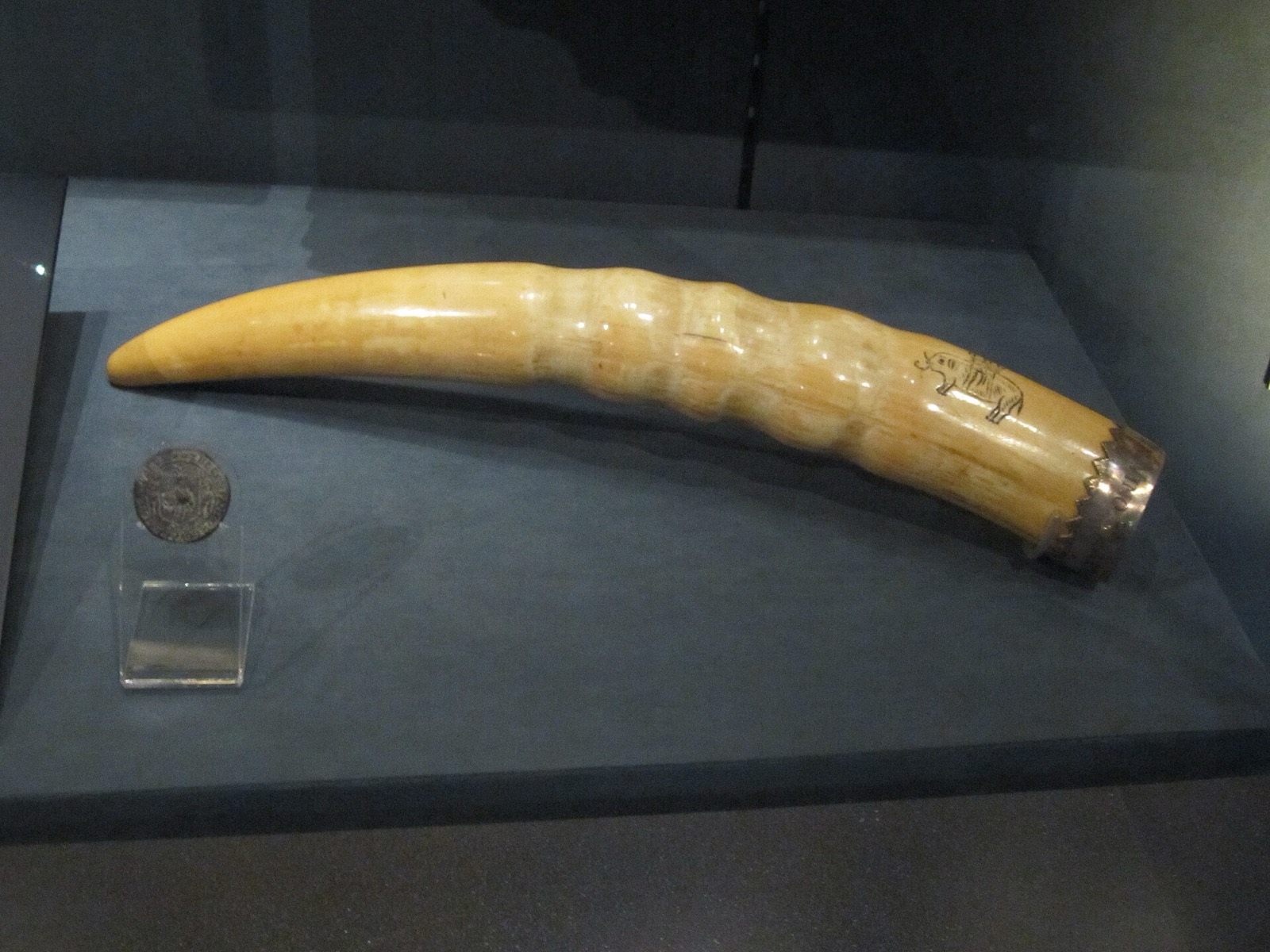 010 · 1672The First Slave Trade IPOA chartered company, with shareholders, held a monopoly that included the slave trade.011 · 1705The Architecture of BondageThe 1705 code gathered decades of rules and made slavery one legal system.012 · 1808The Market That the Ban CreatedBanning the ocean trade raised the value of the trade inside the country.
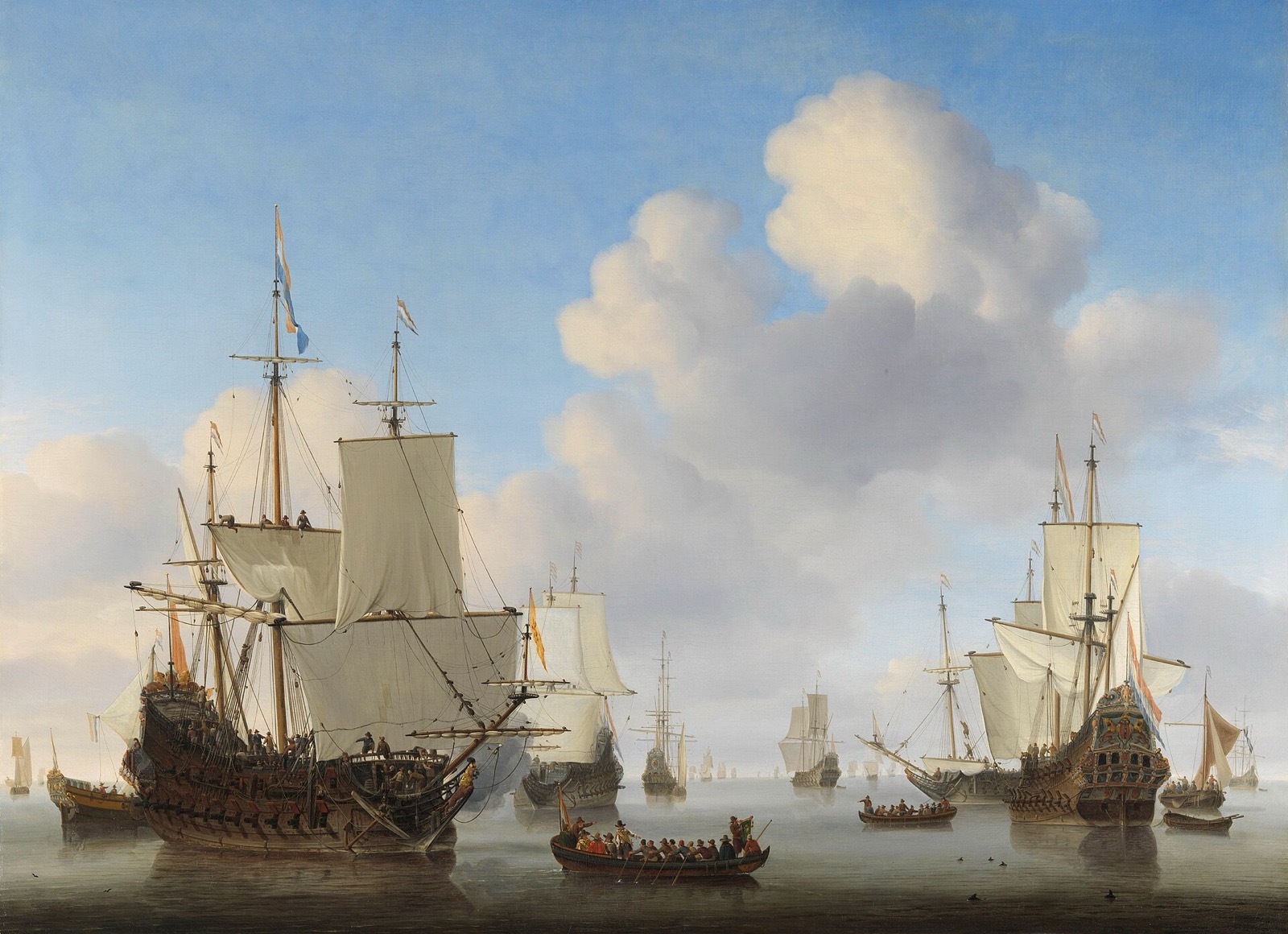 013 · 1651The Monopoly That BackfiredEngland tried to keep colonial trade in English ships. The colonies learned to sail around the rule.014 · 1700The Smuggling SuperhighwayWhen the legal route was the expensive one, the other route became a business.015 · 1733The Rum That Started a RevolutionA molasses tax nobody paid became a crisis when Britain cut it and collected it.016 · 1618Fifty Acres for a PassageWhoever paid a passage to Virginia received fifty acres, so a servant’s work became his master’s land.017 · 1619Labor Bought at Point ComfortVirginia traded food for African workers off a privateer because the colony needed labor and the ship needed supplies.018 · 1622The Attack Along the JamesOpechancanough’s forces killed hundreds of colonists, and the company answered with a war it could not afford.019 · 1624The King Takes the CompanyThe king took Virginia’s government away from the company that had held the charter, and private land titles stayed in place.020 · 1630The Charter Crossed the OceanThe Massachusetts Bay Company carried its charter to America, and the stockholders who went became the government.021 · 1634Maryland Belonged to One FamilyThe king gave Maryland to the Calvert family, and that family expected rent from the people who farmed it.022 · 1636The Town Decided Who Got LandIn New England a town, not a company in London, decided who received land and who could use the common.023 · 1640sSugar Replaces the Small FarmBarbados turned to sugar, and planters who could afford a mill and enslaved workers bought out the small farmers.024 · 1652A Colony Coins Its Own SilverMassachusetts minted its own silver coins because English money did not stay in the colony.025 · 1663Cargo Had to Pass Through EnglandFrom 1663, most European goods headed for the colonies had to be loaded in England first.026 · 1664England Takes New AmsterdamEngland seized the Dutch port of New Amsterdam, and it became New York.027 · 1664Colonies Were to Enrich EnglandEnglish policy cast the colonies as suppliers of raw goods and as customers for English manufactures.028 · 1673Collectors Come into the PortsParliament put customs collectors in colonial ports so cargo could not skip English taxes by way of a neighboring colony.029 · 1686One Governor and No AssemblyJames II folded New England into one government and set aside the assemblies that had voted the taxes.030 · 1690Paper for the SoldiersMassachusetts paid its soldiers with paper bills because it did not have the silver to pay them in coin.031 · 1696A Board to Watch the ColoniesIn 1696 England created a standing board and a stricter customs law to make the trade rules bind.032 · 1700Rice Builds the LowcountryRice grown by enslaved people in coastal swamps made a small group of South Carolina planters rich.033 · 1715A Frontier Trade CollapsesSouth Carolina’s trade in deerskins and Native captives collapsed in a war the traders’ conduct had helped bring on.034 · 1721London Left the Rules SlackFor a long stretch after 1721, British ministries left colonial trade laws on the books and put little effort into collecting them.035 · 1730The Slave Voyage as a BusinessA slave ship was a business that sold the people who survived the ocean crossing.036 · 1732A Craft That Could Not ExportColonial hatters could sell hats at home, and Parliament forbade them to export the hats.037 · 1740Parliament Kills a Farmers’ BankMassachusetts farmers opened a land bank to borrow on their acres, and Parliament shut it down.038 · 1748A Bounty for IndigoParliament paid a cash bounty on American indigo, and South Carolina planters added the dye crop beside rice.039 · 1749A Land Grant on the OhioVirginia gentlemen took a huge grant on the Ohio, and the fort they were required to build helped start a world war.040 · 1751Paper Could Not Pay Private DebtsParliament told New England that its new paper bills could not be forced on people as payment for private debts.041 · 1763The War Bill Comes DueBritain finished the Seven Years’ War deep in debt, and the ministry decided the colonies should help pay.042 · 1763A Line at the MountainsThe king drew a line along the Appalachians and closed the land west of it to colonial settlement.043 · 1764A Lower Duty That Was CollectedThe Sugar Act cut the duty on foreign molasses and then set up courts and paperwork so merchants would actually pay it.044 · 1765A Tax on Ordinary PaperThe Stamp Act taxed the paper of ordinary business, from a newspaper to a will, and demanded the tax in scarce coin.045 · 1767Duties That Paid the GovernorsTownshend taxed a list of imports and used the money to pay governors, so assemblies could not control them by holding back salaries.046 · 1768Merchants Stop Ordering British GoodsColonial merchants agreed to stop importing British goods, and manufacturers in Britain felt the loss.047 · 1769Cloth Made in the HouseHomespun was the extra work, mostly women’s, that let a boycott of British cloth go on.048 · 1773Cheaper Tea With the Duty Left OnThe Tea Act made East India Company tea cheaper and left the disputed duty on it.049 · 1774Boston’s Harbor Is ShutParliament closed Boston’s port until the town paid for the tea that had been destroyed.050 · 1775Money Printed Before Any TaxCongress printed paper money for the war before it had any power to tax that money back in.051 · 1781A Congress That Could Only AskUnder the Articles of Confederation, Congress could ask the states for money and could not tax anyone itself.052 · 1783The War Paper Changes HandsPeople who could not wait sold their war certificates for much less than the amount printed on them.053 · 1786Coin Taxes Close the CourtsMassachusetts demanded taxes in scarce coin, and farmers shut the courts that were taking their farms for debt.054 · 1787Congress Gains the Power to TaxThe Constitution let Congress tax on its own, so the federal government no longer had to beg the states for money.055 · 1790Old Certificates Honored at FaceHamilton honored the old war certificates for their full face amount, including paper speculators had bought cheap.056 · 1791A Bank for the Public DebtThe first Bank of the United States held the government’s money and gave the new federal bonds a working market.057 · 1791A Tax on the Whiskey BarrelThe government taxed whiskey, the form in which many western farmers turned grain into something they could haul and spend.058 · 1792Brokers Write a Trading RuleTwenty-four New York brokers agreed to deal in public securities with one another and to charge a set commission.059 · 1793The Gin Makes Upland Cotton PayWhitney’s gin made short-staple cotton fast to clean, so planters wanted more land and more enslaved labor to grow it.060 · 1803Fifteen Million for the RiverThe United States bought Louisiana from France for fifteen million dollars and gained control of the Mississippi’s mouth.061 · 1807Ships Ordered to Stay HomeJefferson’s embargo kept American ships from foreign ports, and American harbors felt it before Britain or France did.062 · 1811The National Bank Is Allowed to DieCongress refused to renew the first national bank, and the next year the country went to war without it.063 · 1812A War Paid in Shaky PaperThe War of 1812 was financed by hard-to-place loans and by Treasury notes, and in 1814 most banks stopped paying silver.064 · 1816A Bank to Even Out the MoneyThe Second Bank of the United States was chartered to hold federal cash and to make state banks honor their notes in coin.065 · 1816A Tariff to Shelter New MillsThe Tariff of 1816 taxed imported cloth and iron so mills built during the war would not be undersold by Britain.066 · 1817New York Digs a Water RoadNew York State borrowed money, dug a canal from the Hudson to Lake Erie, and made western grain cheap to deliver at the city.067 · 1819Cotton Falls and the Loans Are CalledIn 1819 the price of cotton broke and credit tightened, and people who had bought land with borrowed money lost it.068 · 1823Mills and Wages on the MerrimackBoston merchants built mills that spun and wove cotton in one building and hired farm daughters to run the machines for wages.069 · 1828A Tariff the Cotton States RejectedThe Tariff of 1828 raised duties so sharply that cotton planters called it a tax collected from their section for northern mills.070 · 1830Native Land Becomes Land for SaleThe Indian Removal Act swapped land west of the Mississippi for Native homelands, which the government could then survey and sell.071 · 1832Jackson Vetoes the Bank CharterJackson vetoed a new charter for the Second Bank, so the bank would die when its old term ran out.072 · 1833The Government’s Cash Leaves the BankJackson pulled federal deposits out of the Second Bank and parked them in selected state banks.073 · 1836The Surplus Goes Out to the StatesCongress ordered the federal surplus deposited with the states, which forced the Treasury to haul money from bank to bank.074 · 1836Land Offices Will Take Only CoinJackson ordered that public land be paid for in gold or silver, not in the bank notes that had been feeding the boom.075 · 1837The Banks Stop Paying SilverIn the spring of 1837 the land and cotton boom broke, and New York’s banks stopped redeeming notes in silver.076 · 1840The Hard Years That Would Not LiftA bank panic in 1837 left the country short of cash for years, and 1840 was still that slump.077 · 1841A Short Law for People Who Could Not PayFor two years a federal law let ruined debtors seek a discharge in court instead of sitting in jail for what they owed.078 · 1842The Duty Went Back UpIn 1842 Congress raised taxes on imported goods after years of scheduled cuts.079 · 1845Texas Came In as LandThe United States took in Texas as a slave state, and with it a huge land claim and a pile of old debts.080 · 1846A Tariff Written to Raise MoneyPolk’s tariff cut many import taxes and tried to collect a simpler share of each cargo’s value.081 · 1846The Line at Forty-NineBritain and the United States split the Oregon country on the forty-ninth parallel instead of fighting over it.082 · 1848The Land the War BoughtThe war with Mexico ended with the United States paying Mexico for a vast tract from the Rio Grande to the Pacific.083 · 1849The Gravel Paid in GoldGold found in California in 1848 pulled a rush of people west and poured new metal into the money supply.084 · 1850The Bargain Was About Property in PeopleThe Compromise of 1850 let California in as a free state and made it easier to seize people accused of being fugitive slaves.085 · 1850Land Laid Out Like a CheckerboardCongress began giving railroads huge strips of public land, in alternating squares, so the tracks would get built.086 · 1850Acres If You Stayed and PlowedIn Oregon a federal law gave large claims to white settlers who lived on the land and farmed it.087 · 1854A Strip Bought for a Southern TrackThe United States bought a strip of northern Mexico so a railroad could run west on a southern route.088 · 1854Congress Erased the Slavery LineThe Kansas-Nebraska Act let settlers vote on slavery in land where Congress had barred it for a generation.089 · 1857The Year the Banks Shut the WindowIn 1857 a major trust company failed, railroads wobbled, and banks stopped paying gold.090 · 1857The Court Called a Man PropertyThe Supreme Court said Black people were not citizens and that Congress could not ban slavery in the territories.091 · 1859The Well That Replaced the WhaleIn 1859 a drilled well in Pennsylvania produced oil in quantity, and kerosene began to push whale oil out of the lamp.092 · 1860They Bet the World Could Not Spare Their CottonSouthern leaders gambled that Europe needed their cotton so badly a new confederacy could not be shut out.093 · 1861The Tariff the War Grew Up OnDays before Lincoln took office, Congress raised import taxes and set the protective tariff the war would keep.094 · 1861A Navy Around the CottonLincoln blockaded Southern ports so the Confederacy could not freely sell cotton or buy arms.095 · 1862Paper the Treasury Called MoneyThe Union printed paper dollars that counted as legal money but could not be swapped at the Treasury for gold.096 · 1862The Union Taxed What People EarnedTo pay for the war, Congress put a tax on income and built an office to collect it.097 · 1862A Hundred and Sixty Acres, If You LastedThe Homestead Act offered 160 acres of public land to a household that would live on it and farm it.098 · 1862The Government Paid the Road WestCongress chartered a railroad to the Pacific and paid the builders in government bonds and public land.099 · 1863One Kind of Banknote, Backed by BondsCongress created national banks whose paper would rest on United States bonds, so the country could leave behind a jumble of state notes.100 · 1865The Bonds Ordinary People BoughtJay Cooke sold Union war bonds to ordinary households, and the federal debt became a fact of daily life.101 · 1865The Crop Replaced the ChainAfter emancipation, many freed families farmed land they did not own and paid the landlord with a share of the crop.102 · 1865The Law Said People Were Not PropertyThe Thirteenth Amendment abolished slavery, so a human being could no longer be carried as property on a ledger.103 · 1866Laws Written to Hold the Wage DownSouthern Black Codes tried to push freed people back onto plantations through vagrancy rules and forced contracts.104 · 1867A Northern Coast Bought from RussiaThe United States bought Alaska from Russia, a deal many people mocked until the territory’s resources were plain.105 · 1868Citizenship Written Into the ConstitutionThe Fourteenth Amendment made freed people citizens and promised equal protection, and later courts used parts of it to shield corporations.106 · 1869The Rails Met in UtahIn 1869 the first transcontinental railroad was finished, and the trip west stopped being only a wagon journey.107 · 1869Two Men Tried to Corner GoldJay Gould and Jim Fisk tried to corner New York’s gold market, and the corner collapsed on a Friday in September 1869.108 · 1870One Company Set Out to Own the OilRockefeller’s Standard Oil began in Ohio and set out to control refining, shipping, and the price of kerosene.109 · 1872The Construction Company That Paid CongressInsiders of the Union Pacific used a construction firm they owned to overpay themselves, then used shares to quiet Congress.110 · 1873Silver Lost Its Full Place at the MintIn 1873 Congress dropped the standard silver dollar from the coin list, and later debtors called that the Crime of 1873.111 · 1873The Railroad Banker Broke the MarketJay Cooke’s bank failed when it could not sell bonds for a northern railroad, and a long depression followed.112 · 1875A Date Set to Return to GoldCongress promised that on the first day of 1879, paper dollars could again be redeemed in gold coin.113 · 1875The Mill That Made Steel CheapAndrew Carnegie built steel works that drove down the cost of a ton and undercut rivals who could not keep up.114 · 1877The Strike That Stopped the TrainsIn 1877 railroad workers walked out against a wage cut, and the strike spread until federal troops broke it.115 · 1877A State Could Cap the Grain ElevatorThe Supreme Court said Illinois could limit what grain elevators charged, because that business was tied to the public.116 · 1878A Small, Forced Purchase of SilverCongress ordered the Treasury to buy a limited amount of silver each month and coin it, a compromise that satisfied neither side.117 · 1882The Law Closed the Gate on Chinese WorkersCongress barred Chinese laborers from coming in, a decision about wages as much as about race.118 · 1886The State Lost the Long-Haul RateThe Supreme Court said a state could not set railroad rates on a trip that crossed a state line.119 · 1887A Federal Commission for the RailroadsCongress created the Interstate Commerce Commission to watch railroad rates, then gave it too little power to do the job.120 · 1890A Law Against Combinations That Rigged TradeThe Sherman Act made monopolies and contracts that restrained trade a federal offense.121 · 1890The Treasury Had to Buy the SilverIn 1890 Congress ordered a much larger monthly purchase of silver, and the nation’s gold reserve later paid for that promise.122 · 1890The High Wall Around ImportsThe McKinley Tariff raised import duties to protect industry and angered households that bought the taxed goods.123 · 1892The Lockout on the MonongahelaAt Carnegie’s Homestead mill, a lockout and a gun battle with private guards broke the union.124 · 1893The Year the Gold Reserve ShookIn 1893 fear for the Treasury’s gold, plus railroad failures, dropped the country into a deep depression.125 · 1894The Company Town and the BoycottPullman workers struck when wages were cut in a town the company owned, and a rail boycott brought federal troops.126 · 1895The Court Struck Down the Income TaxIn 1895 the Supreme Court threw out a federal income tax, and it took a constitutional amendment before Congress could lay one again.127 · 1896A Vote on Which Metal Would Be MoneyThe 1896 election was a fight over whether the dollar would stay on gold or be opened to free coinage of silver.128 · 1900The Dollar Written Down as a Weight of GoldIn 1900 Congress put the gold standard into statute and named the Treasury’s duty to keep paper redeemable in gold.129 · 1901The First Company Capitalized Past a BillionMorgan bought Carnegie out and folded the major steel firms into the United States Steel Corporation.130 · 1906The Rate Commission Finally Got TeethThe Hepburn Act let the Interstate Commerce Commission set a maximum railroad rate instead of only complaining about one.131 · 1907A Private Banker Had to Stop the RunThe Panic of 1907 began when New York trust companies tottered, and Morgan, not a central bank, organized the rescue.132 · 1909A Revision That Mostly Kept the WallThe Payne-Aldrich tariff promised lower duties and, on the whole, left them high, and the fight pushed an income tax closer.133 · 1911The Court Ordered Standard Oil Split UpThe Supreme Court broke Standard Oil apart and, in the same breath, said only unreasonable restraints of trade were illegal.134 · 1913The Income Tax Came Back by AmendmentThe Sixteenth Amendment let Congress tax incomes without dividing the tax among the states, and Congress quickly used that power.135 · 1913A Central Bank, Built in Twelve PartsThe Federal Reserve Act created a central banking system so the next panic would not depend on one private banker.136 · 1914The Exchange Goes DarkWhen war started in Europe, the New York Stock Exchange closed so Europeans could not dump American shares and take the gold home.137 · 1915Orders from a War Not Ours YetBritain and France bought American steel, grain, and munitions, and borrowed in New York to pay, so factory towns boomed while the country was still officially neutral.138 · 1917The Bond in the Kitchen DrawerThe Treasury sold Liberty Bonds in small denominations so wage households, and not only bankers, would lend the money that fought the war.139 · 1917The War GroceryFood and fuel rose faster than many wages, and Washington answered with legal power over supply and with appeals to eat less.140 · 1917Who the War Tax ReachedThe War Revenue Act of 1917 raised taxes on high incomes and on profits swollen by the war, and it still left most wage households outside the income tax.141 · 1916The Wage Up NorthBlack southerners left cotton and Jim Crow for northern factory wages the war had made real.142 · 1919The Raise That Bought LessAfter the fighting stopped, prices kept climbing, and a wave of strikes tried to hold the wartime wage.143 · 1920The Crop Stopped Paying the MortgageFarmers who had borrowed to expand during the war watched crop prices collapse in 1920, and the rural depression began years before the stock market broke.144 · 1921The Sharp DropIn 1920 and 1921 the Federal Reserve tightened credit to stop inflation, and prices and jobs fell fast and then, in the cities, came back.145 · 1922The Tariff WallThe Tariff Act of 1922 raised duties on a wide range of imports, which sheltered some American factories and raised the cost of what households and farmers bought.146 · 1925Paying for It on TimeFinance companies and stores spread the habit of taking a car, a radio, or a parlor set home after a down payment and paying the rest by the week or the month.147 · 1926Lots Nobody Had SeenIn the mid-1920s a Florida land boom sold building lots, often on small payments, to buyers who had never stood on the ground.148 · 1928Bought on MarginBy the late 1920s a buyer could control far more stock than the cash in hand would purchase, because the broker lent the rest and held the shares as collateral.149 · 1929Money That Could Be CalledBrokers borrowed the money they lent to margin customers from banks and from companies that wanted the high rate on loans they could take back on short notice.150 · 1929The Week the Prices BrokeIn the last week of October 1929, stock prices broke, margin calls went out, and brokers sold the shares of customers who could not pay.151 · 1930The Tariff Named for Two MenIn June 1930 Congress raised import duties on a very long list of goods, and trading partners answered with tariffs of their own.152 · 1930No Check When the Job EndedWhen orders were canceled in 1930, a lost wage meant living on savings, family, a grocer’s book, or local charity, because there was no federal unemployment insurance.153 · 1931The Line at the TellerIn a bank run, depositors who fear they will be paid last demand cash the bank cannot produce on the spot, because the deposits were lent out.154 · 1932The Certificate That Would Not CashWorld War veterans held certificates promising a bonus, and in 1932 many of them were broke enough to go to Washington and ask for the money early.155 · 1932Help for the InstitutionThe Reconstruction Finance Corporation, created in 1932, lent public money to banks, railroads, and other firms so they would not fail, and it did not mail checks to unemployed households.156 · 1933The Week the Banks Went QuietIn March 1933 every bank was closed by presidential order, and a household could not withdraw its own money until officials decided which banks could reopen.157 · 1933The Insured DepositThe Banking Act of 1933 created federal insurance on bank deposits so a household would not have to outrun its neighbors to the teller.158 · 1933The Wall inside the BankThe same Banking Act of 1933 separated the bank that holds deposits from the business of selling new corporate stocks and bonds to the public.159 · 1933Turning In the GoldIn 1933 the government required Americans to turn in most gold coin, gold bullion, and gold certificates and take paper dollars instead.160 · 1933The Check for Not PlantingThe Agricultural Adjustment Act paid landowners to produce less, in order to lift prices, and the tenant who had worked the acre often did not get the check.161 · 1933The Wage Sent HomeThe Civilian Conservation Corps put young unemployed men into camps to do conservation work, and most of the small wage was sent to their families.162 · 1933The Refinanced HouseThe Home Owners’ Loan Corporation took over troubled home mortgages and rewrote them as longer loans a household could pay month by month, and it mapped neighborhoods by risk.163 · 1934What the Seller Had to TellThe securities laws of 1933 and 1934 required companies selling shares to the public to disclose the facts, and created a commission to police the exchanges.164 · 1934The Mortgage a Lender Would KeepThe National Housing Act of 1934 insured home mortgages so lenders would write longer loans with smaller down payments.165 · 1935The Tax That Was Also a PromiseThe Social Security Act of 1935 taxed wages to fund old-age insurance and pushed states to set up unemployment insurance, and it left out large groups of the poorest workers.166 · 1935The Right to BargainThe National Labor Relations Act of 1935 gave covered workers the right to organize and required employers to bargain with a union the employees had chosen.167 · 1935A Job on the ProjectThe Works Progress Administration hired unemployed people onto public projects and paid a wage meant to be livable and still below the local private wage.168 · 1936The Line to the FarmThe Rural Electrification Act of 1936 lent money so cooperatives could string power lines to farms that private utilities had skipped.169 · 1936The Bonus, CashedIn 1936 Congress paid the veterans’ bonus over a presidential veto, and households that had held the paper since the 1920s finally received money they could spend.170 · 1937The Recovery BrokeIn 1937 an economy that had been climbing dropped again after Washington tightened its budget and the Federal Reserve raised the reserves banks had to hold.171 · 1938The Floor under the WageThe Fair Labor Standards Act of 1938 set a federal minimum wage, required extra pay after forty hours in a week, and restricted child labor on goods made for interstate commerce.172 · 1940The Defense PaycheckBefore the United States entered the war, defense orders and the first peacetime draft were already deciding who had a wage and who had to leave home.173 · 1942The Coupon BookWartime price ceilings and ration books limited what a household could buy, so money alone no longer decided who got sugar, meat, gasoline, or shoes.174 · 1942The Second Move for a WageWar plants pulled another great migration, including Black workers into industrial jobs that had been closed, and housing in the boom cities did not keep up.175 · 1943The Tax Taken on PaydayThe Current Tax Payment Act of 1943 put the income tax on a pay-as-you-go basis, so employers withheld it from wages instead of leaving a lump sum for the next year.176 · 1944The Bond You Were Asked Not to SpendSeries E war bonds were sold in small amounts, often by payroll deduction, so households would save dollars that rationing would not let them spend.177 · 1944The Bill for Coming HomeThe Servicemen’s Readjustment Act of 1944 offered veterans tuition, a stretch of unemployment pay while they looked for work, and a government-backed home loan.178 · 1944The Dollar at the CenterAt Bretton Woods in 1944, the allied governments agreed to peg currencies to the dollar and to create a fund and a bank for the rebuilding of trade.179 · 1946When the Ceilings Came OffWhen wartime price controls came off in 1946, households that had saved because there was little to buy met a sharp rise in prices, especially for food.180 · 1946A National Aim, Not a JobThe Employment Act of 1946 said the federal government should promote maximum employment, production, and purchasing power, and it gave no person a right to be hired.181 · 1947The House and the Monthly NoteOn Long Island in 1947, Levitt and Sons began selling mass-built houses on long mortgages a wage could carry, and the early deeds kept Black buyers out.182 · 1947Narrower Rules for the UnionThe Labor Management Relations Act of 1947, passed over President Truman’s veto, narrowed the Wagner Act, banned the closed shop, and let states outlaw compulsory union membership.183 · 1948Customers Who Could Buy AgainThe Marshall Plan sent American money and goods to Western Europe so those countries could rebuild and buy, and American taxpayers funded the customers.184 · 1950The Contract That Included the DoctorThe 1950 contract between General Motors and the auto workers tied wages to prices and to productivity and added pensions and health insurance, and other large firms copied the pattern.185 · 1950Buying Before It DisappearedWhen the Korean War began in 1950, households that remembered rationing rushed to buy, and prices rose before controls came back.186 · 1951The Peg Comes OffIn March 1951 the Treasury and the Federal Reserve agreed that the central bank would stop pegging the price of government bonds, so interest rates could rise against inflation.187 · 1954A Layoff That Came with a CheckThe recession of 1953 and 1954 idled workers, and unemployment insurance, which had not existed in 1930, replaced part of the wage for covered people for a limited number of weeks.188 · 1956The Road and the Tax in the GallonThe Federal-Aid Highway Act of 1956 started the Interstate system and fed a trust fund with federal fuel taxes, so drivers paid for the concrete at the pump.189 · 1956Paying Acres to RestThe Agricultural Act of 1956 paid farmers to idle land, while smaller farm households kept leaving for town wages the crop price would no longer support.190 · 1958A Loan to Go to CollegeThe National Defense Education Act of 1958 offered federal loans for college students and aid for science, math, and language teaching, in answer to the Soviet satellite.191 · 1959The Mill Goes QuietIn 1959 the steelworkers struck the major producers from summer into autumn, and households that lived on the mill wage went months without it.192 · 1960Help That Depended on the StateThe 1960 amendments to Social Security offered federal matching money so states could help older people who were not on the poorest relief and still could not pay a hospital bill, and many states did little.193 · 1961When the Weeks Ran OutThe recession of 1960 and 1961 raised unemployment, and a covered worker’s insurance again lasted only a set number of weeks.194 · 1964The Smaller WithholdingThe Revenue Act of 1964 cut federal income tax rates on households and on corporations, and wage earners who owed the tax saw it as more money in the paycheck.195 · 1965The Hospital Bill and the HouseholdThe 1965 Social Security amendments created Medicare for older people and Medicaid for certain people with low incomes, and they moved a serious medical bill off the savings account.196 · 1966Guns and ButterWashington paid for a war and a new safety net at the same time, and did not raise taxes to match.197 · 1968Two Prices for One OunceOfficial gold stayed at $35 for governments, and everyone else got a market price.198 · 1968The Tax Came LateA 10 percent tax surcharge arrived after prices were already rising.199 · 1970The Slump That Did Not Cool PricesThe economy shrank and prices still rose.200 · 1971Gold Starts to LeaveForeign governments asked to trade dollars for American gold, and the vault was the promise.201 · 1971The Window ClosesOn August 15, 1971, Nixon ended the dollar's convertibility into gold.202 · 1973The Dollar FloatsBy 1973 the major currencies stopped pretending they had a fixed price against the dollar.203 · 1973The EmbargoIn 1973 oil producers cut off supply and the price of a barrel roughly quadrupled.204 · 1974Prices Up, Jobs DownThe country got a recession and rising prices together, and people named it stagflation.205 · 1975When New York Could Not PayNew York City could not roll its debts, and the question became who would cover the city.206 · 1977Two Orders at OnceCongress told the Federal Reserve to seek jobs and stable prices at the same time.207 · 1979Volcker's New RulePaul Volcker let interest rates jump in order to stop inflation.208 · 1980The Price of a LoanBy 1980 and 1981, short-term interest rates were near 20 percent.209 · 1981The CutReagan's 1981 tax law cut income tax rates, including the top rate from 70 percent to 50 percent.210 · 1982The Recession That Did the JobA deep recession in 1981 and 1982 brought inflation down, and unemployment went above 10 percent.211 · 1982Mexico Cannot PayIn August 1982 Mexico told its lenders it could not pay, and a decade of debt workouts began.212 · 1982The ThriftsSavings and loans were trapped in old mortgages, and Congress let them take new risks.213 · 1985Five Countries Push the DollarAt the Plaza Hotel in 1985, five governments agreed to push the dollar down.214 · 1987Black MondayOn October 19, 1987, the stock market fell about 22 percent in one day.215 · 1989The CleanupIn 1989 Congress created an agency to close failed savings and loans, and the public paid.216 · 1989The Wall FallsIn November 1989 the Berlin Wall fell, and a closed set of economies started to open.217 · 1990A Recovery Without the JobsThe recession of 1990 and 1991 ended on the charts before it ended for workers.218 · 1993Taxes Go UpClinton's 1993 budget raised income taxes to attack the deficit.219 · 1994The Shop Floor Crosses the BorderNAFTA, in force in 1994, tied the United States, Canada, and Mexico into one production system.220 · 1995The PesoMexico's currency broke in December 1994, and the United States helped arrange a rescue.221 · 1996A Clock on the CheckThe 1996 welfare law ended the open-ended cash program and put time limits and work rules in its place.222 · 1996The BoomIn the mid-1990s a long expansion, falling unemployment, and a roaring stock market started to feel like a new normal.223 · 1997Asia Sells Its CurrenciesIn 1997 Asian currencies broke, and the panic moved from country to country.224 · 1998The Fund That Had to Be CaughtIn 1998 a private hedge fund was so tied into banks that the New York Fed gathered a rescue.225 · 1999The RepealIn 1999 Congress tore down the legal wall between ordinary banks and investment banks.226 · 2000Story StocksThe dot-com market peaked in 2000 and then gave back the boom.227 · 2001The Week the Markets ClosedA recession was already underway when the September 11 attacks shut markets, planes, and insurers.228 · 2001China Comes InChina joined the World Trade Organization in December 2001 and became the workshop in everyone else's price.229 · 2003Lower Taxes, Open WarsTax cuts in 2001 and 2003 arrived while the United States was paying for wars.230 · 2005The House as a BankIn the mid-2000s a house became a way to borrow, and Wall Street turned the mortgages into bonds.231 · 2006The TopAround 2006, American house prices stopped rising.232 · 2007When Lending HesitatedIn August 2007 banks started to doubt one another's mortgage paper, and credit hesitated.233 · 2008Lehman MondayOn September 15, 2008, Lehman Brothers filed for bankruptcy and the financial system seized.234 · 2008The Rescue AuthorityIn October 2008 Congress authorized up to $700 billion to stop a collapse of the financial system.235 · 2008ZeroIn December 2008 the Federal Reserve put its policy rate at 0 to 0.25 percent.236 · 2009The CarmakersGeneral Motors and Chrysler went through bankruptcy in 2009 with the federal government in the deal.237 · 2010After the FireDodd-Frank, in 2010, was the attempt to write rules before the next financial fire.238 · 2015Cheap MoneyFrom late 2008 until December 2015, the policy rate sat near zero and asset prices did the climbing.239 · 2017Twenty-One PercentThe 2017 tax law cut the corporate tax rate from 35 percent to 21 percent.240 · 2018The Tariffs on ChinaIn 2018 the United States put tariffs on Chinese goods, and China answered with tariffs on American farms.241 · 2020Stay HomeIn March 2020 the pandemic shut businesses, and jobs disappeared faster than any modern report had recorded.242 · 2020The Big Relief BillThe CARES Act, signed March 27, 2020, was a relief law of more than $2 trillion.243 · 2022The PricesIn 2021 and 2022 prices rose fast enough to become the main economic fact in the country.244 · 2022The ClimbIn 2022 the Federal Reserve started a hiking cycle, lifting its policy rate off the pandemic floor in sharp steps.245 · 2023A Bank RunRegulators seized Silicon Valley Bank in March 2023 after depositors ran and the bank's bonds could not be sold without losses.246 · 2026The Court and the TariffOn February 20, 2026, the Supreme Court said an emergency economic law does not authorize tariffs, by a vote of 6 to 3, and it did not order refunds.247 · 2026From Seventy-Two Toward One TwentyThe Iran war began on February 28, 2026, and Brent oil went from about $72 a barrel to near $120 in March.248 · 2026The Quarter PointOn September 16, 2026, the Federal Reserve raised its funds rate by a quarter point, to 3.75 to 4 percent, under Chair Kevin Warsh.249 · 2026Twenty-Nine Thousand JobsOn October 2, 2026, the Labor Department said September payrolls rose by 29,000, unemployment was 4.2 percent, and wages were up 3 percent from a year earlier.250 · 2026What a Child InheritsA child born in 2026 inherits a dollar that is not gold, a housing market that runs on debt, and prices that a war, a tariff fight, and the Federal Reserve can all move.