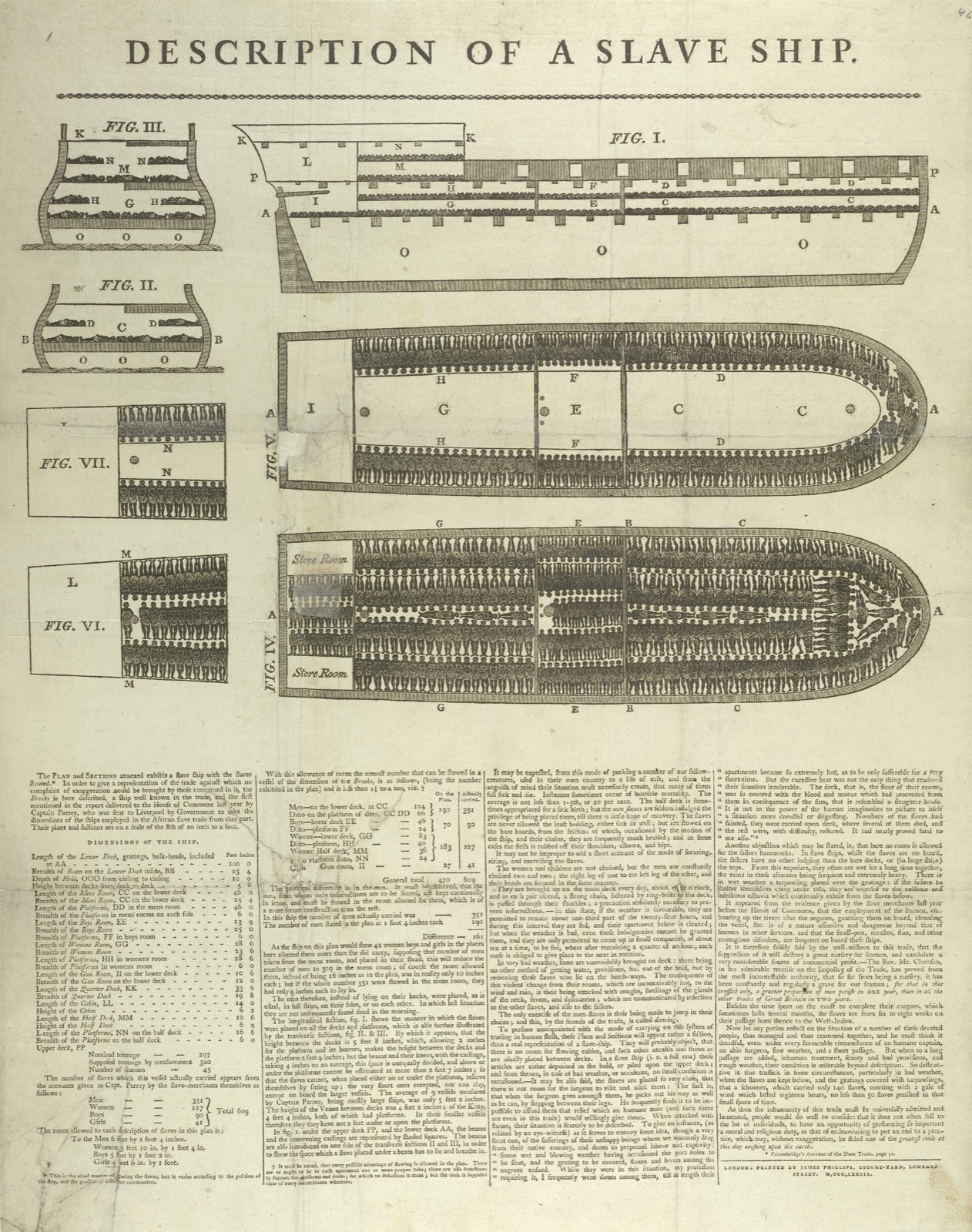
Diagram of the British slave ship Brookes, published in 1788. Public domain, British Library.
England seized the Dutch port of New Amsterdam, and it became New York.
A Dutch family that stayed kept its property under the surrender terms and now answered to English rules.
A Hudson Valley farmer still sent grain and skins downriver, but the customs and the governor were now the duke’s.
The Duke of York received the colony as private property, and merchants who already knew the harbor kept trading under a new flag.
In 1664 Charles II granted his brother James the region the Dutch held, and Richard Nicolls took New Amsterdam with a fleet and without a real battle.
The articles of surrender let Dutch residents keep their property.
England had acquired a working port, a fur route up the Hudson, and a proprietor who meant to profit from both.
Articles of Capitulation at New Amsterdam, 27 August 1664