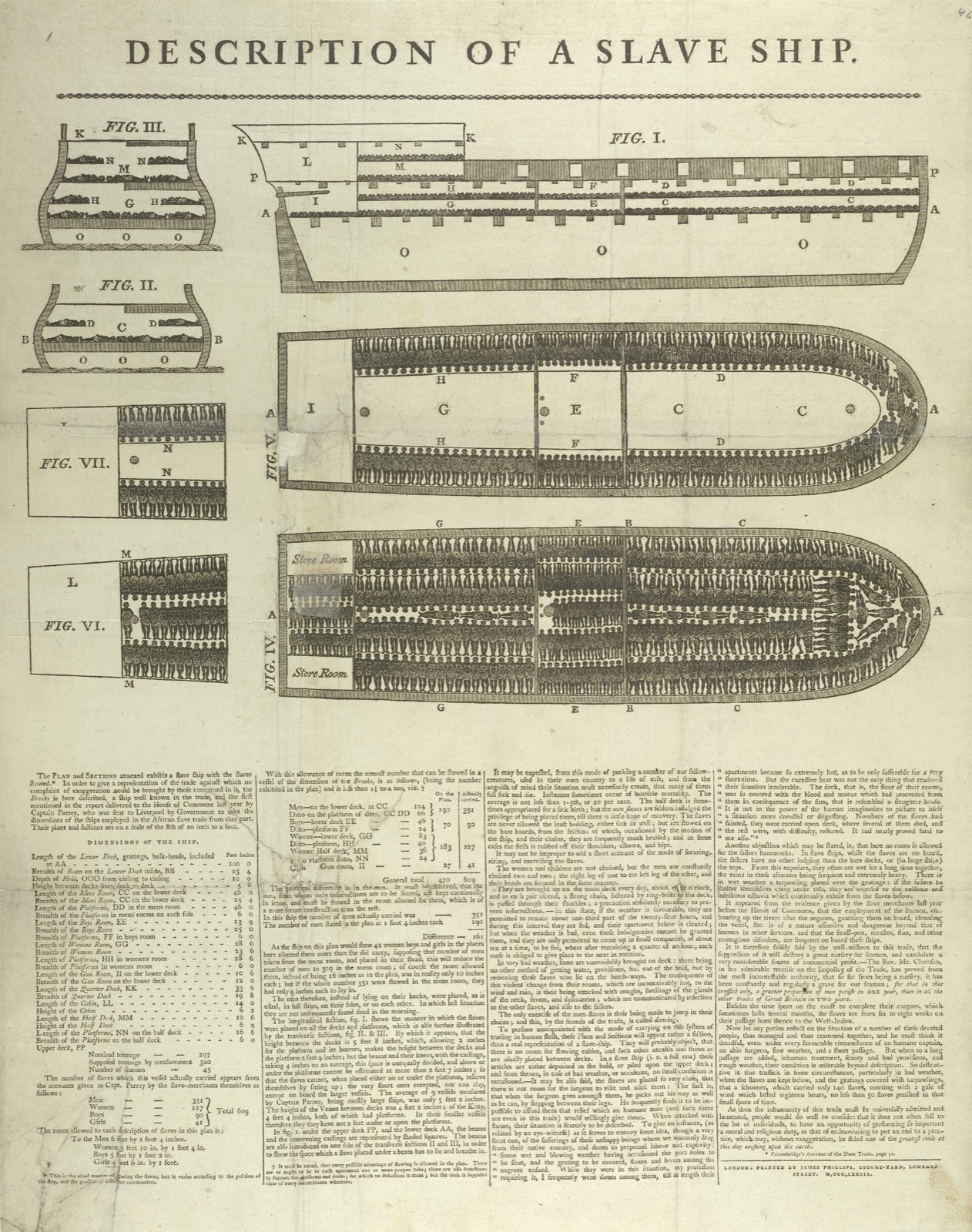
Diagram of the British slave ship Brookes, published in 1788. Public domain, British Library.
Jackson pulled federal deposits out of the Second Bank and parked them in selected state banks.
A borrower might find local credit suddenly tight or suddenly easy, according to whether his bank was cut off or chosen.
A merchant who had used the national bank’s loans met a sharp squeeze in 1834, when that bank cut credit to fight the removal.
Friends of the administration who ran the chosen banks gained the public money, and Nicholas Biddle still had enough power to contract loans in reply.
Jackson ordered the Treasury to stop depositing federal revenue in the Second Bank.
William Duane, the secretary, refused and was dismissed, and Roger Taney shifted the deposits into selected state banks in the fall of 1833.
Biddle then cut the Bank’s lending, credit tightened hard in 1834, and the state banks holding federal cash had more to lend on land and cotton.
Andrew Jackson, paper read to the cabinet, 18 September 1833; Bray Hammond, Banks and Politics in America (1957)