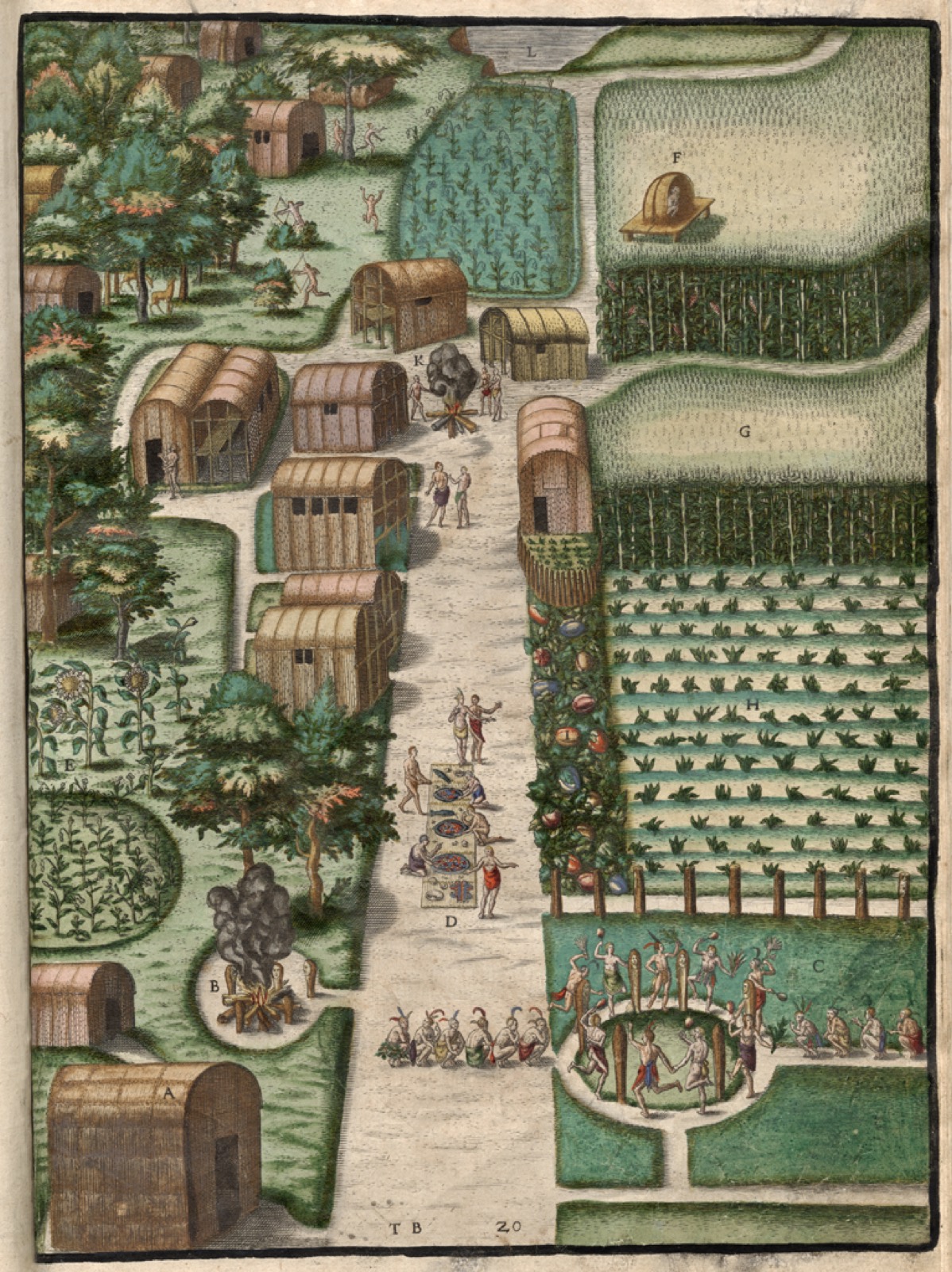
Theodor de Bry’s 1590 engraving of Secoton, from John White’s watercolors. Public domain.
For two years a federal law let ruined debtors seek a discharge in court instead of sitting in jail for what they owed.
A laborer who could not pay the store or the landlord had a brief chance at a legal fresh start.
A farmer or shop owner buried in notes could file and try to keep working instead of hiding from the sheriff.
Creditors who had lent into the boom of the 1830s lost claims they had expected the courts to enforce.
The Bankruptcy Act of 1841 let a debtor, not only a creditor, petition a federal court for relief.
It was widely used and hated by many lenders.
Congress repealed it in 1843.
Bankruptcy Act of 1841, 5 Stat. 440; Edward J. Balleisen, Navigating Failure (2001)