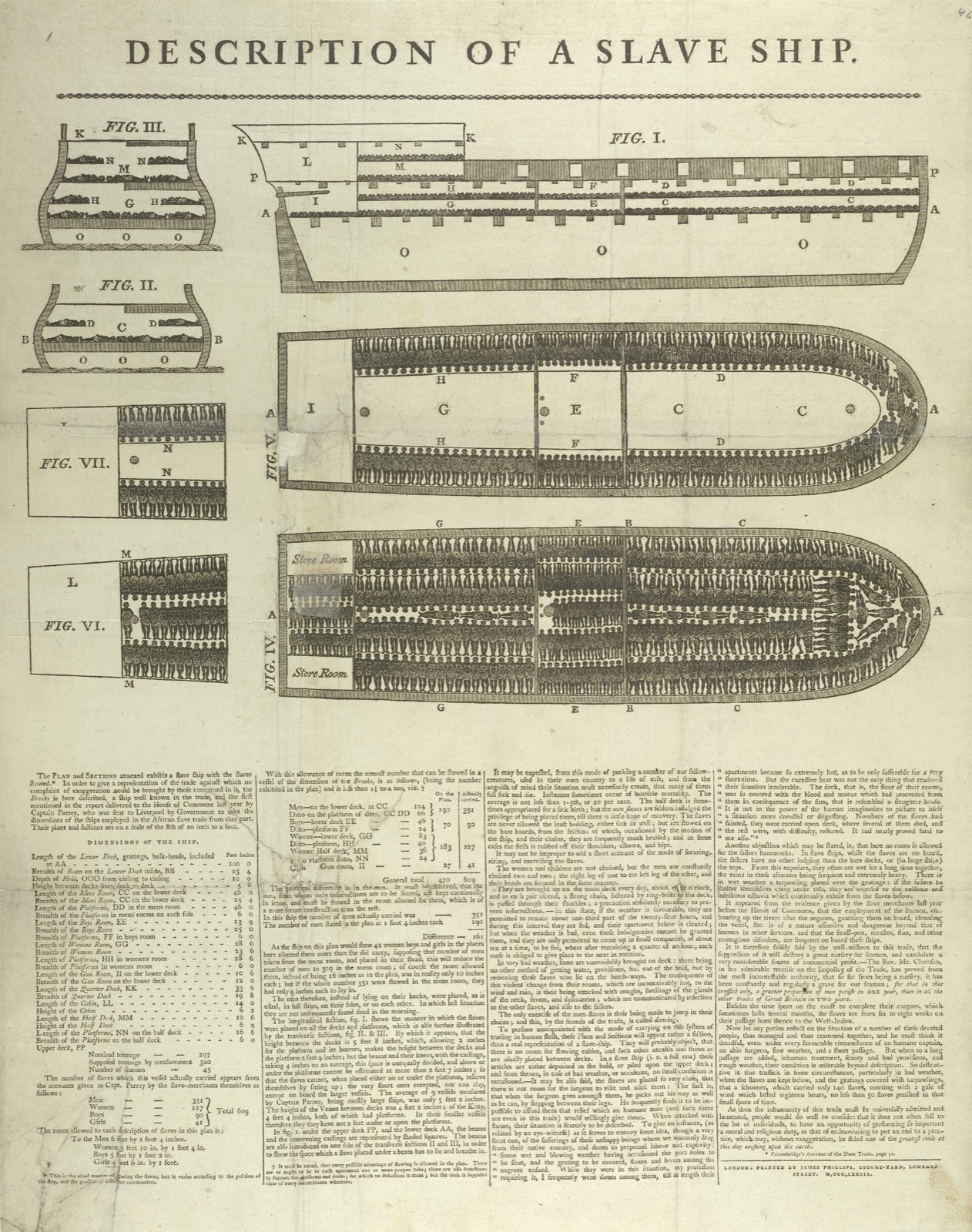
Diagram of the British slave ship Brookes, published in 1788. Public domain, British Library.
Days before Lincoln took office, Congress raised import taxes and set the protective tariff the war would keep.
A household buying imported cloth, iron, or sugar paid the higher duty inside the price.
A small mill that competed with foreign goods gained shelter, and a workshop that needed imported materials paid more for them.
Ironmasters, wool growers, and Pennsylvania manufacturers recovered the protection they had lost under the low tariff of 1857.
The Morrill Tariff, signed on March 2, 1861, replaced the Tariff of 1857 with higher rates and more specific duties.
Justin Morrill of Vermont wrote it to protect industry, not as a war tax, and southern members had already left Congress.
Later wartime tariffs stacked more increases on that base.
Morrill Tariff Act, 12 Stat. 178 (1861); Taussig, The Tariff History of the United States