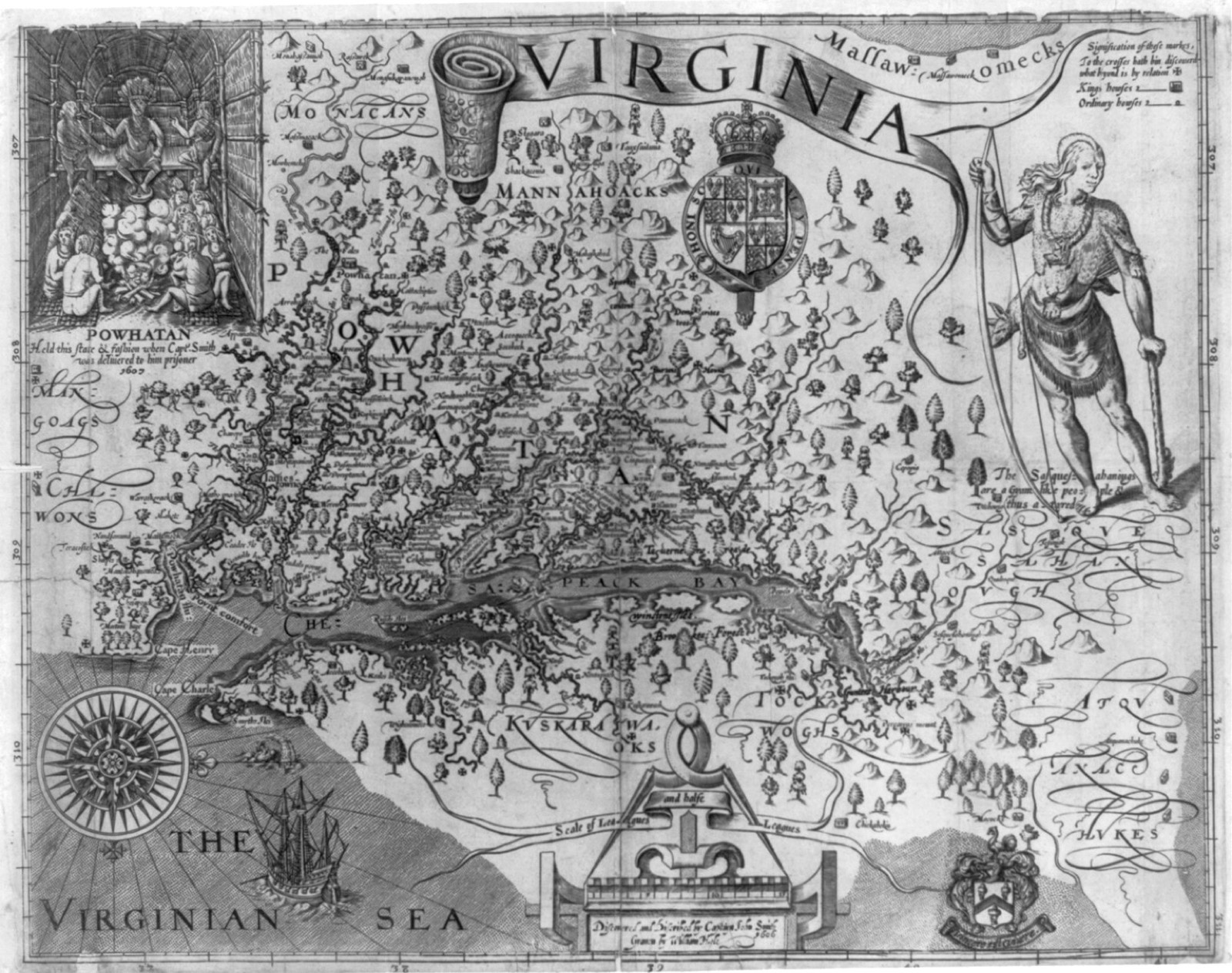
John Smith’s map of Virginia, engraved by William Hole and published in 1612. Public domain.
The Homestead Act offered 160 acres of public land to a household that would live on it and farm it.
A poor family could file without buying the acreage, but shelter, tools, and seed for five years still cost more than the filing fee.
A household with enough saved to fence, break sod, and survive a bad crop had a real chance at a patent.
Speculators, timber firms, and cattle interests used cash sales and other land laws to gather acres the homestead rule was meant to spread.
The Homestead Act of May 20, 1862, let a citizen, or an immigrant who had filed for citizenship, claim 160 acres, live there, and improve the land for five years, then take a patent for a small fee.
Anyone who had borne arms against the United States was excluded.
Much of the best land was already tied up in railroad grants, pressured Indian cessions, or cash entry, so the famous 160 acres was never the whole public domain.
Homestead Act, 12 Stat. 392 (1862); Gates, History of Public Land Law Development