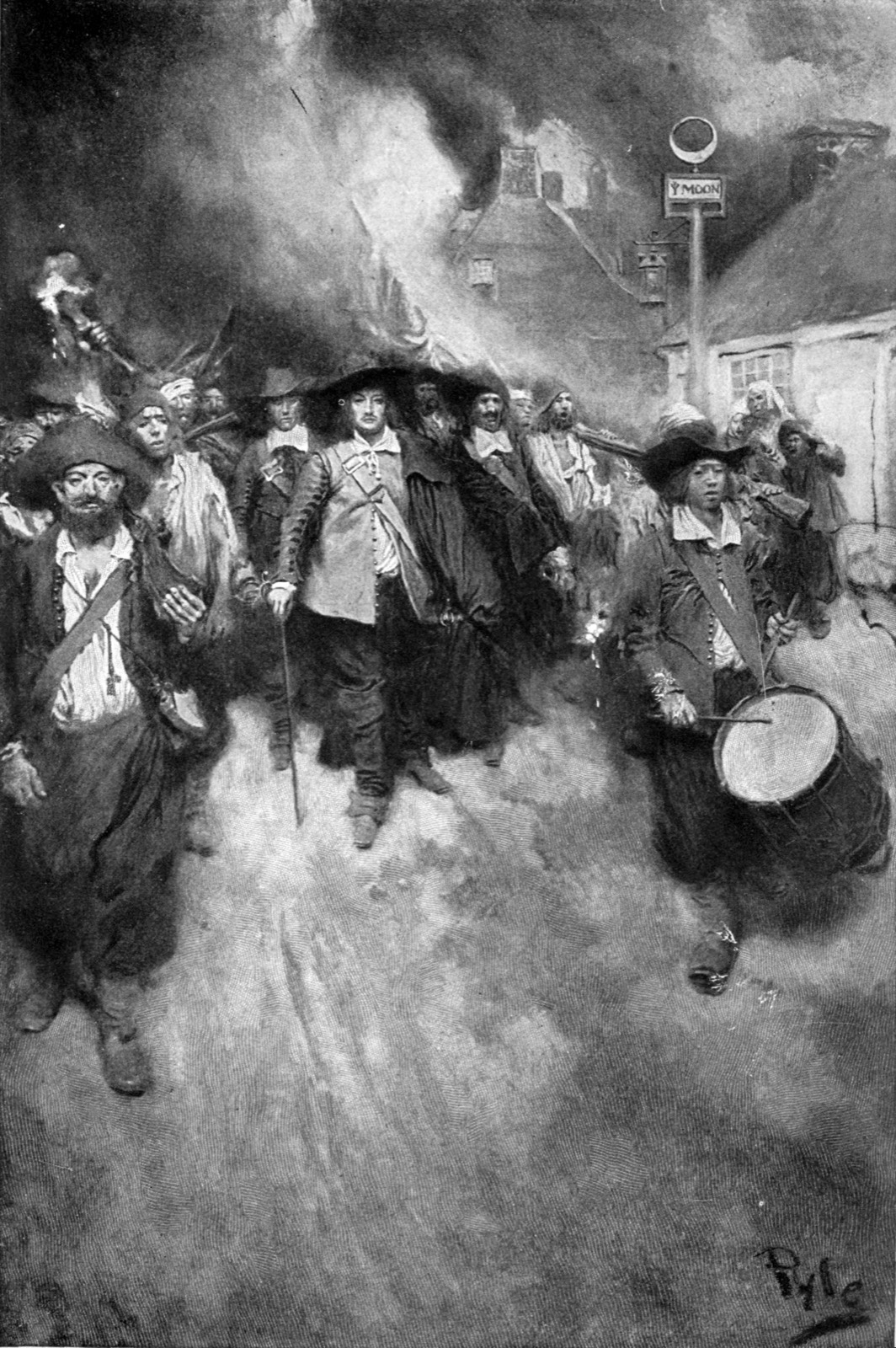
Howard Pyle, The Burning of Jamestown, an early-twentieth-century illustration, not an eyewitness view. Public domain.
The Thirteenth Amendment abolished slavery, so a human being could no longer be carried as property on a ledger.
A freed household gained a legal status slavery had denied and still needed land, wages, or a contract to eat.
A small employer in the South could no longer buy a person’s labor outright and had to hire, rent, or share a crop.
Former slaveholders lost the largest capital entry many of them had, which is why control of freed people’s work became the fight.
The Thirteenth Amendment, ratified in December 1865, abolished slavery and involuntary servitude except as punishment for crime.
It made the property system behind the Confederacy unconstitutional.
Contracts, vagrancy laws, and land then became the fight over what free labor would mean.
United States Constitution, Amendment XIII (1865); Eric Foner, Reconstruction (1988)