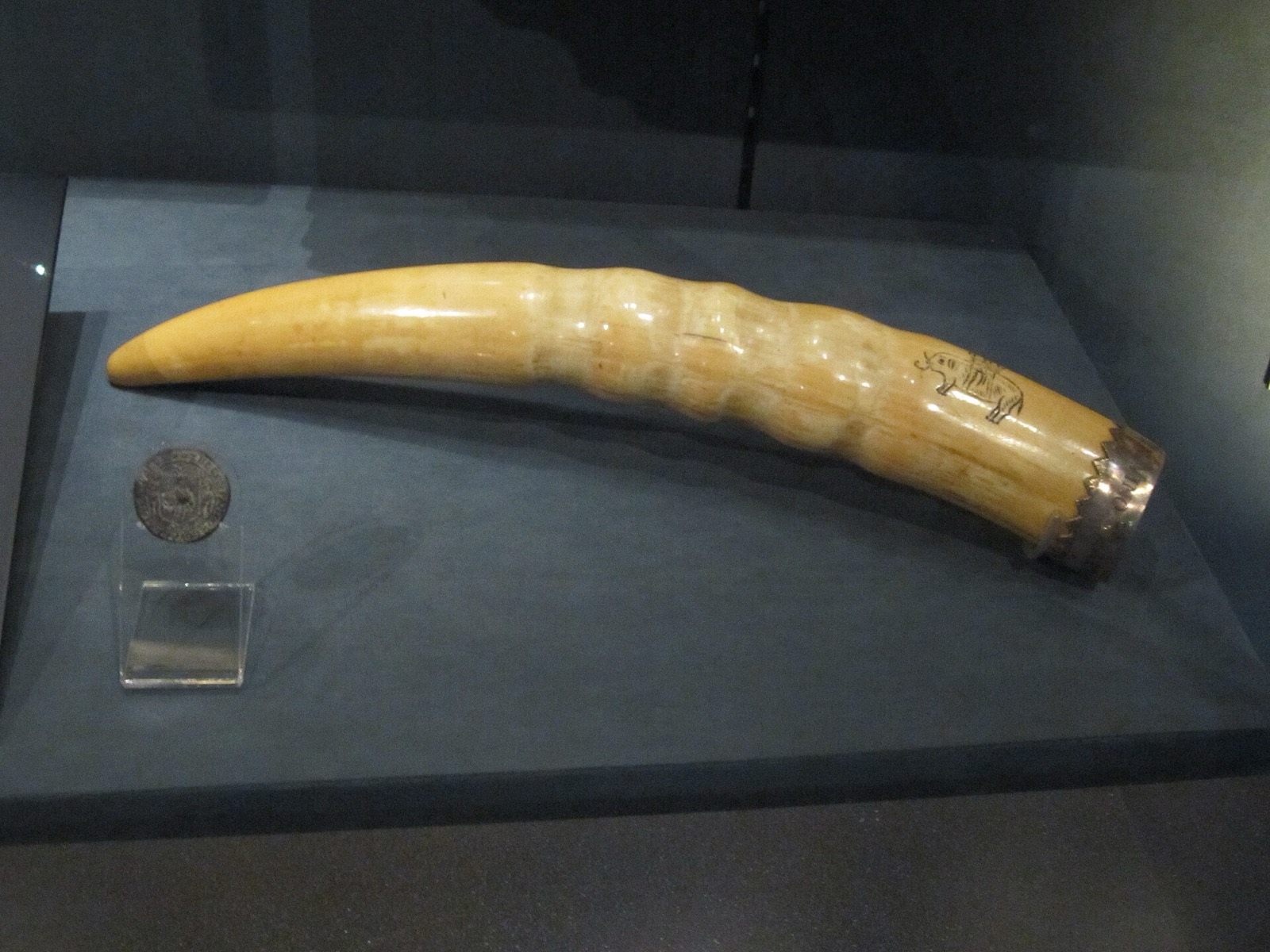
Ivory marked by the Royal African Company. International Slavery Museum, Liverpool. Wikimedia Commons.
The 1896 election was a fight over whether the dollar would stay on gold or be opened to free coinage of silver.
A poor household that owed rent or a store bill wanted more money in use, because tight money meant low wages and scarce work.
A farm household with a mortgage was the core of the silver vote, hoping cheaper dollars would lighten the debt.
Bankers, bondholders, and anyone paid a fixed sum in gold wanted the metal kept scarce so those claims would not shrink.
William Jennings Bryan’s Cross of Gold speech won him the Democratic nomination, and the Populists endorsed him too.
William McKinley won the election on a gold platform, with a campaign heavily financed by business.
Free silver as national policy died with that defeat, though the statute that wrote the gold standard came four years later.
William Jennings Bryan, speech at the Democratic National Convention, July 9, 1896; Stanley L. Jones, The Presidential Election of 1896 (1964)