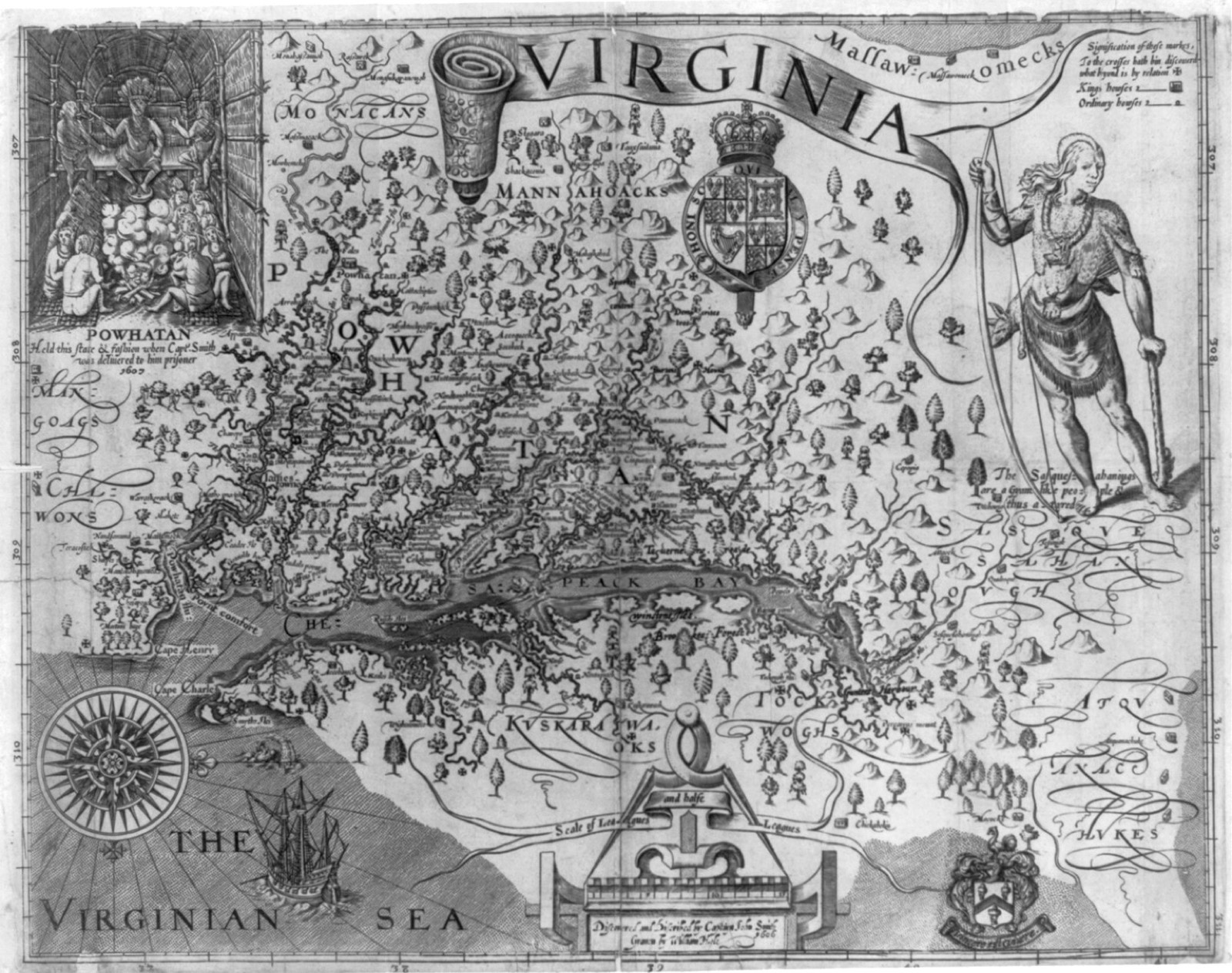
John Smith’s map of Virginia, engraved by William Hole and published in 1612. Public domain.
Black southerners left cotton and Jim Crow for northern factory wages the war had made real.
A household on a southern farm weighed a low wage, a weevil-damaged crop, and a landlord against a train ticket and a job that might not last.
A household that reached Chicago, Detroit, or Pittsburgh could earn more in a week than the farm had paid, and then pay a high rent for a crowded flat on a segregated street.
A northern employer gained workers when immigration had slowed, and a southern planter lost the hands the crop depended on.
The movement later called the Great Migration was already large in the war years, helped by labor recruiters and by Black newspapers that printed wages and routes.
The pay was better than southern farm work.
Housing was often worse than the pay suggested, and the new city could answer with a riot as well as a wage, as the summer of 1919 showed.
Isabel Wilkerson, The Warmth of Other Suns (2010)