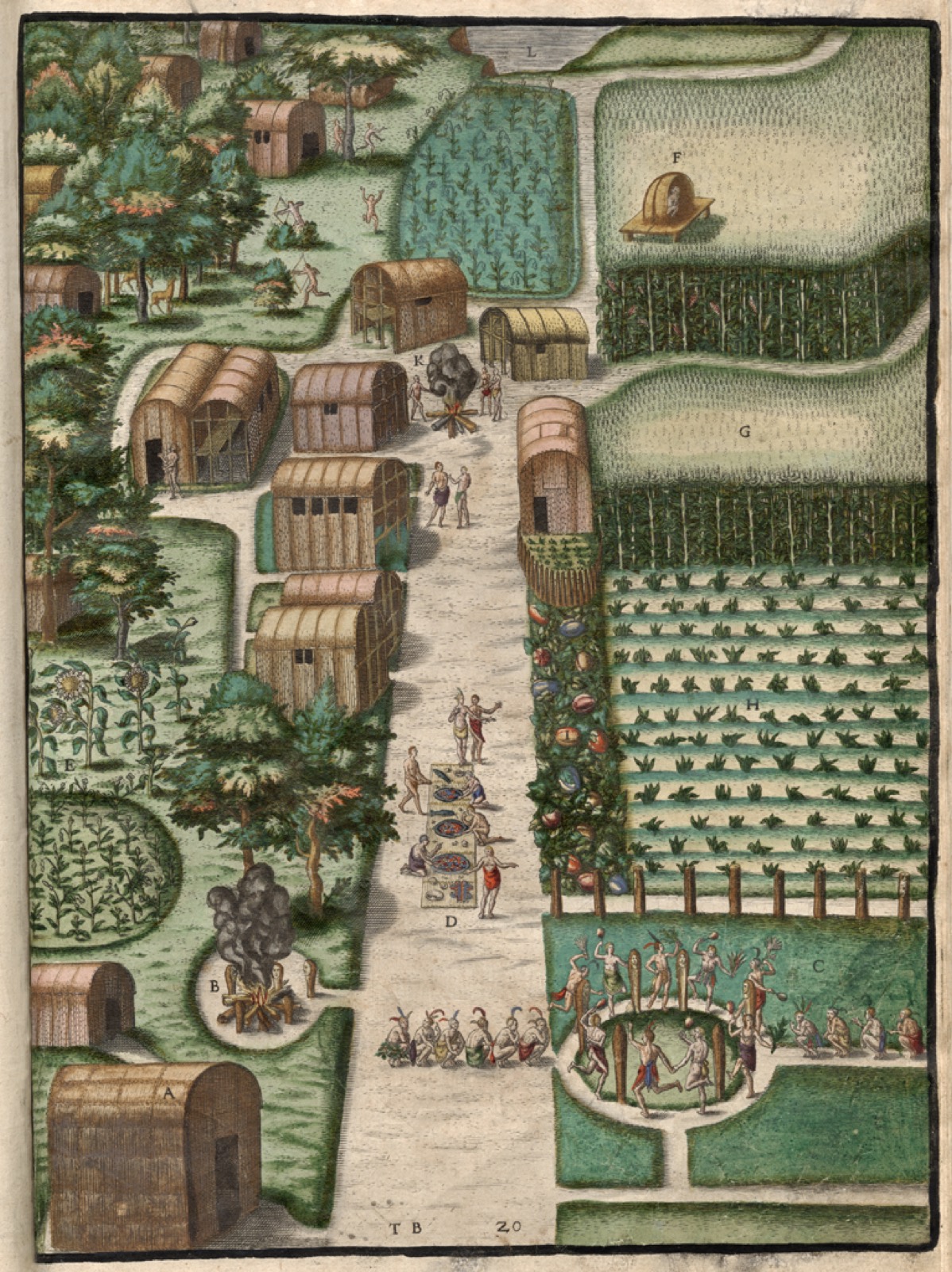
Theodor de Bry’s 1590 engraving of Secoton, from John White’s watercolors. Public domain.
Finance companies and stores spread the habit of taking a car, a radio, or a parlor set home after a down payment and paying the rest by the week or the month.
A stretched household that missed a payment could lose the goods and also lose the money already paid, because those payments were not savings.
A household with a steady wage could have a car or a washer years before it could have saved the full price, and it paid a finance charge that was easy to underestimate.
A dealer, or a finance company like the one General Motors set up to move its cars, earned money on the contract itself and could take the goods back.
General Motors Acceptance Corporation, organized in 1919, made the automobile a debt as well as a machine.
The charge was often figured on the original balance for the whole term, so the true cost was higher than a quick look at the stated rate suggested.
Until the last payment, the seller or the finance company stood in the stronger legal place.
Lendol Calder, Financing the American Dream (1999)