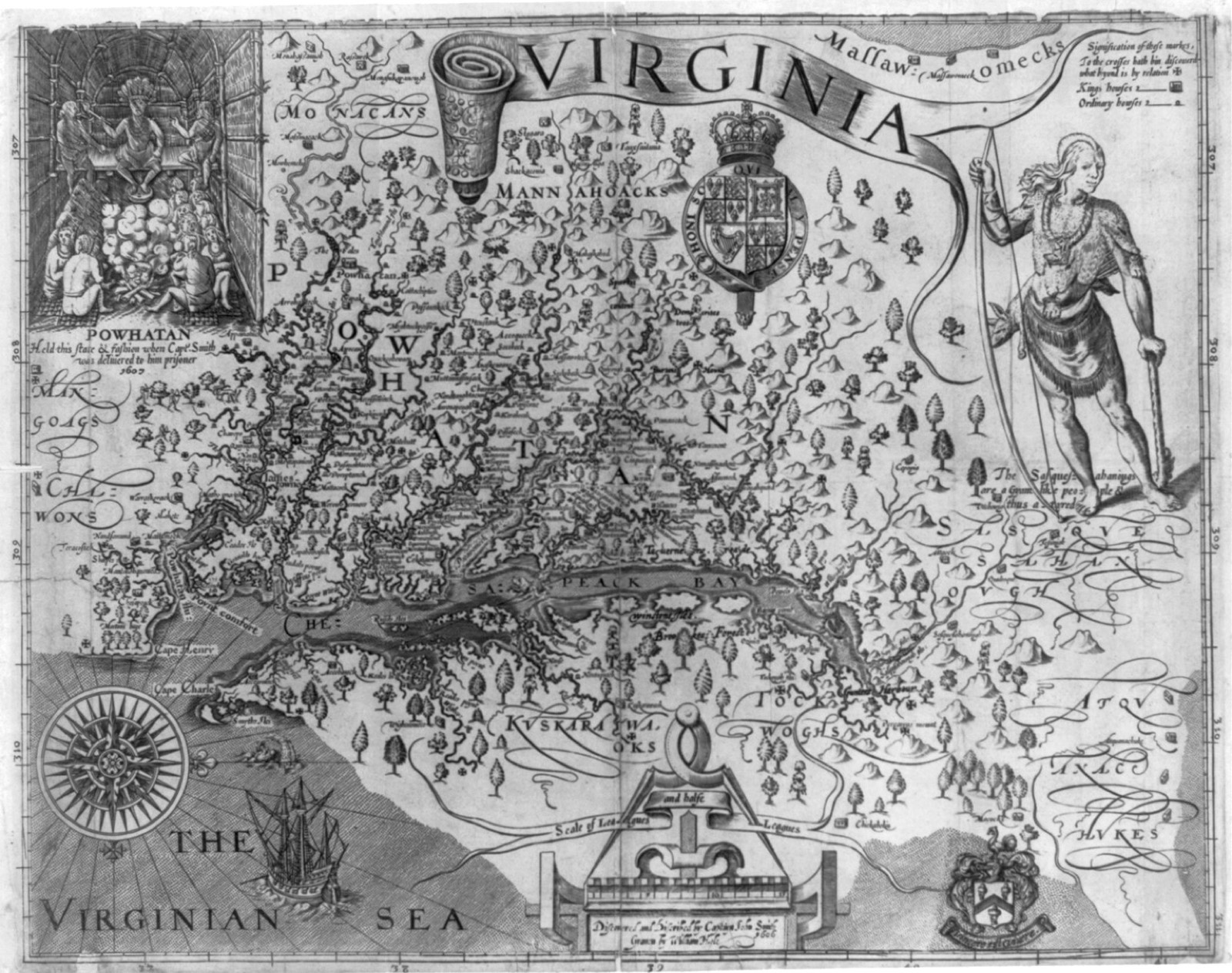
John Smith’s map of Virginia, engraved by William Hole and published in 1612. Public domain.
In the mid-1920s a Florida land boom sold building lots, often on small payments, to buyers who had never stood on the ground.
A household that put a small savings account into a down payment on a lot could lose those payments when the boom broke and still have nothing to live on.
A household that had meant to resell the lot to a later buyer found the later buyer gone, with the remaining payments still due.
A developer or a salesman paid up front, or a bank that had kept its money out of the paper, was in a different seat from the household holding the contract.
The boom ran on easy credit and on the belief that a vacant lot would find a richer buyer.
It broke in 1926, when new credit dried up and storms made the speculation harder to believe.
Households were left with contracts on land that no longer had a market.
Frederick Lewis Allen, Only Yesterday (1931)