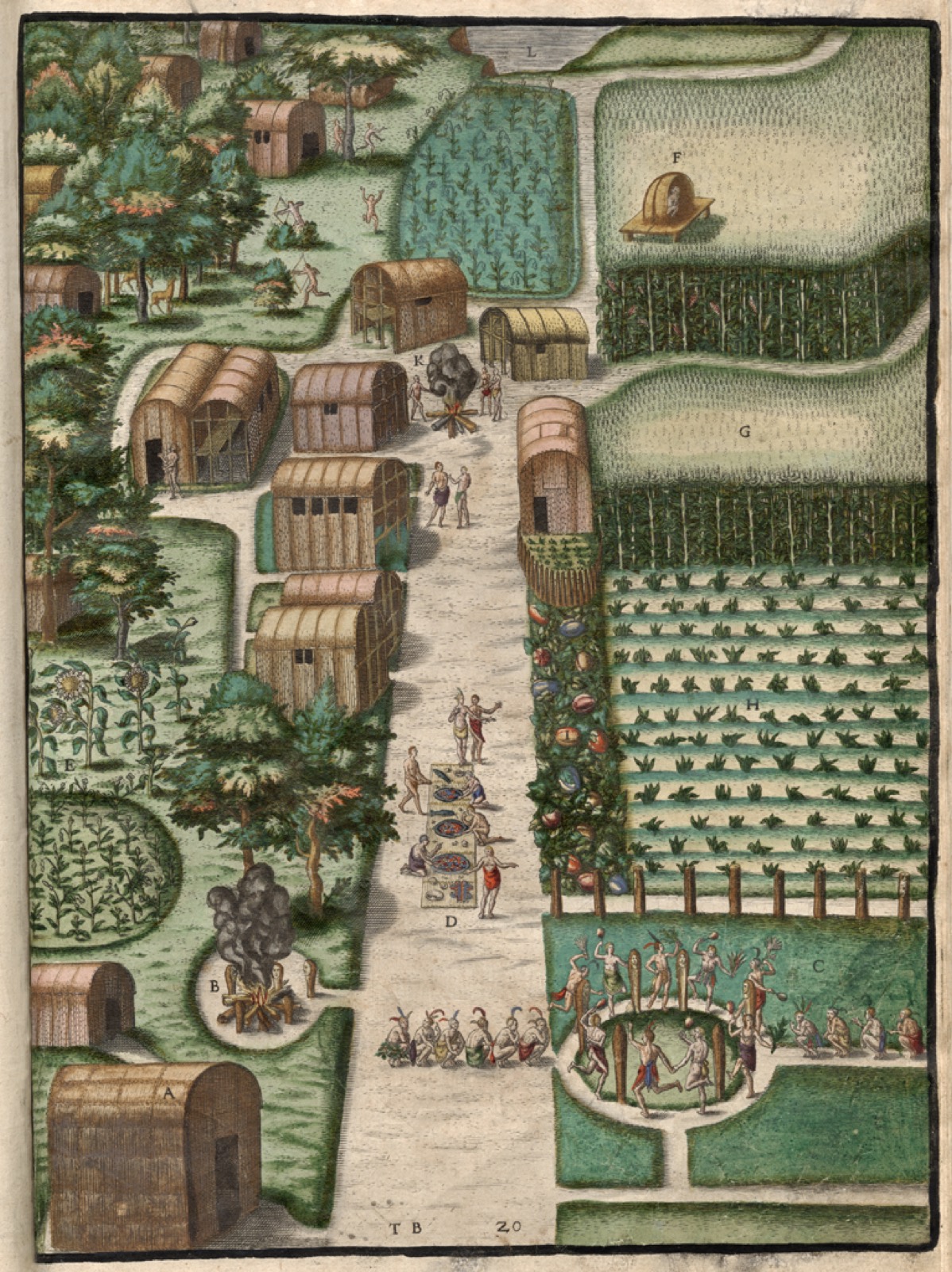
Theodor de Bry’s 1590 engraving of Secoton, from John White’s watercolors. Public domain.
World War veterans held certificates promising a bonus, and in 1932 many of them were broke enough to go to Washington and ask for the money early.
A veteran’s household living close to the line was holding a promise dated years ahead, and the trip to the capital did not pay the grocer.
A veteran’s household that still had work did not need the cash that month and still could not spend a claim that was real.
Congress and the Hoover administration treated the certificate as a budget problem to be paid on its printed date, not as savings a household could use.
The 1924 law had issued adjusted-compensation certificates payable in 1945.
Veterans camped in Washington, a bill for full immediate payment failed, and the Army cleared the camps in July 1932.
The paper was a debt the government owed its own people and then dated too late to eat.
World War Adjusted Compensation Act of 1924; Kennedy, Freedom from Fear (1999)