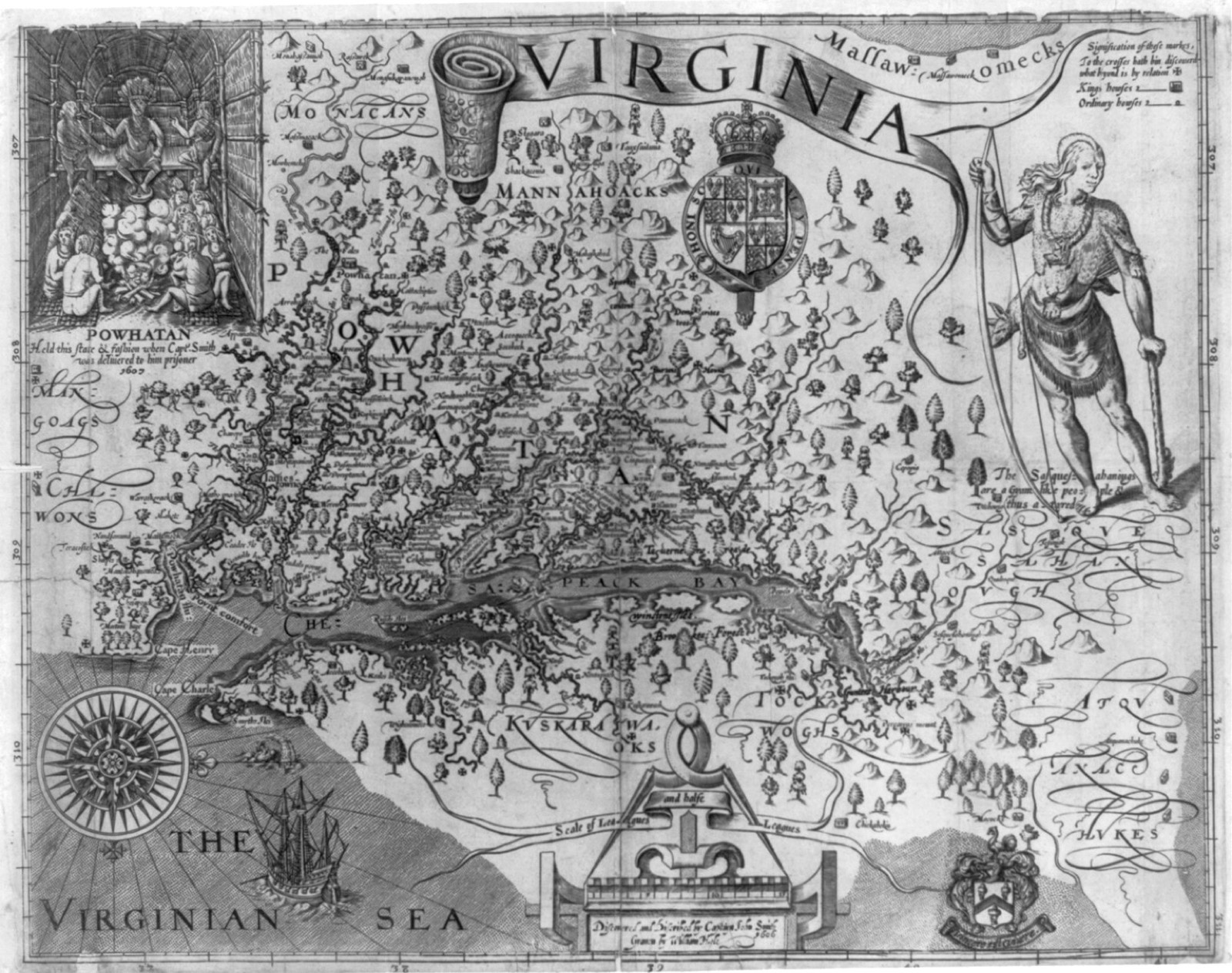
John Smith’s map of Virginia, engraved by William Hole and published in 1612. Public domain.
The Civilian Conservation Corps put young unemployed men into camps to do conservation work, and most of the small wage was sent to their families.
A stretched household that received an allotment from a son’s camp pay got a steady small sum it had not had, and lost his labor at home.
A household that was not judged poor enough did not get a place in the camps for its sons, because the program was built for the unemployed and the needy.
The Army and the federal departments ran the camps, so this was a public employer with a uniform, not a local contractor’s payroll.
Congress authorized the work on March 31, 1933, under the name Emergency Conservation Work, which the country called the Civilian Conservation Corps.
The camps planted trees, fought erosion, and built trails and parks.
The pay was never meant to match a private wage, and it was meant to feed a family through a son removed from a job market that had no jobs.
Act of March 31, 1933, for the relief of unemployment through useful public work