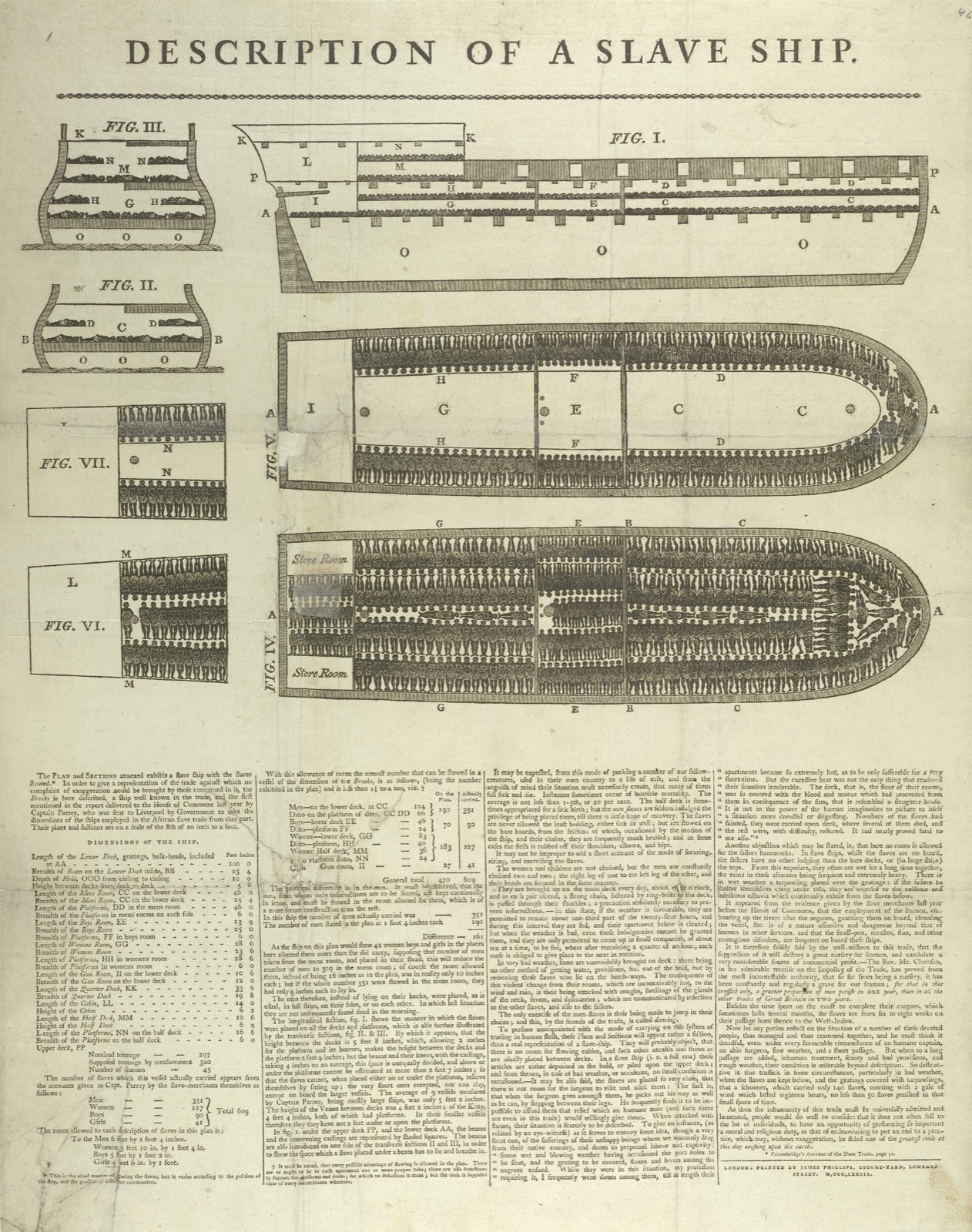
Diagram of the British slave ship Brookes, published in 1788. Public domain, British Library.
The securities laws of 1933 and 1934 required companies selling shares to the public to disclose the facts, and created a commission to police the exchanges.
A stretched household that could not afford a share gained no portfolio, and gained a market that was at least supposed to stop the worst silent promotions.
A household buying a listed stock still risked its money, and it could read a registration statement instead of relying on a tip.
An issuer or a broker who hid a material fact faced a law that had not existed in 1929, which changed the business of selling securities even for firms that had been honest.
The Securities Act of 1933 governed new public issues, and the Securities Exchange Act of 1934 created the Securities and Exchange Commission and extended rules to the exchanges and to people who dealt in securities.
Disclosure does not promise that a price will rise.
It is a rule that the seller may not legally leave the buyer in the dark about the company being sold.
Securities Act of 1933; Securities Exchange Act of 1934, 48 Stat. 881