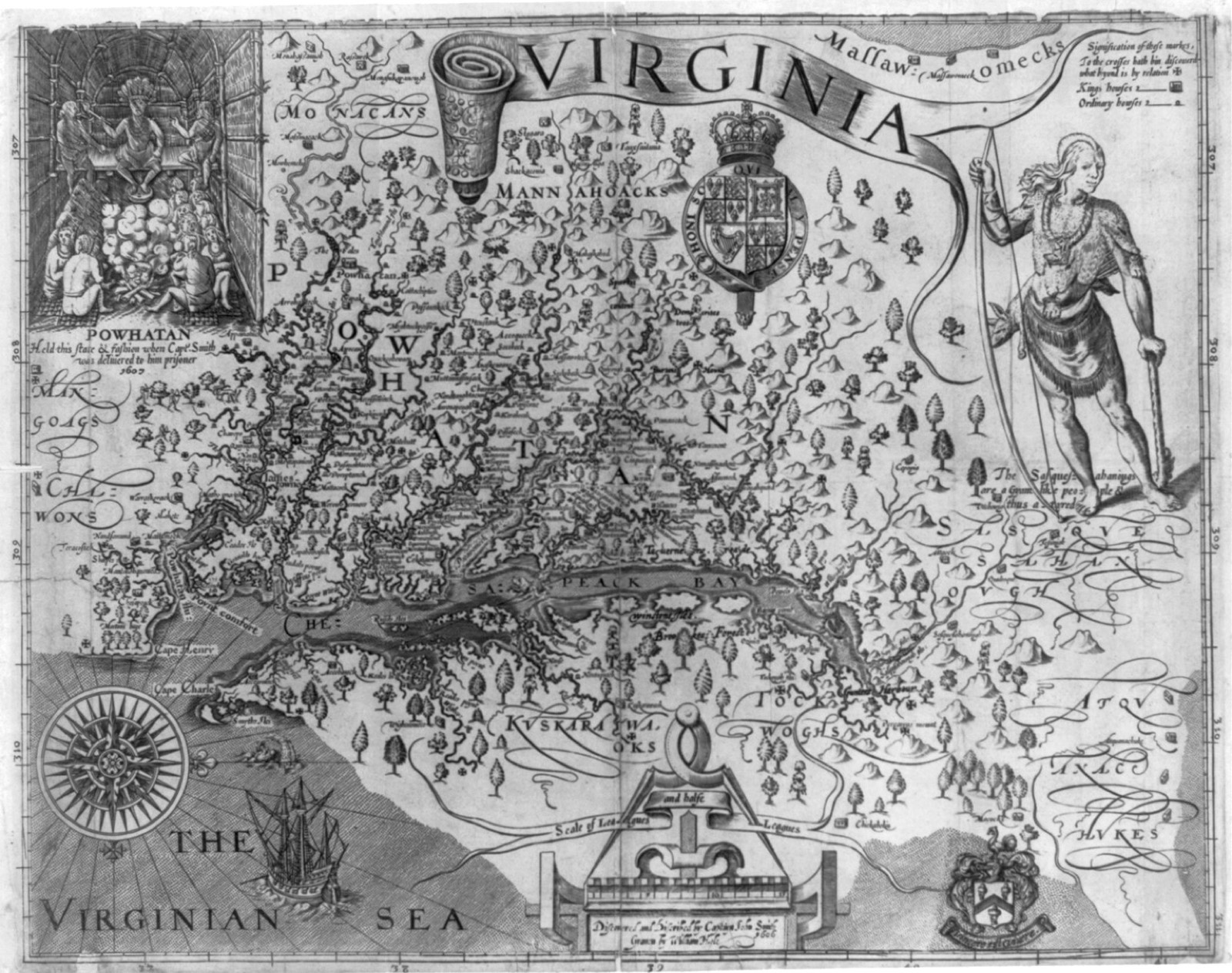
John Smith’s map of Virginia, engraved by William Hole and published in 1612. Public domain.
The Rural Electrification Act of 1936 lent money so cooperatives could string power lines to farms that private utilities had skipped.
A farm household that finally got a line gained light and a motor, and also gained a monthly electric bill in place of kerosene and hand pumping.
A farm household that could pay the bill and buy an appliance changed the work of the kitchen and the barn, and a house too poor to wire could still be dark on a road that now had poles.
A private utility that had avoided thin country, because the poles did not pay, now faced a cooperative financed with public credit.
The act lent the cost of the lines rather than giving the electricity away, and the borrowers had to collect from members to repay.
Farms that had been told they were too far to serve were often close enough once the loan existed.
The new bill was a household expense and a household tool at the same time.
Rural Electrification Act of 1936