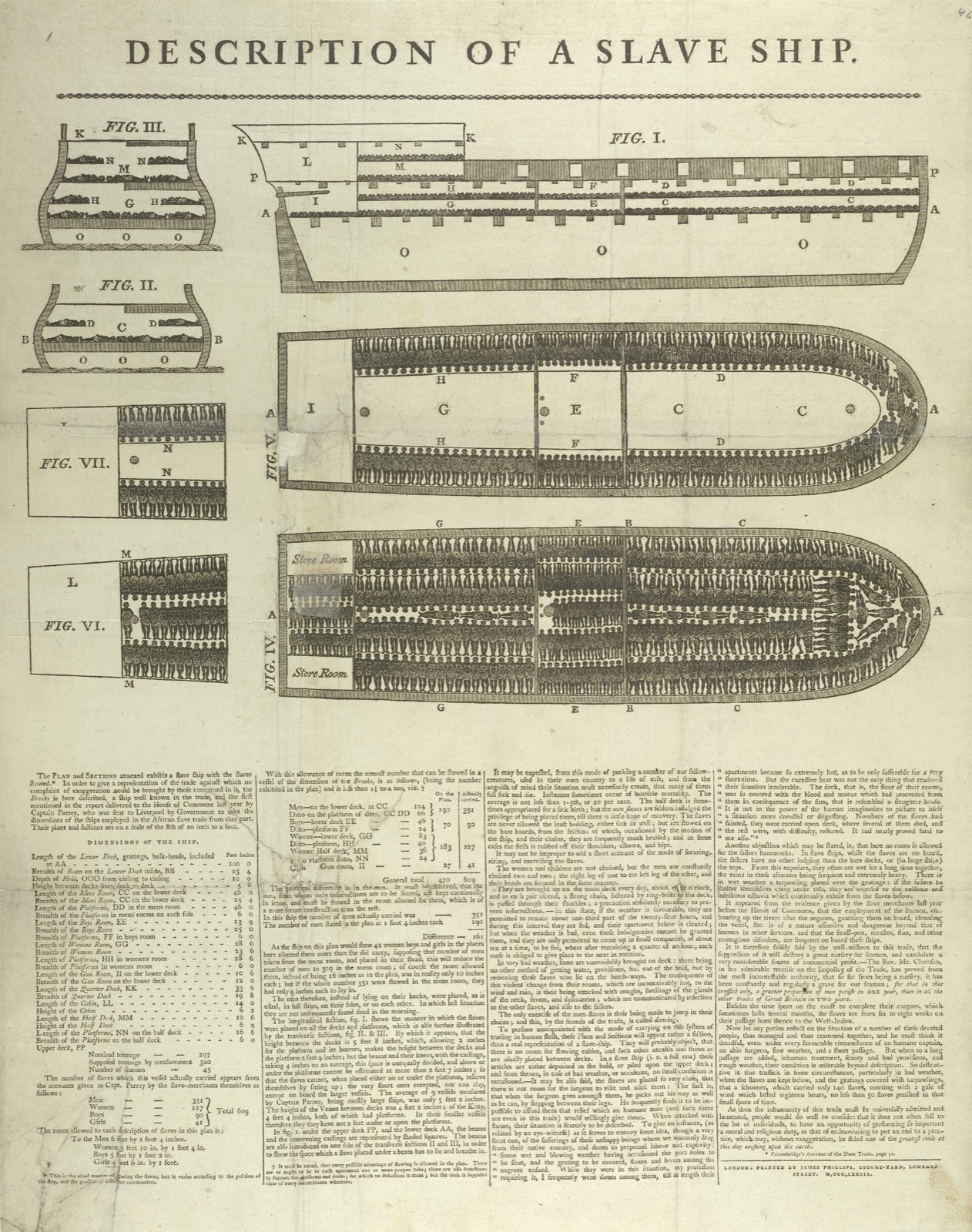
Diagram of the British slave ship Brookes, published in 1788. Public domain, British Library.
The 1950 contract between General Motors and the auto workers tied wages to prices and to productivity and added pensions and health insurance, and other large firms copied the pattern.
A stretched household outside a big union contract did not get the hospital plan or the pension formula, and still met a medical bill as a private crisis.
A household inside the contract gained a raise that moved with prices and a job that carried a doctor bill, which is a different paycheck from a wage alone.
The company bought a stretch of labor peace and took on a long benefit bill, and the union became an operator of the household’s insurance as well as of its wage.
People called the settlement the Treaty of Detroit because it looked like a peace between a giant firm and a giant union, not because Congress had passed it.
It did not cover the economy.
It covered the workers and the companies that signed something like it, and it left everyone else with the wage poster and the charity ward.
Nelson Lichtenstein, State of the Union (2002)