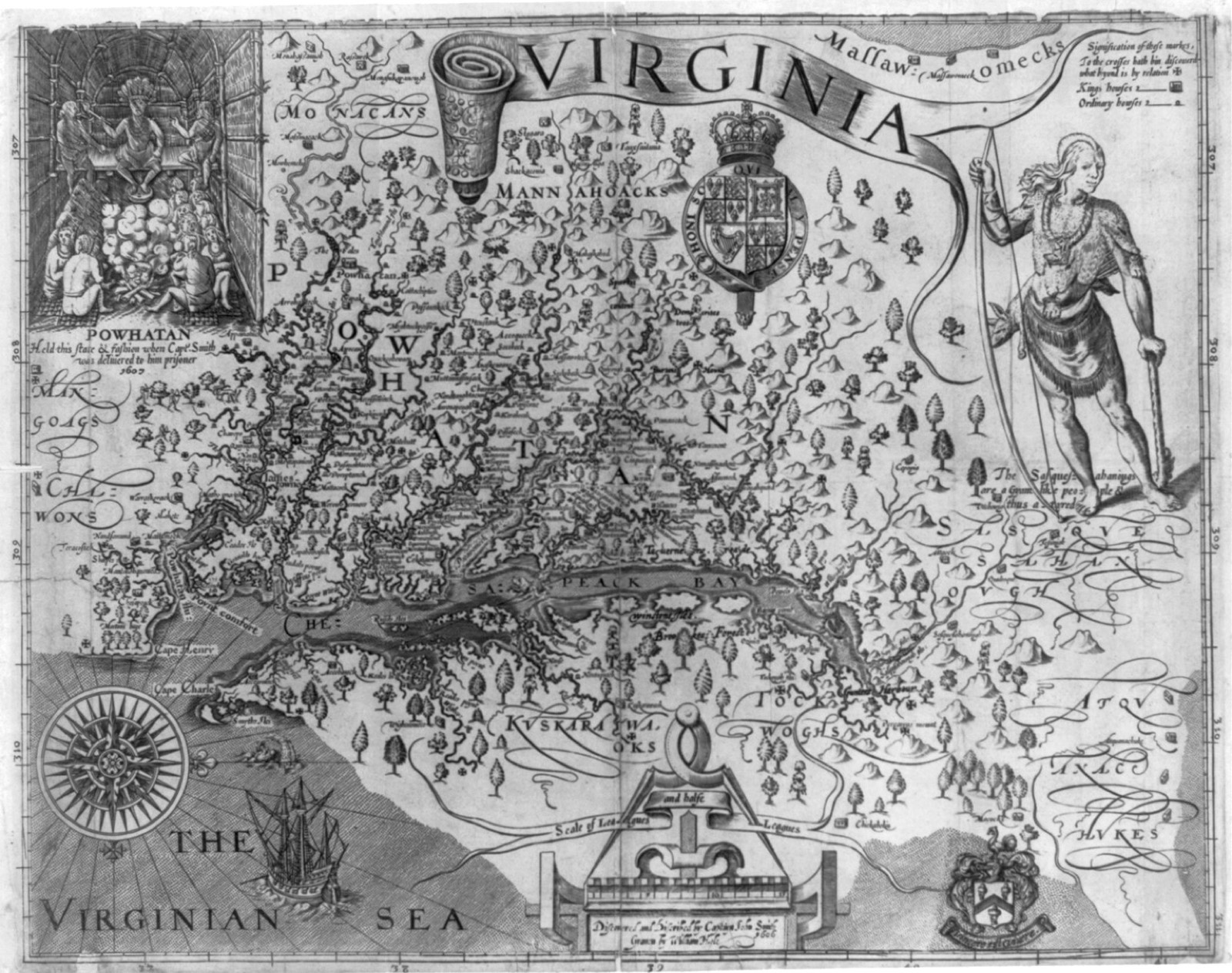
John Smith’s map of Virginia, engraved by William Hole and published in 1612. Public domain.
The Federal-Aid Highway Act of 1956 started the Interstate system and fed a trust fund with federal fuel taxes, so drivers paid for the concrete at the pump.
A stretched household without a reliable car paid little of the fuel tax and could still lose a home if the new road was driven through its block.
A household that could finance a house farther out gained a commute, and a mortgage that made sense because the highway was coming.
A trucking firm gained a public road that took freight from the railroads, and a contractor gained the largest building program in the country, funded every time a tank was filled.
Urban pieces of the system were often pushed through Black and poor districts, where the land was cheaper and the political resistance was weaker.
The fuel tax was collected from anyone who bought gasoline, including a household that hated the particular freeway and a household that needed it.
The road changed where it was practical to live, to work, and to shop.
Federal-Aid Highway Act of 1956