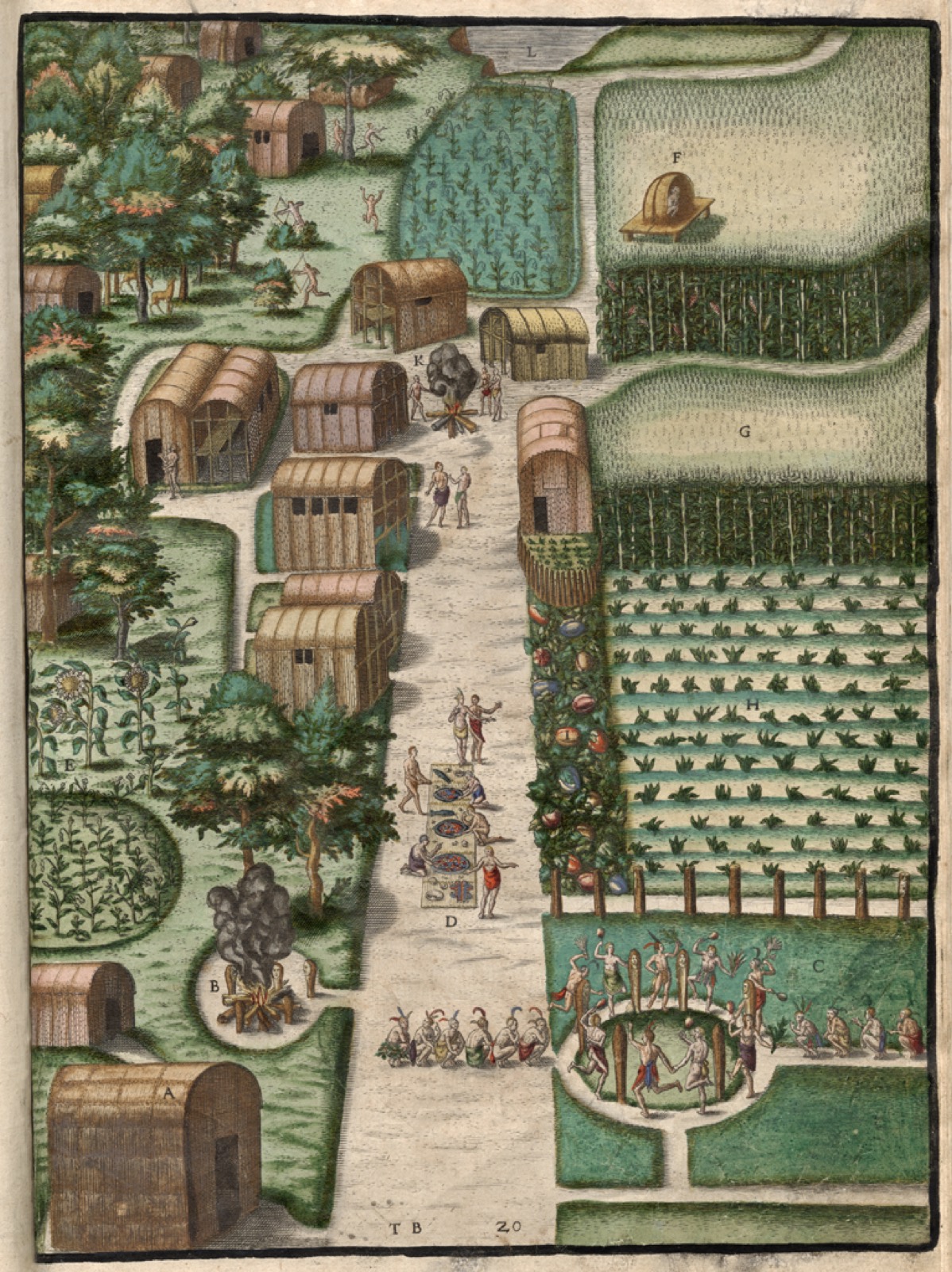
Theodor de Bry’s 1590 engraving of Secoton, from John White’s watercolors. Public domain.
The recession of 1960 and 1961 raised unemployment, and a covered worker’s insurance again lasted only a set number of weeks.
A stretched household that used up the benefit while the job had not returned was back to savings, relatives, or local relief.
A household that kept its job through a short national recession mostly felt caution, and a household laid off and rehired inside the benefit window was the case the system was built for.
An employer in a shrinking plant shed labor the insurance system then partly carried, and a town whose main wage had left had a problem a temporary check could not solve.
The Area Redevelopment Act of 1961 put federal aid into places with long-running unemployment, which admitted that some layoffs were not a short gap between two jobs.
Unemployment insurance assumes the next job arrives before the weeks are gone.
Where the industry itself had left, a temporary benefit was not a new wage.
Area Redevelopment Act of 1961