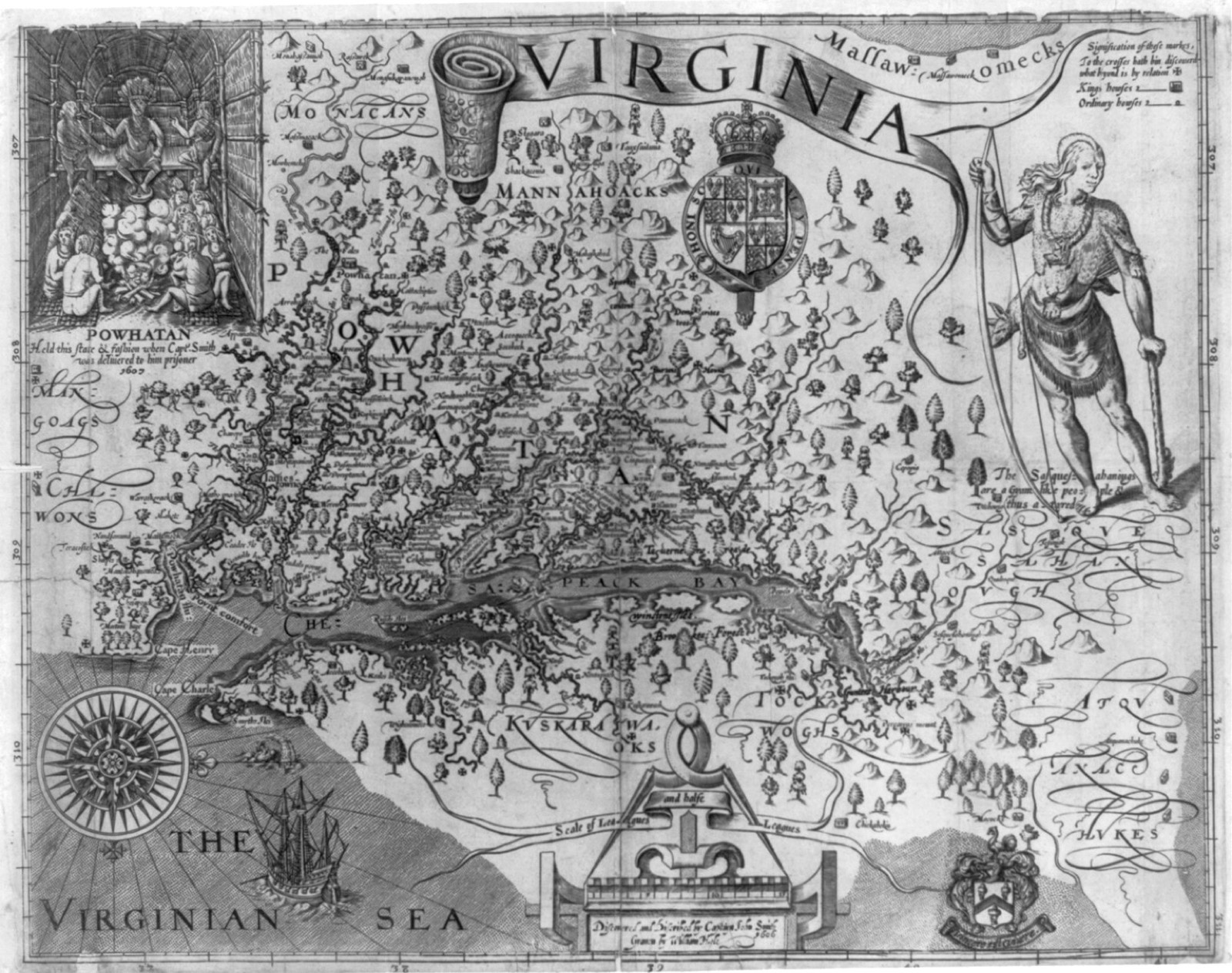
John Smith’s map of Virginia, engraved by William Hole and published in 1612. Public domain.
By 1973 the major currencies stopped pretending they had a fixed price against the dollar.
If money is tight, a floating dollar shows up as the price of gasoline, coffee, and anything on a ship.
If you are in the middle, a foreign car or a foreign trip now moves with a market, not a treaty.
If you have savings, money you hold in one currency can shrink against another without a vote.
A December 1971 realignment, the Smithsonian agreement, raised the official gold price and did not hold.
In 1973 the dollar was devalued again and major currencies were allowed to float.
The postwar fixed-exchange system was over.
Source: Smithsonian Agreement, December 1971; collapse of fixed rates among major currencies in 1973.