April inflation cooled from March but stayed uncomfortably high
Consumer prices rose 0.6 percent in April and 3.8 percent over the year. Energy, shelter and grocery costs all contributed to the monthly increase.
Published October 27, 2026. This retrospective examines the April 2026 CPI report, released May 12.
Prices paid by U.S. consumers rose 0.6 percent in April, after rising 0.9 percent in March. Over 12 months, the Consumer Price Index was up 3.8 percent. The monthly pace eased, but the report did not show that prices were falling. It showed they were still climbing, only at a slower rate than the previous month.
What pushed the index higher
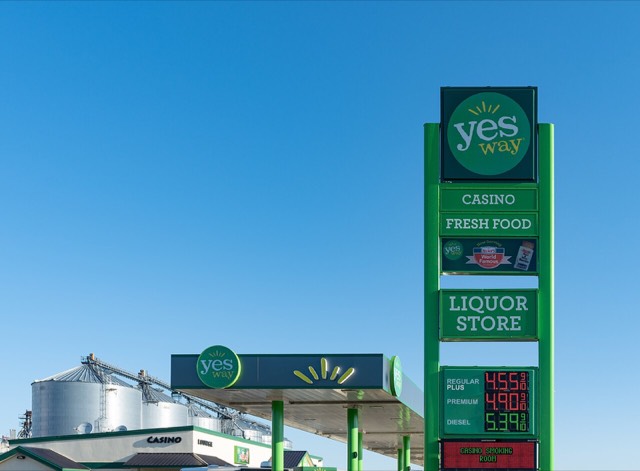
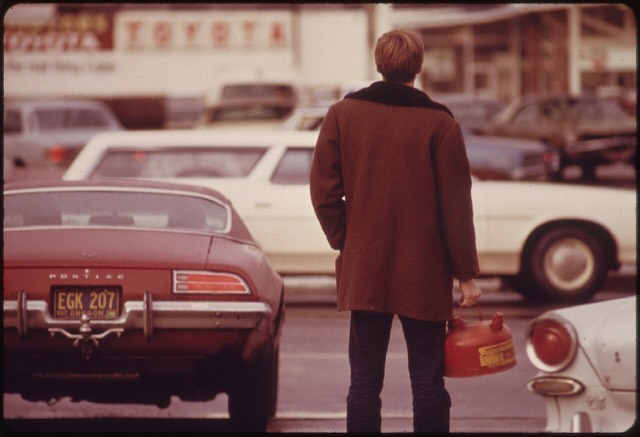
Energy prices rose 3.8 percent in April and accounted for more than 40 percent of the monthly increase in the all-items index, according to the Bureau of Labor Statistics. Gasoline rose 5.4 percent on a seasonally adjusted basis. Shelter increased 0.6 percent, food rose 0.5 percent, and grocery-store food rose 0.7 percent.
Those categories touch different parts of a family budget. Fuel can affect the commute and the cost of deliveries. Shelter includes rent and owners’ equivalent rent, a measure designed to track the cost of housing services for homeowners. Food is purchased frequently, so even a moderate increase can be noticeable. A national average does not match every region or household exactly.
Inflation is a rate, not a price reset
If a carton of milk costs more than it did last year, a lower monthly inflation reading does not automatically bring the price back down. Inflation measures the pace of price increases across a basket. When that pace slows, prices generally continue to rise, just less quickly. Actual price declines in selected categories can happen, but they do not erase increases elsewhere.
The “core” index excludes food and energy because those prices can jump around sharply. Core CPI rose 0.4 percent in April and 2.8 percent over the year. Excluding volatile categories can help policymakers see whether price pressures are spreading, but families still have to pay for food and fuel. Both measures answer useful, different questions.
Why one report mattered to the Fed
The Federal Reserve aims for 2 percent inflation over time, measured using a different index than CPI. CPI is still an important signal for markets and households. A report showing stronger energy and shelter costs can make it harder for officials to be confident that inflation is returning sustainably to target.
April’s report followed the sharp March energy increase tied to the oil shock. It showed a slower overall monthly rise, but costs were spreading across several household categories. That is why “inflation eased” and “living costs remain high” can both be true. The figures describe the average price movement, not the room any one family has in its budget.
These figures are measured across urban consumers and use a reference basket. They do not include every cost a household faces, such as investment losses or the full cost of buying a home. For a renter renewing a lease, the shelter trend may be more relevant than gasoline. For a delivery driver, energy can loom larger. The published average is a common yardstick, not a complete personal ledger.
Sources
Spotted an error? Tell the editor. Corrections are logged on our corrections page.