Policy
The Price of Borrowed Money
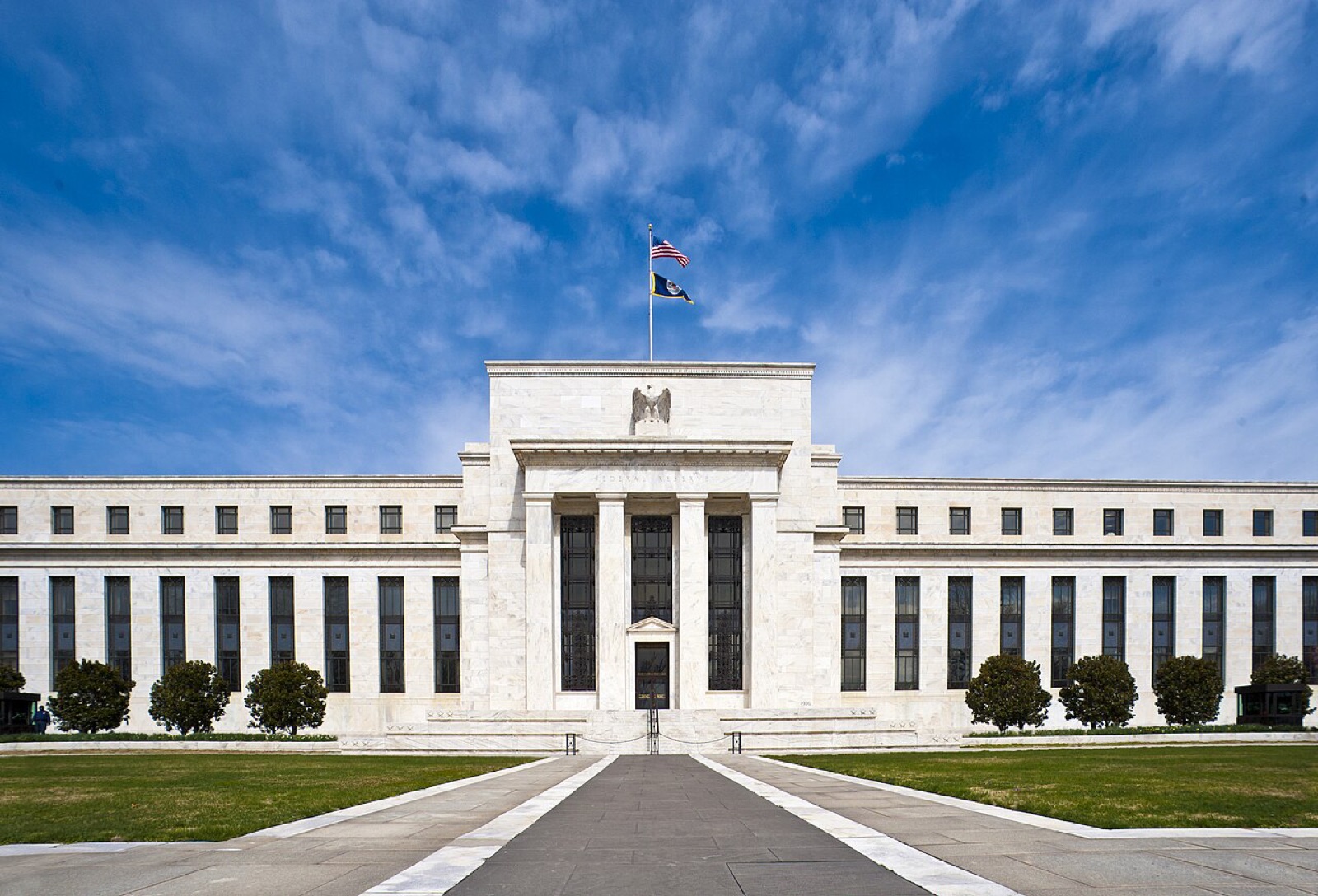
The Federal Reserve raised its main interest rate by a quarter of a point, to a range of 3.75 to 4 percent. It was the first increase in three years. The reason they gave was inflation.
The Federal Reserve, Congress, the courts and the rules they write.
The Federal Reserve raised its main interest rate by a quarter of a point, to a range of 3.75 to 4 percent. It was the first increase in three years. The reason they gave was inflation.
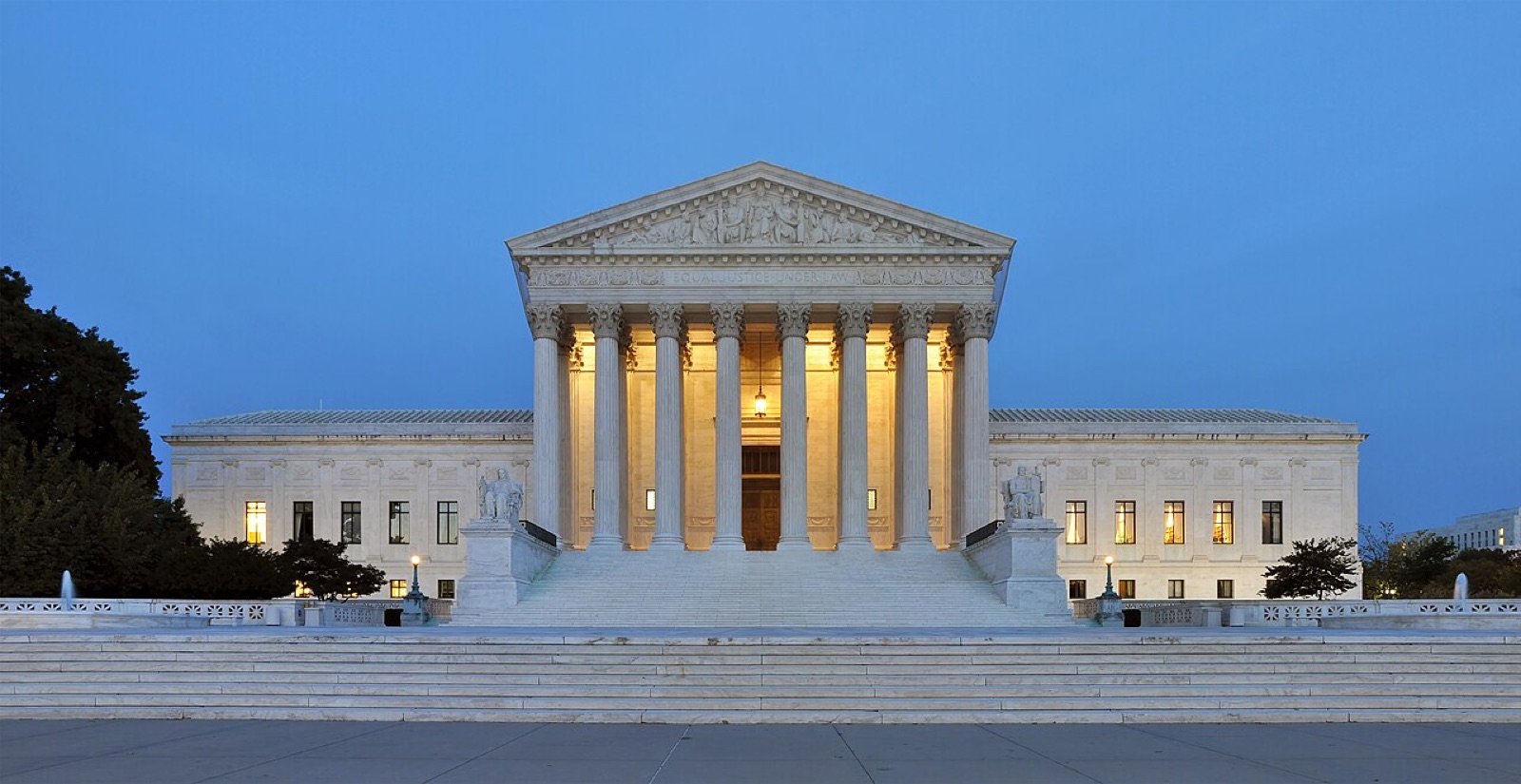
By 6 to 3, the Supreme Court said a 1977 emergency law does not let a president tax imports. The Court did not say who gets the money back.
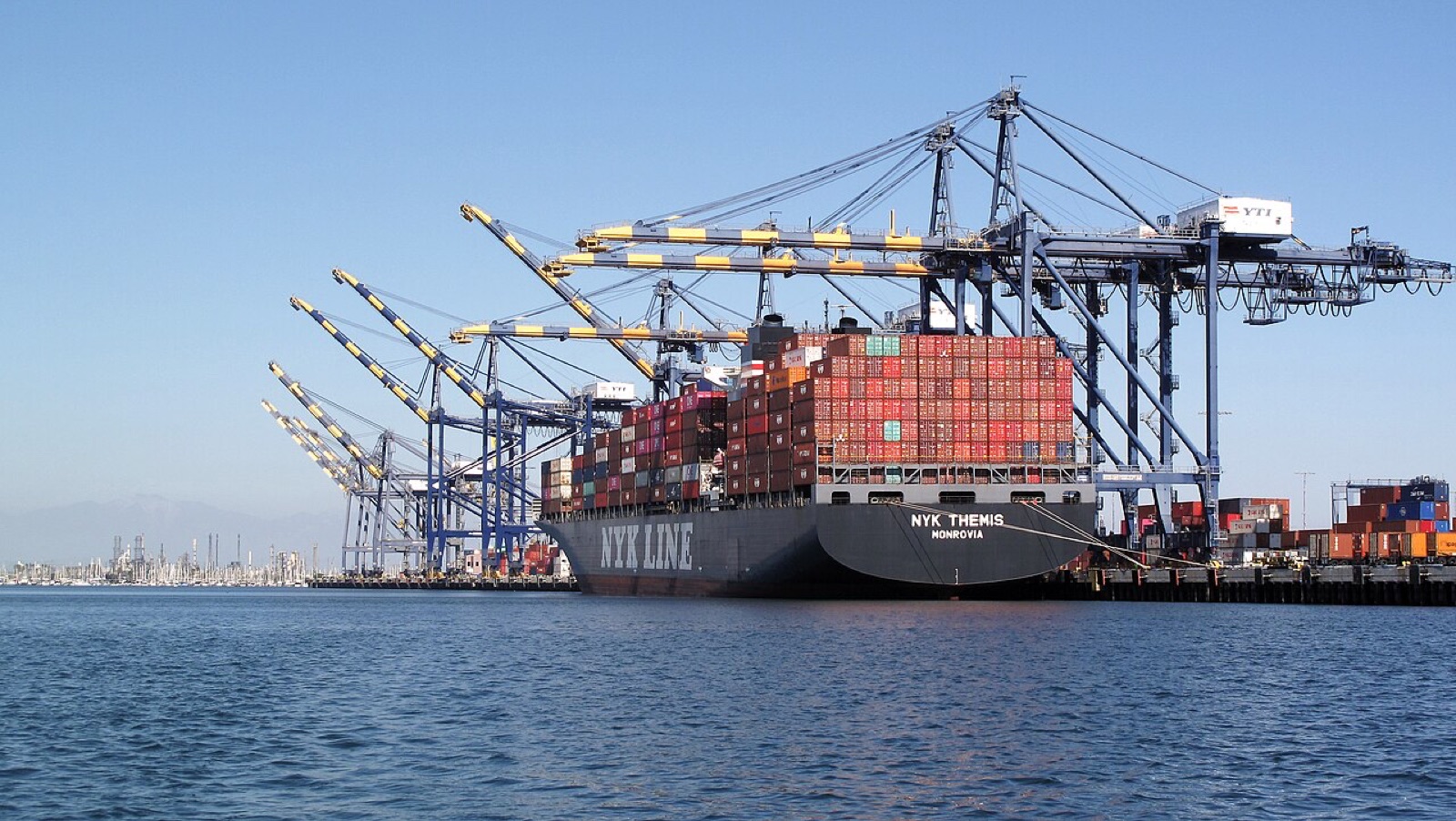
The year opened with an import tax already in the price of ordinary goods. Most people never saw the line. They saw the total.
In December 2008, the Federal Reserve cut its policy rate to zero, and then began buying trillions of dollars of bonds. Borrowing became almost free for seven years. Saving earned almost nothing.
In October 2008, Congress gave the Treasury $700 billion to stop the financial system from collapsing. The first vote failed and the market fell 778 points. The second passed, and the money went first to the banks.
On Sunday night, August 15, 1971, Richard Nixon told Americans he was ending the dollar’s link to gold. He called it temporary. It became the money system the world still uses.
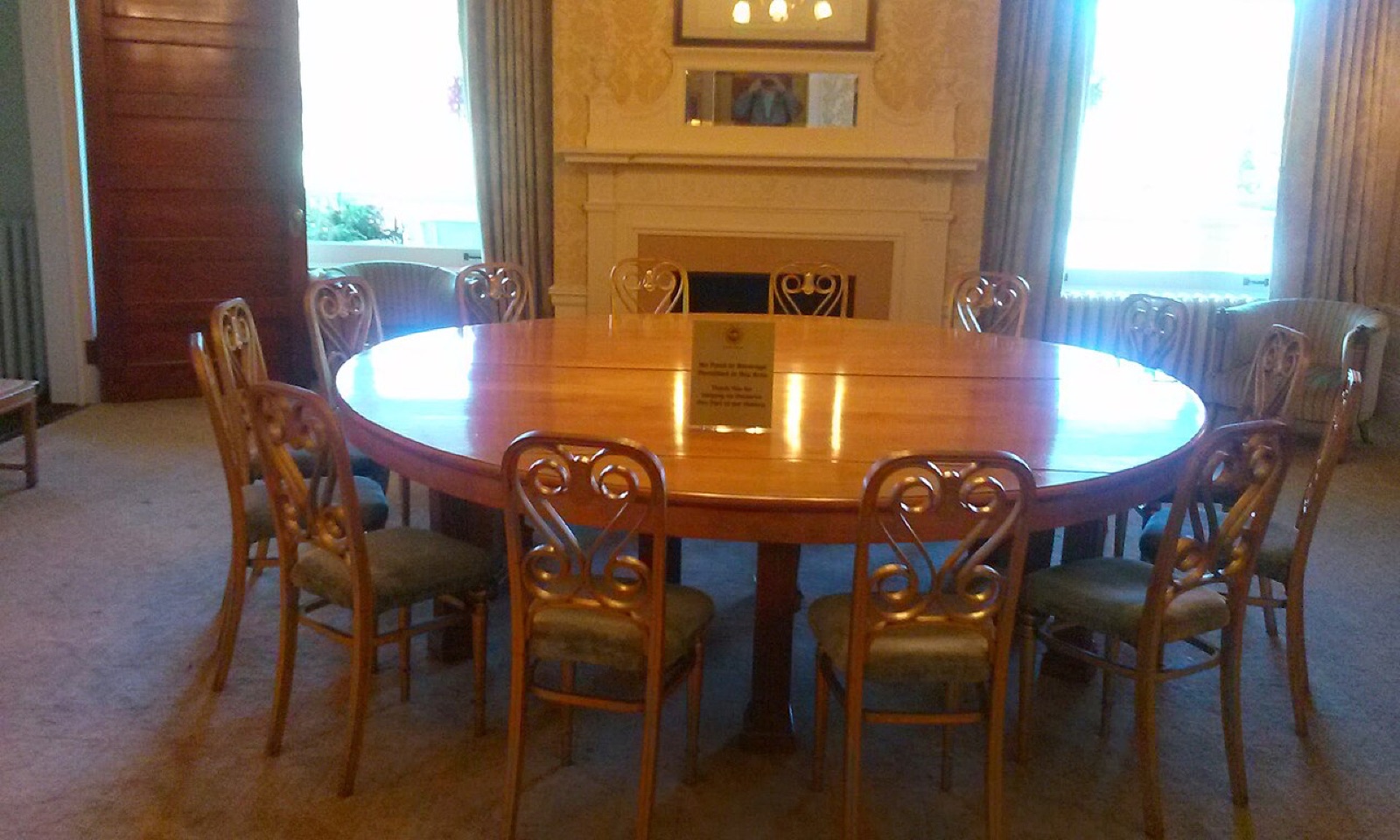
In July 1944, delegates from 44 countries met at a hotel in the White Mountains and built a money system around the American dollar. It lasted 27 years, and the dollar never left the center.
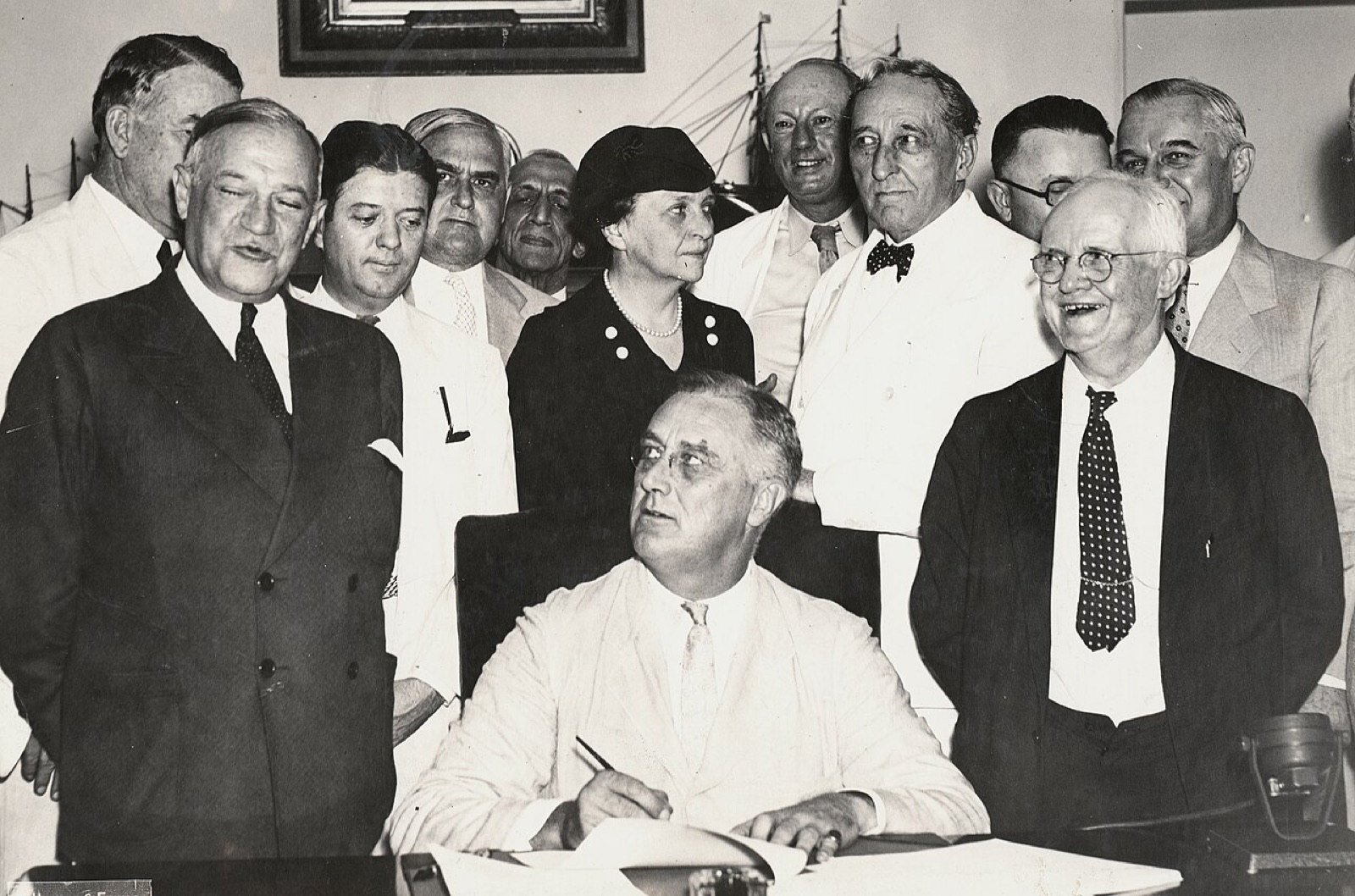
The Social Security Act of 1935 taxed wages to pay pensions to the old. It began by leaving out about half of all workers, and it became the largest program the federal government runs.
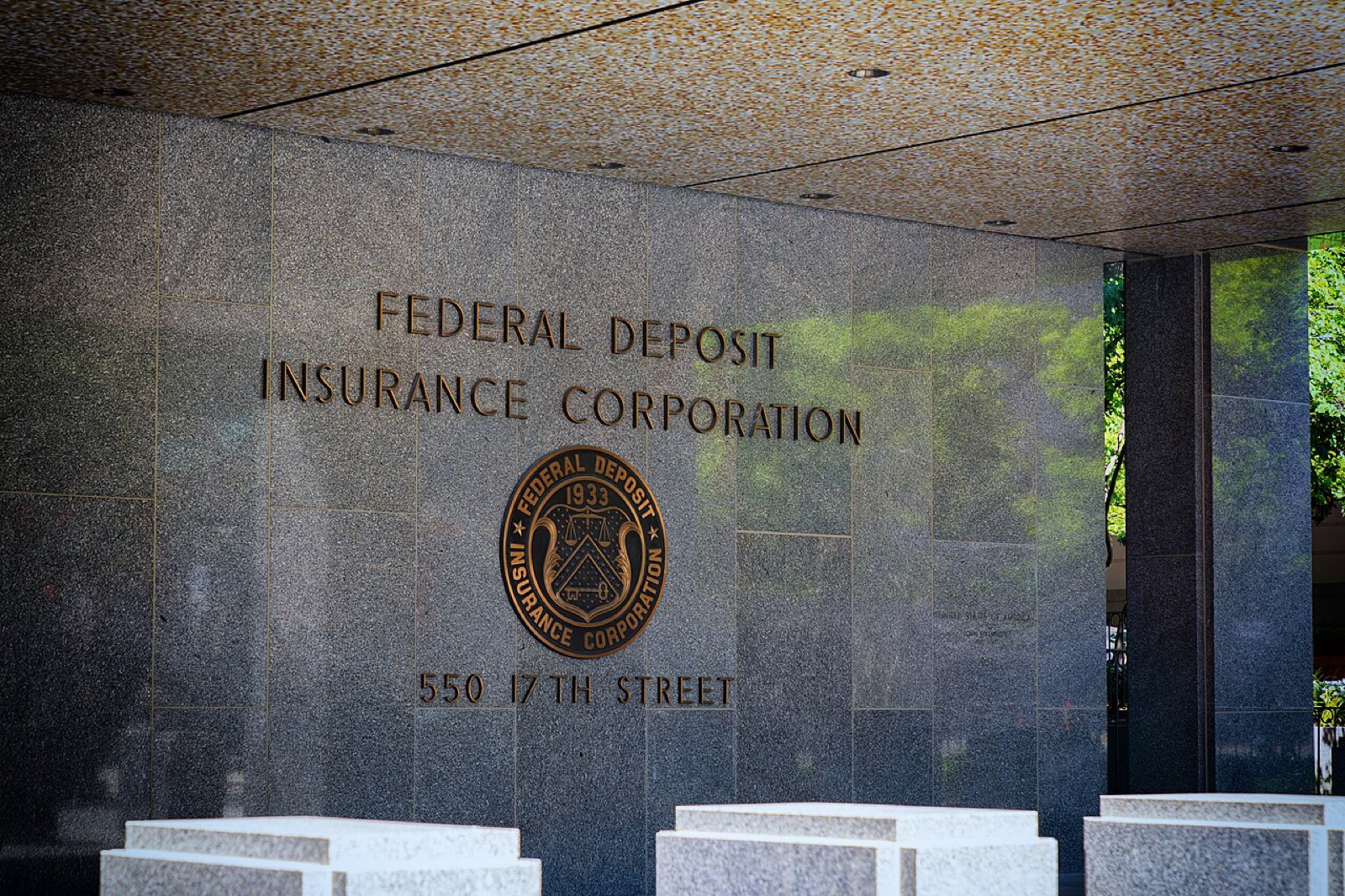
The Banking Act of 1933 promised that the government would stand behind ordinary bank deposits. The banks fought it and the president doubted it. It ended the age of bank runs for half a century.
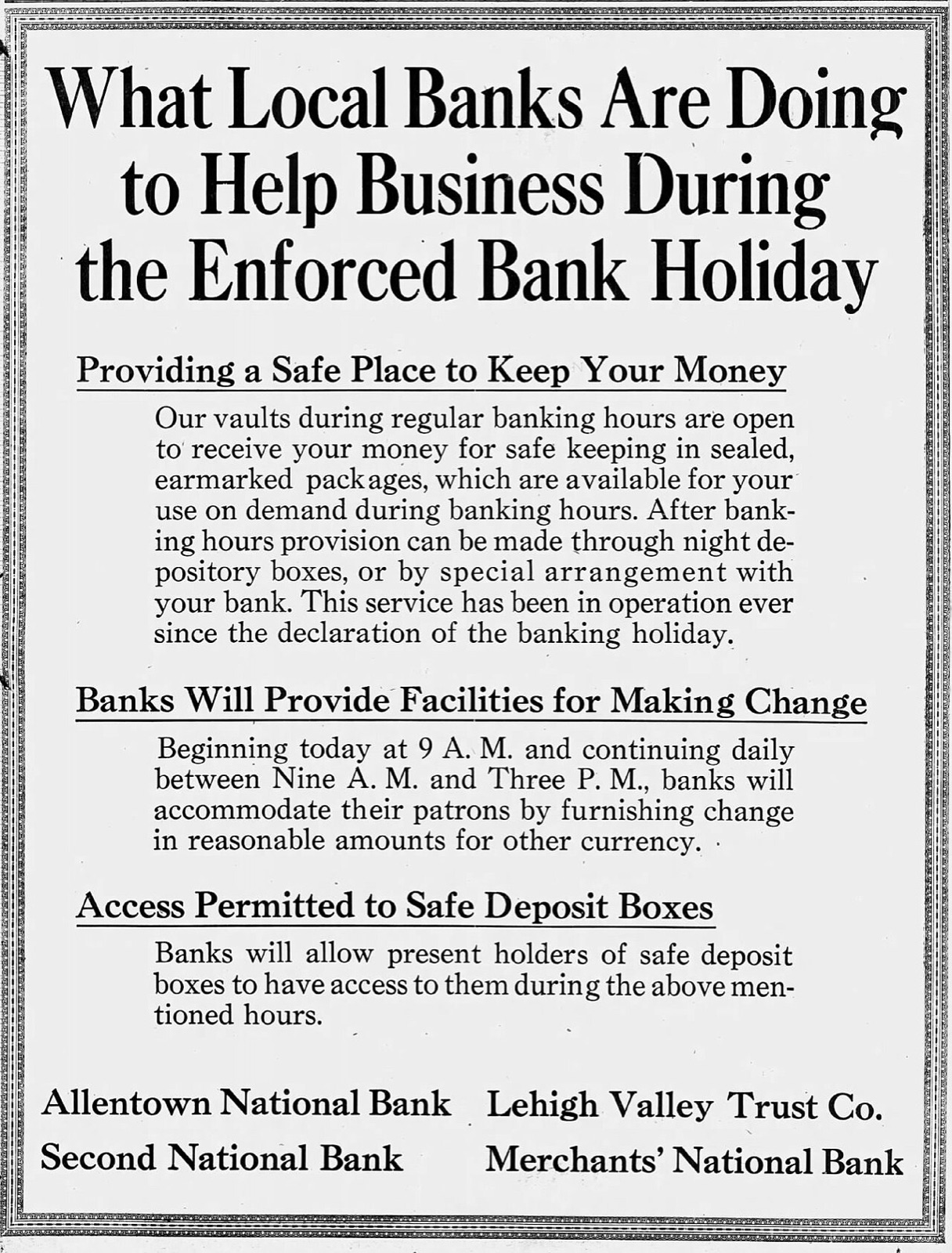
On his second day in office, Franklin Roosevelt closed every bank in the country. A week later they began to reopen, and Americans carried their cash back in.
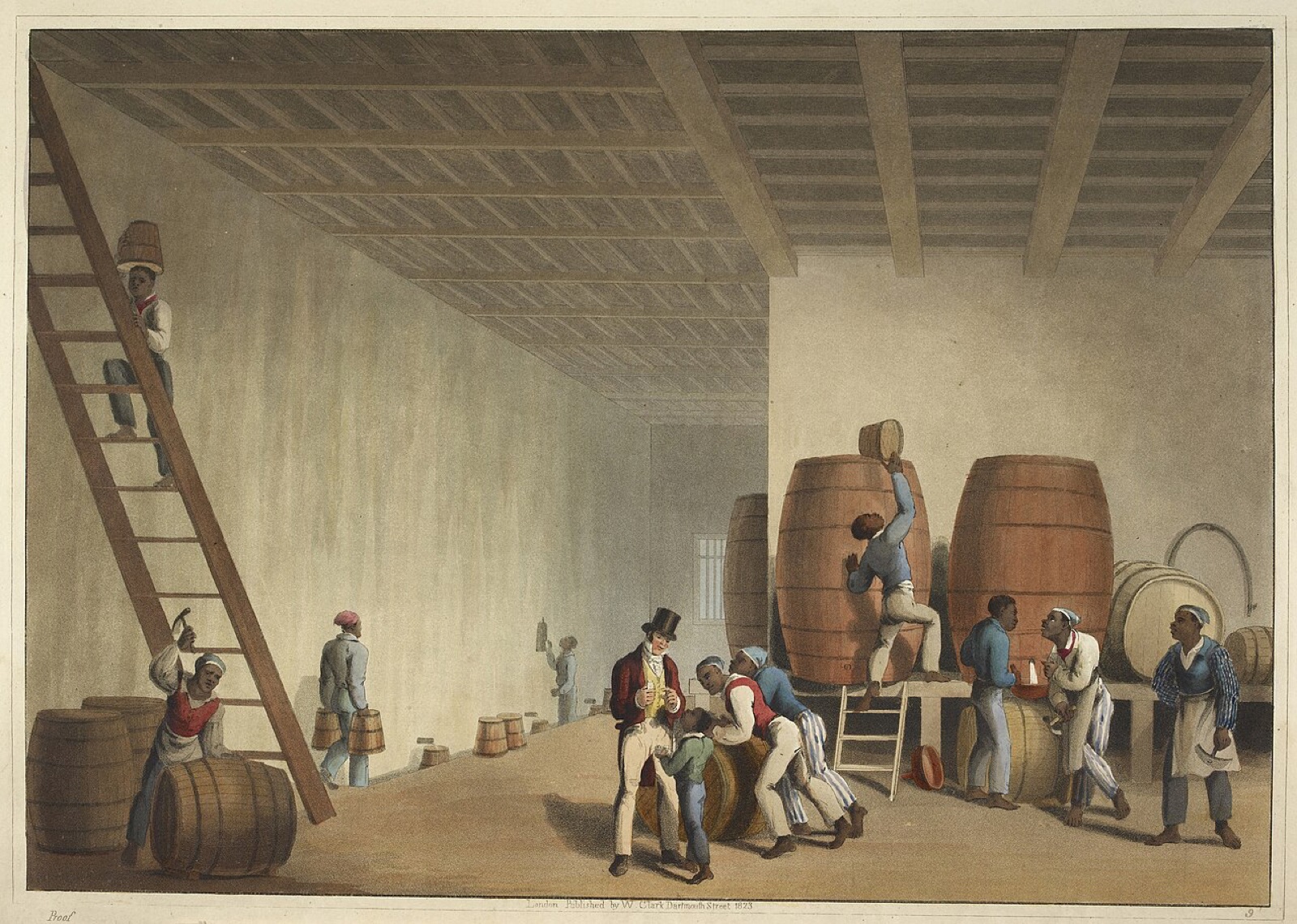
The Molasses Act of 1733 put a heavy tax on foreign molasses and almost nobody paid it. The crisis came thirty years later, when Britain cut the tax and started collecting.
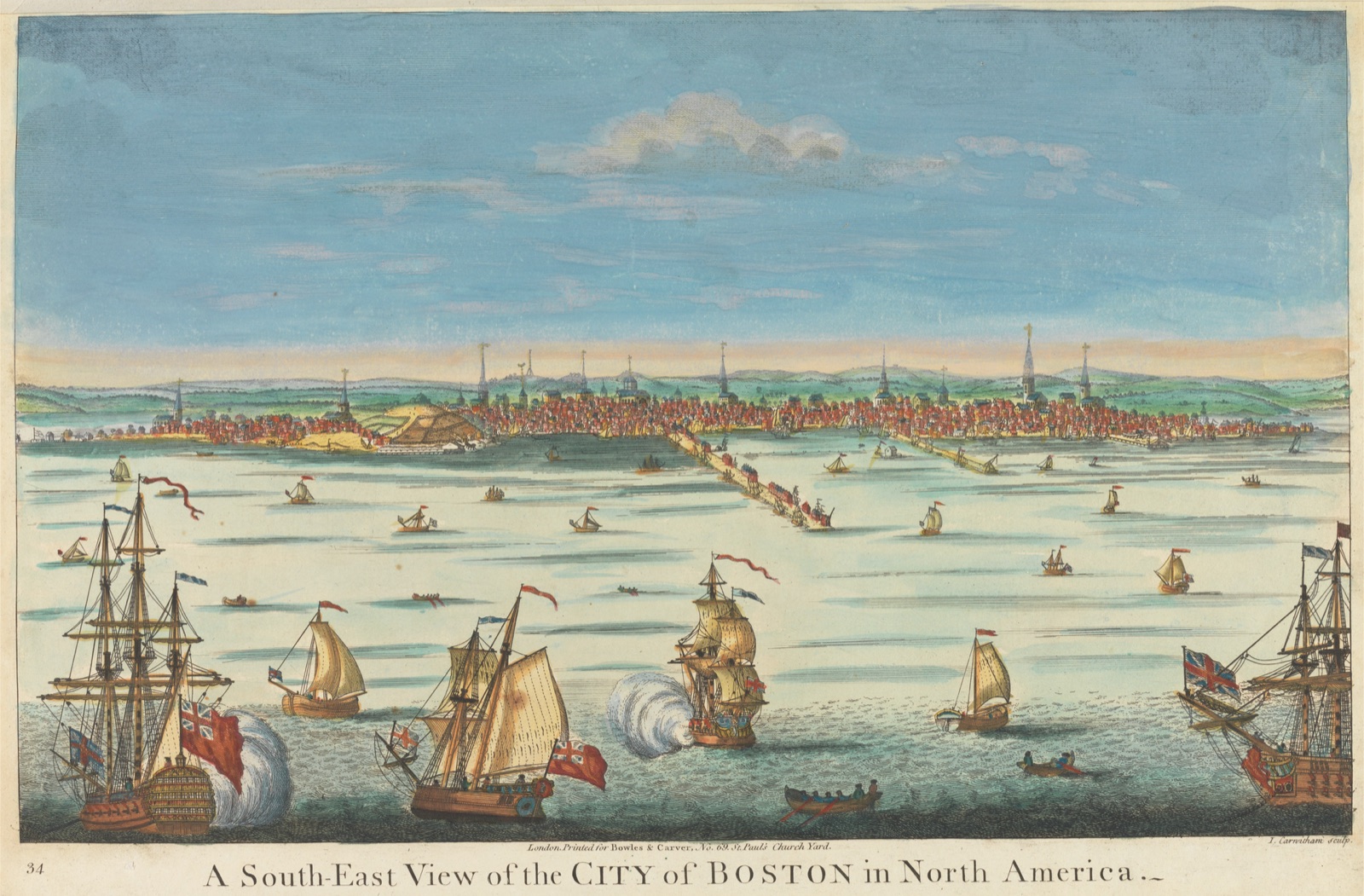
When legal trade was forced through England, colonial merchants built a second trade beside it. By 1700 that second trade was a business, not an exception.
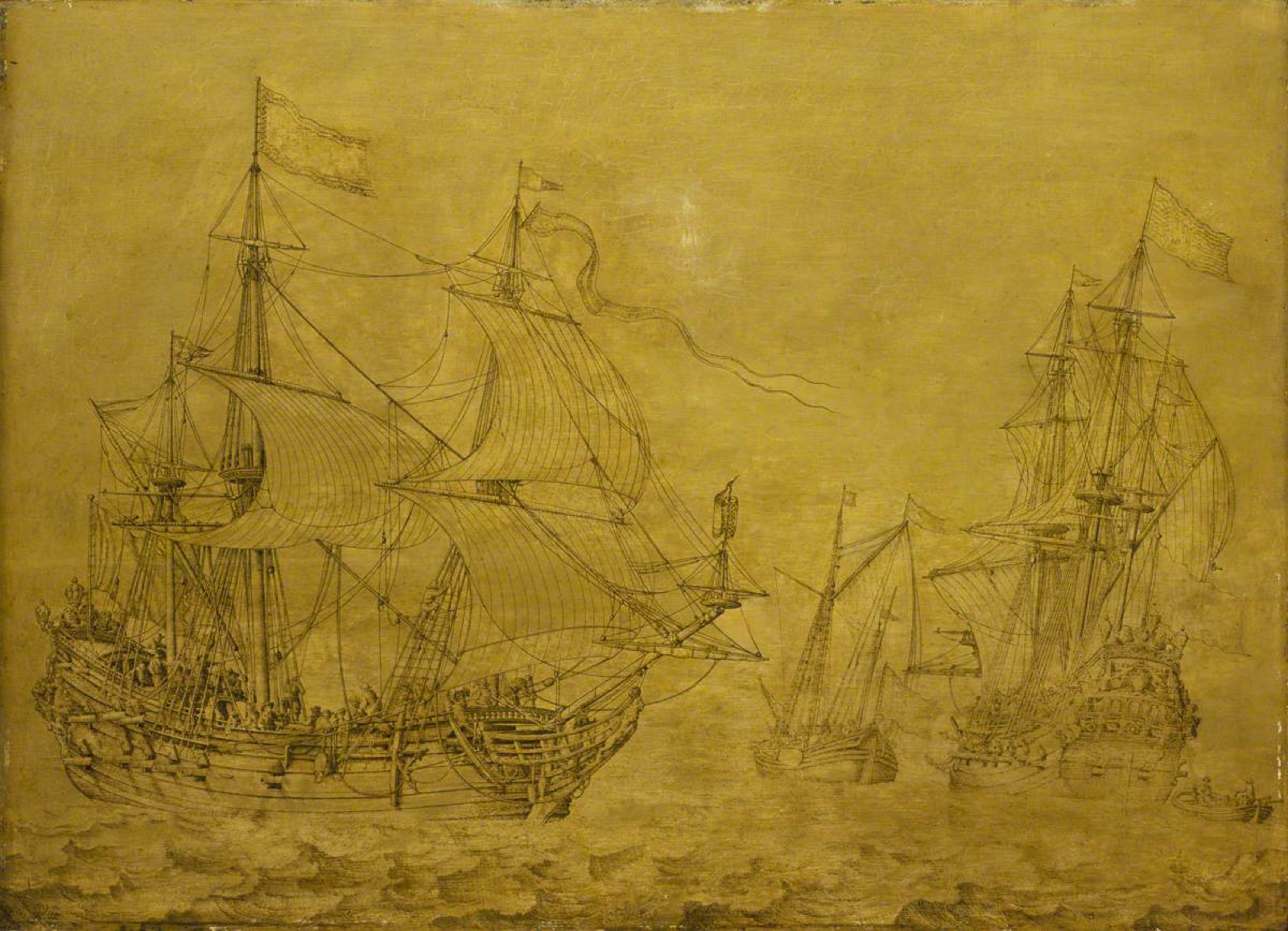
England wrote the Navigation Acts to keep colonial trade inside English ships and English ports. The colonies learned to trade around the law.
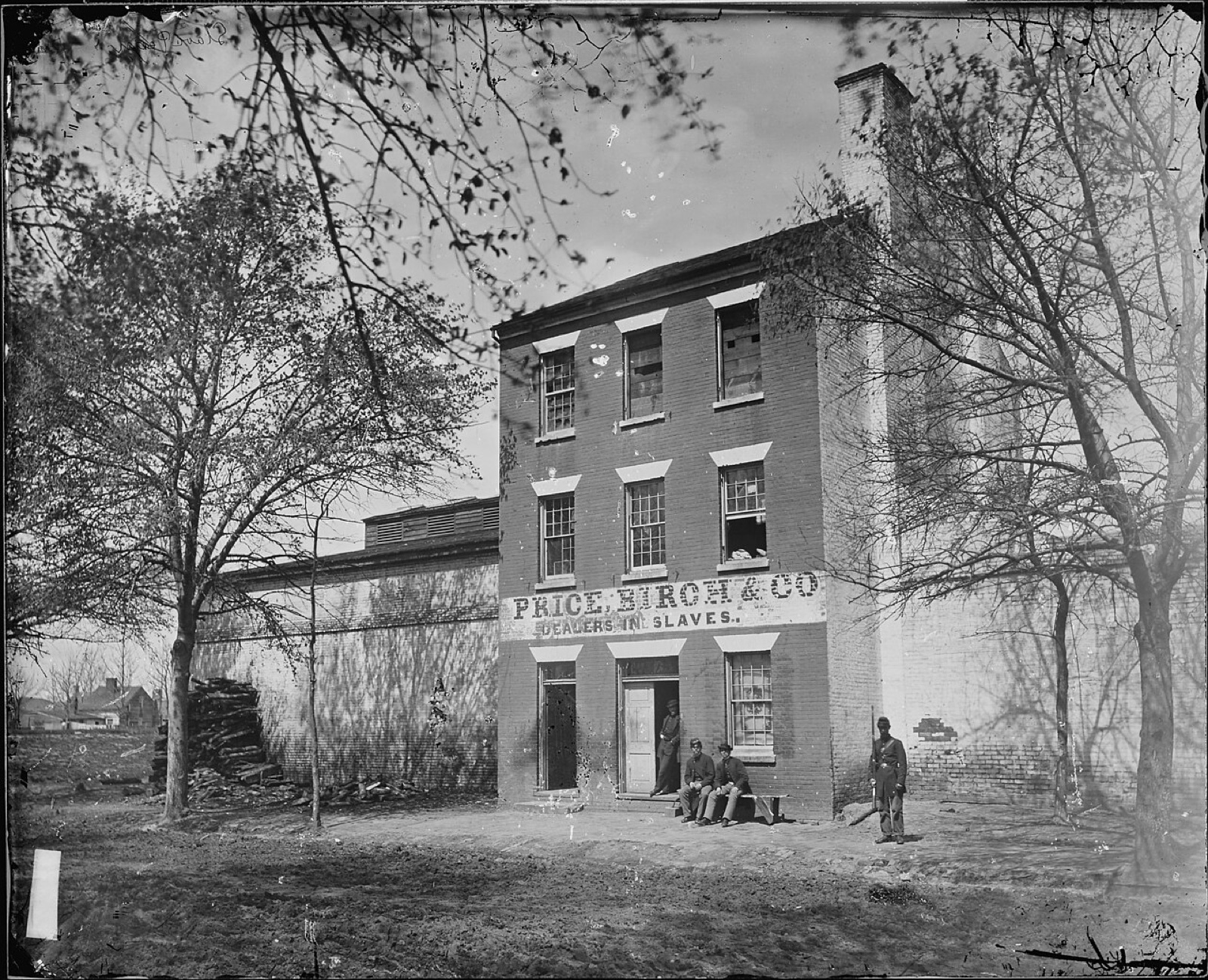
The Virginia slave code of 1705 did not invent slavery. It gathered decades of harsher rules and made them one system.
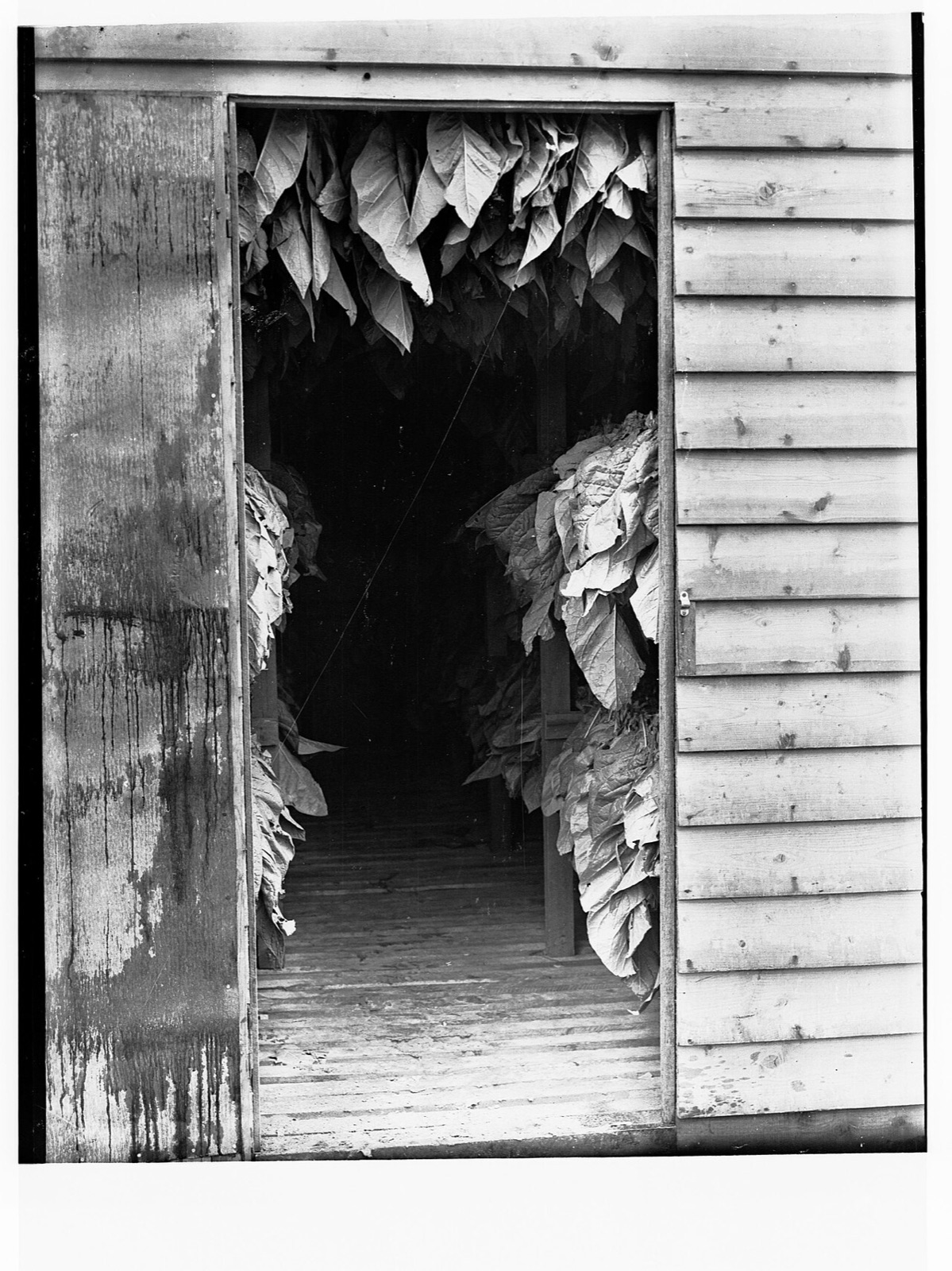
England did not send the colonies enough coin. Virginia made tobacco do the work of coin, and then spent decades fighting the consequences.
One email when the paper publishes: what happened, what it means for your money, and the history behind it.