Economy
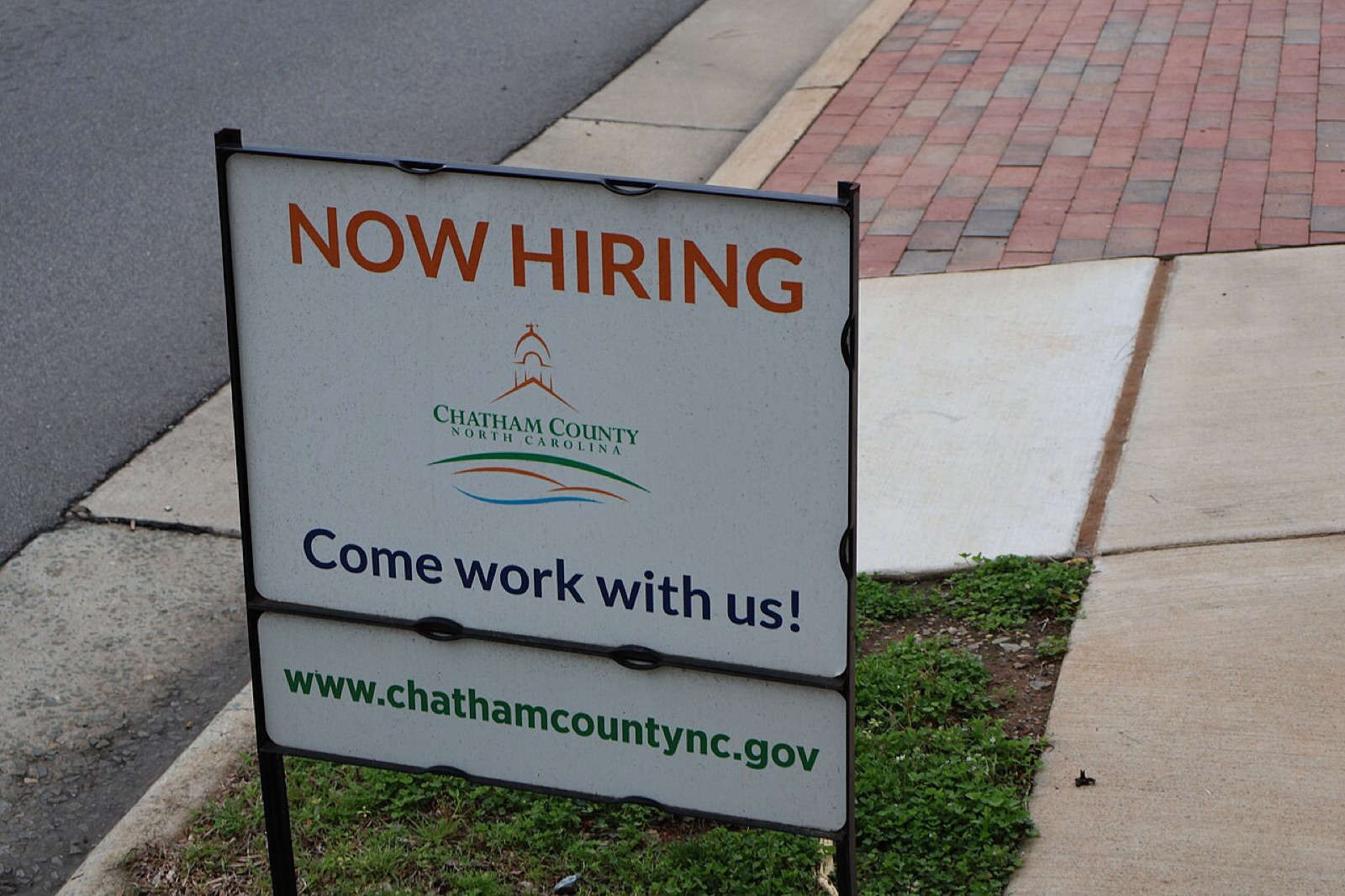
America added 29,000 jobs. That sounds big. It isn’t.
Employers are barely hiring. People who already have a job are mostly safe. People looking for one are not. This is the whole story, in ordinary words.
Jobs, prices, wages and the household budget.
Employers are barely hiring. People who already have a job are mostly safe. People looking for one are not. This is the whole story, in ordinary words.
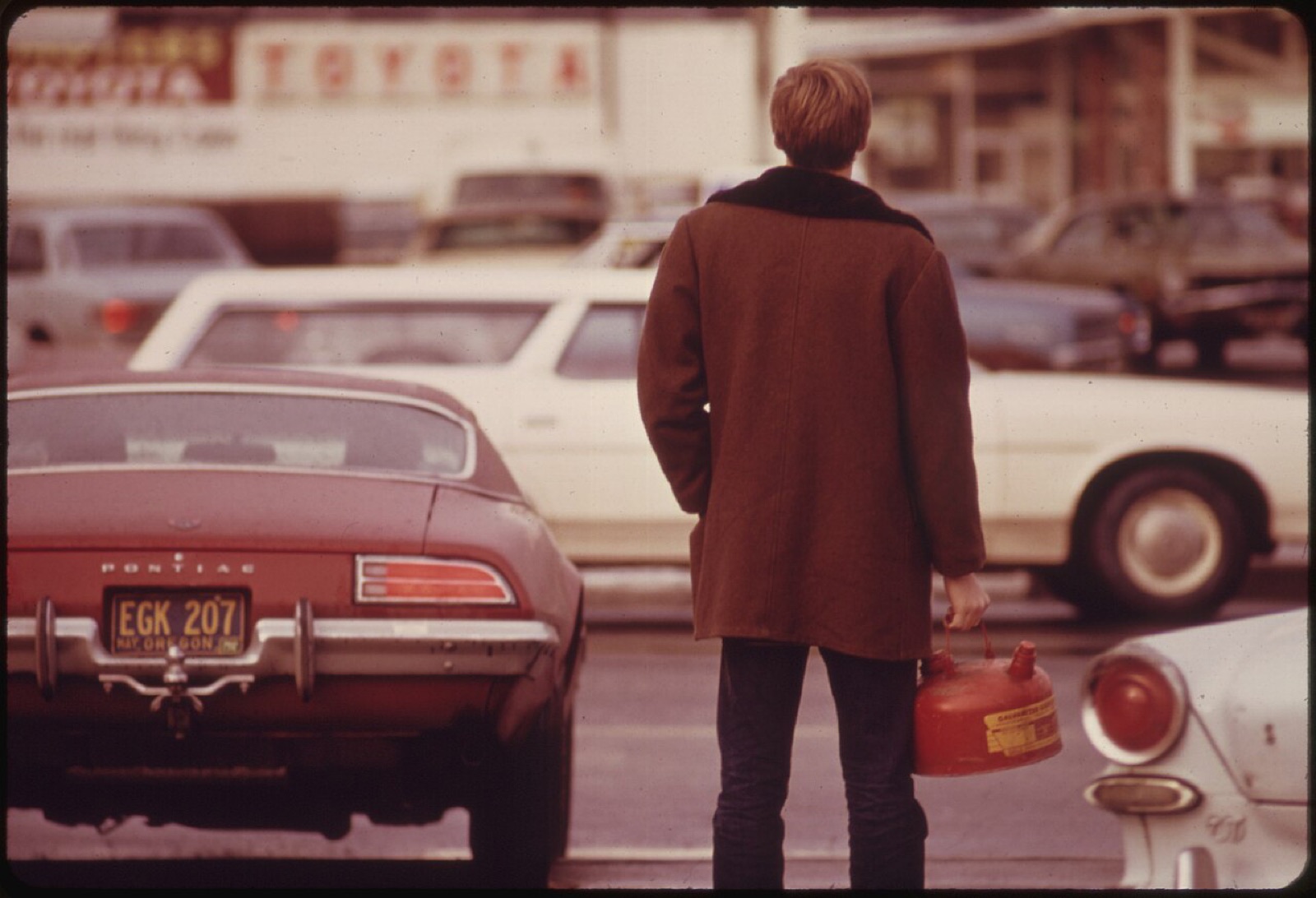
In October 1973, Arab oil producers cut supply and stopped shipments to the United States. Within months the price of a barrel had roughly quadrupled, and Americans learned how much of their life ran on imported oil.
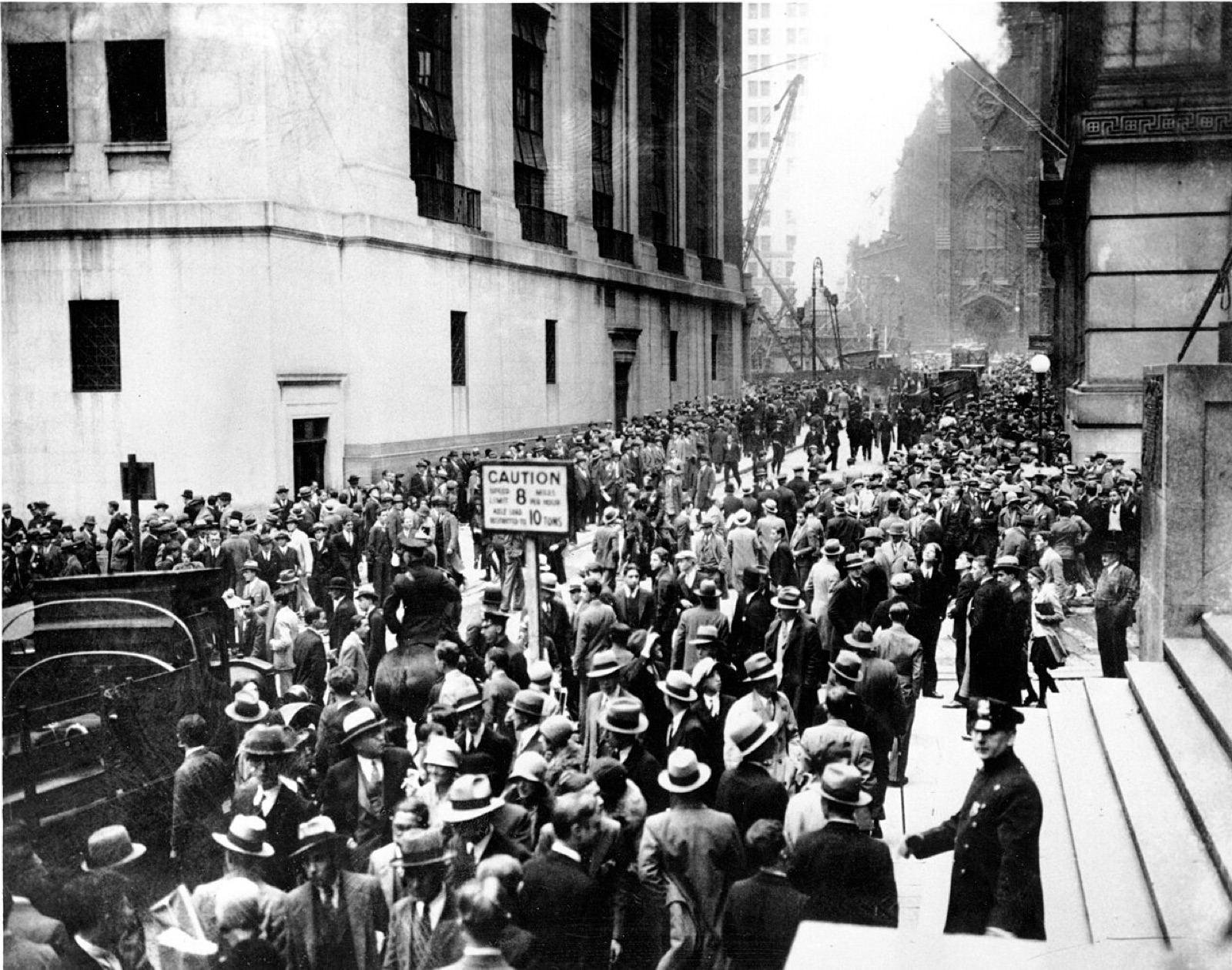
In the last week of October 1929, the stock market lost a quarter of its value in two days. Most Americans owned no stock. Almost all of them paid for what came next.
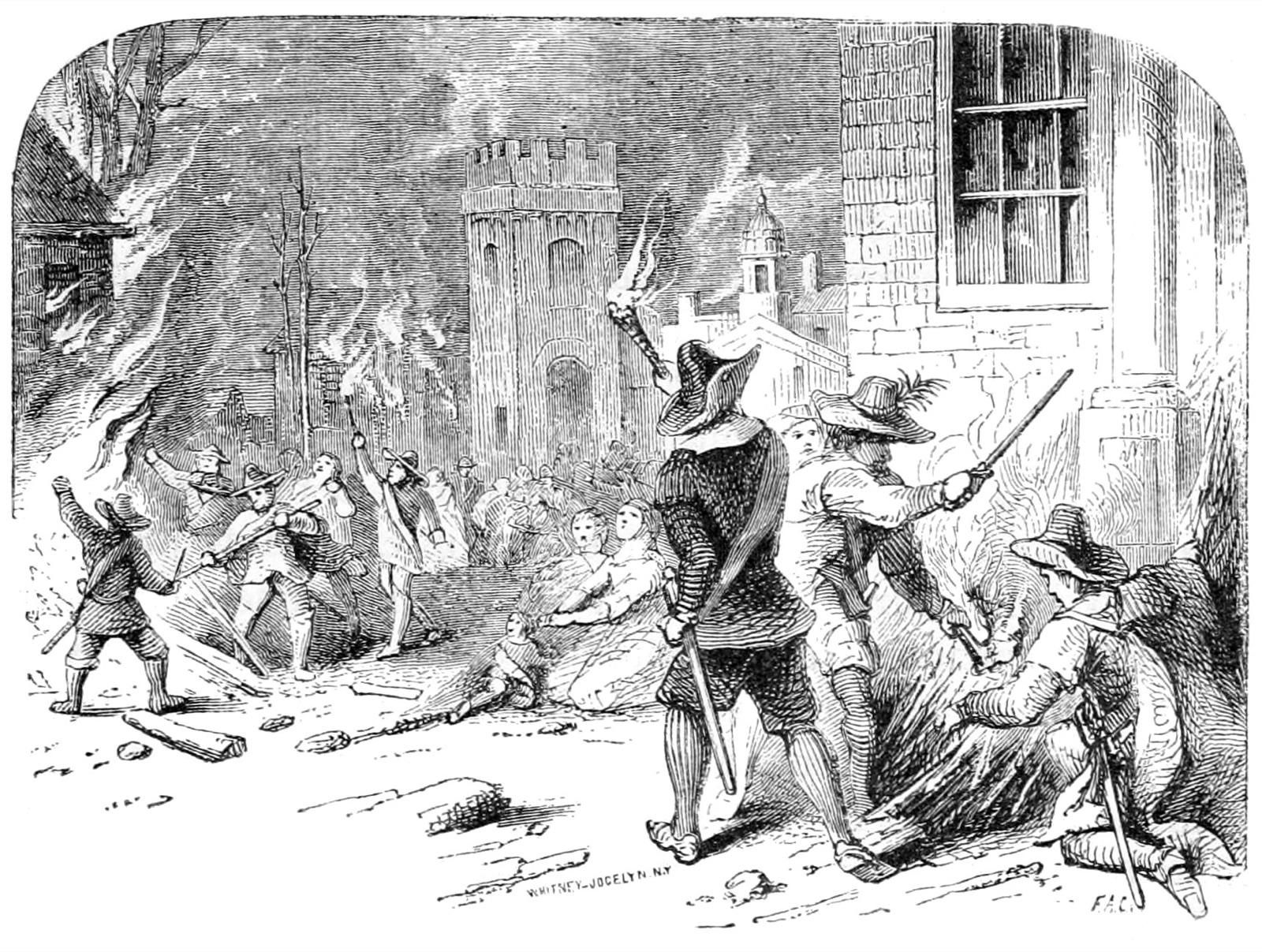
In 1676, Virginia’s frontier and Virginia’s elite went to war with each other. Jamestown burned. The labor system that followed was not an accident.
Tobacco did not just tire the soil. Worn-out fields became the reason to take the next tract, and then the one after that.
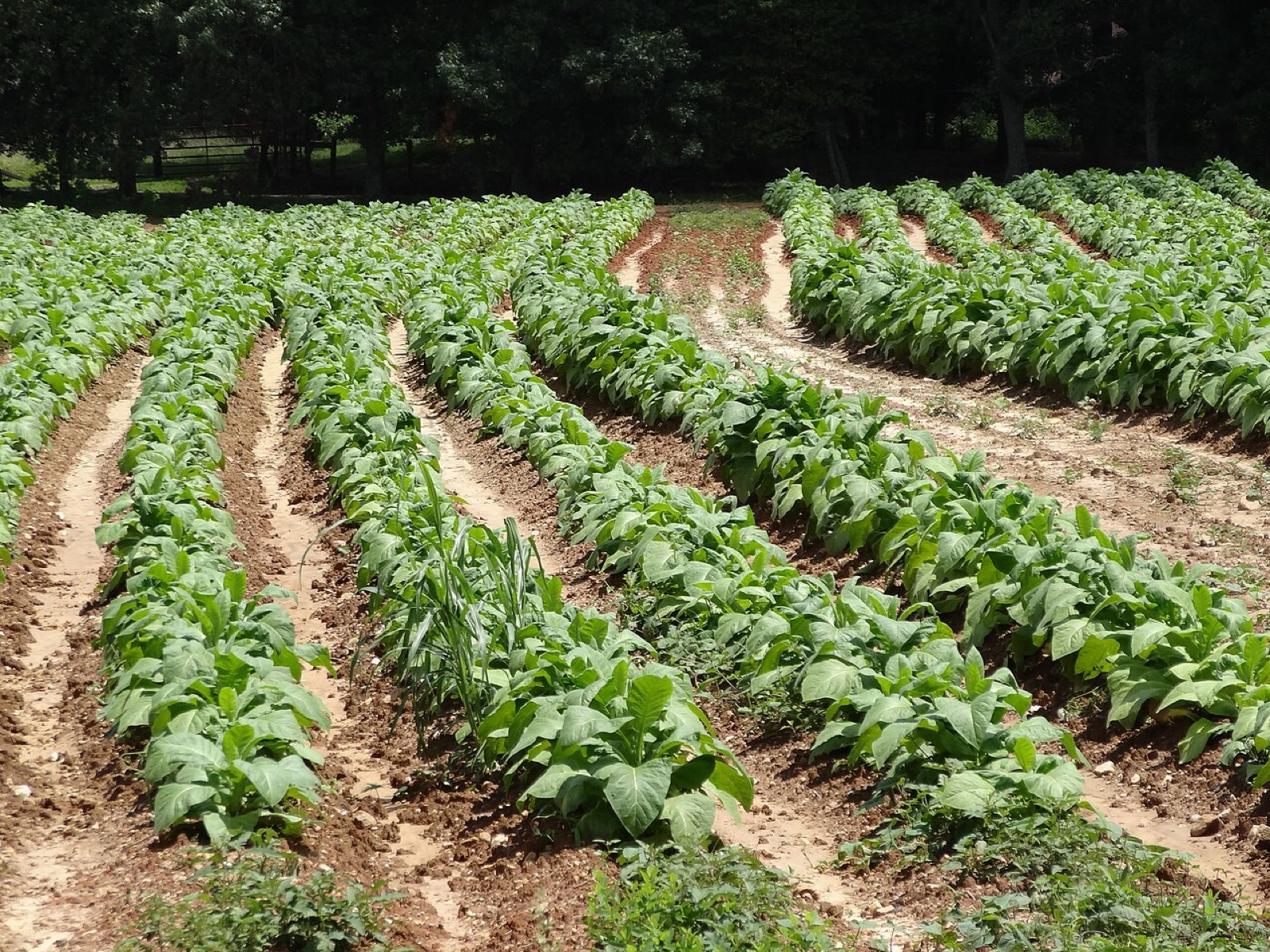
Tobacco gave Jamestown a price. Then the price pushed food, safety, and the company itself off the land.
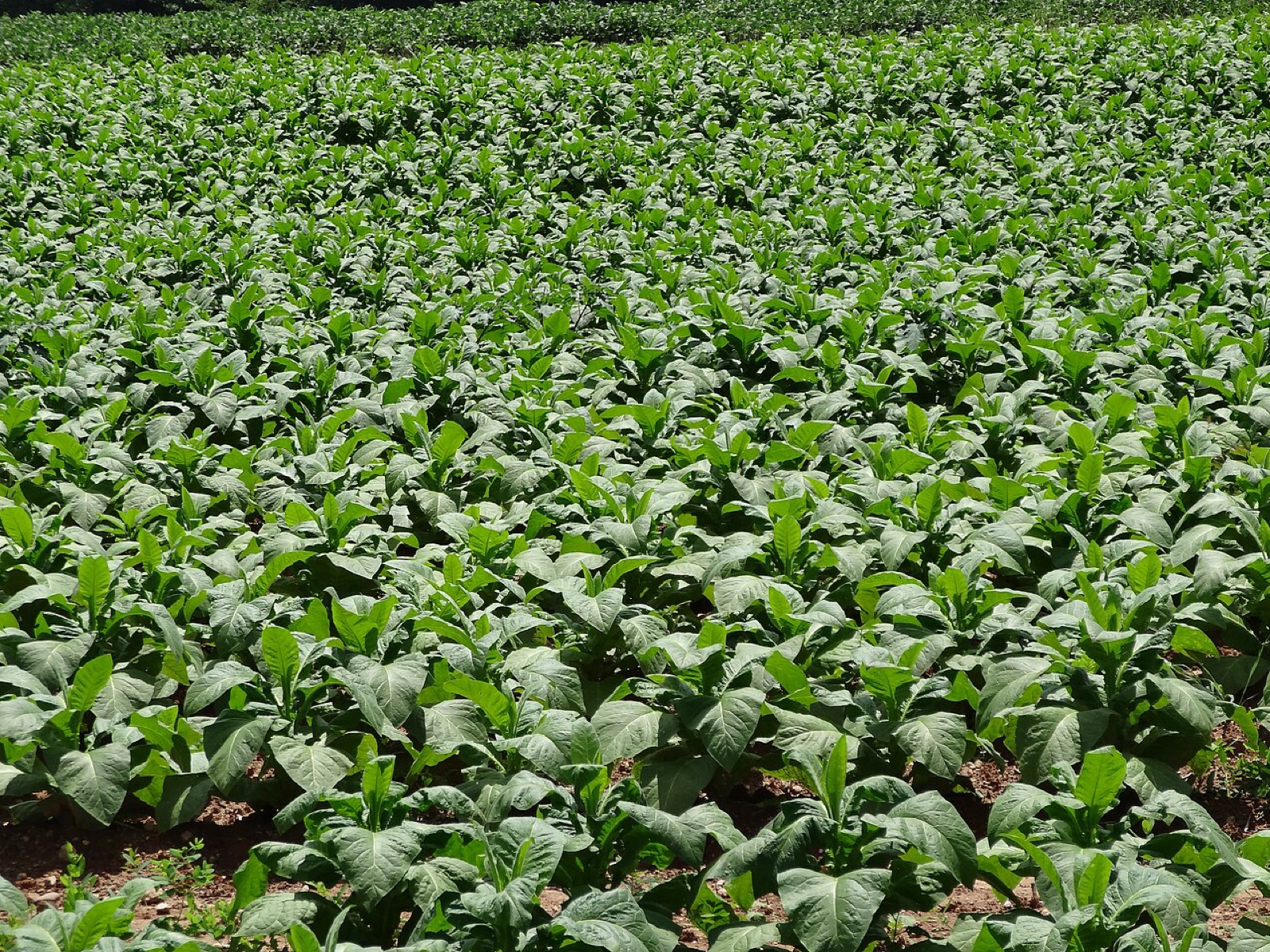
John Rolfe planted a tobacco the English market would actually buy. The story of a single theft under a death sentence is mostly legend. The boom that followed was not.
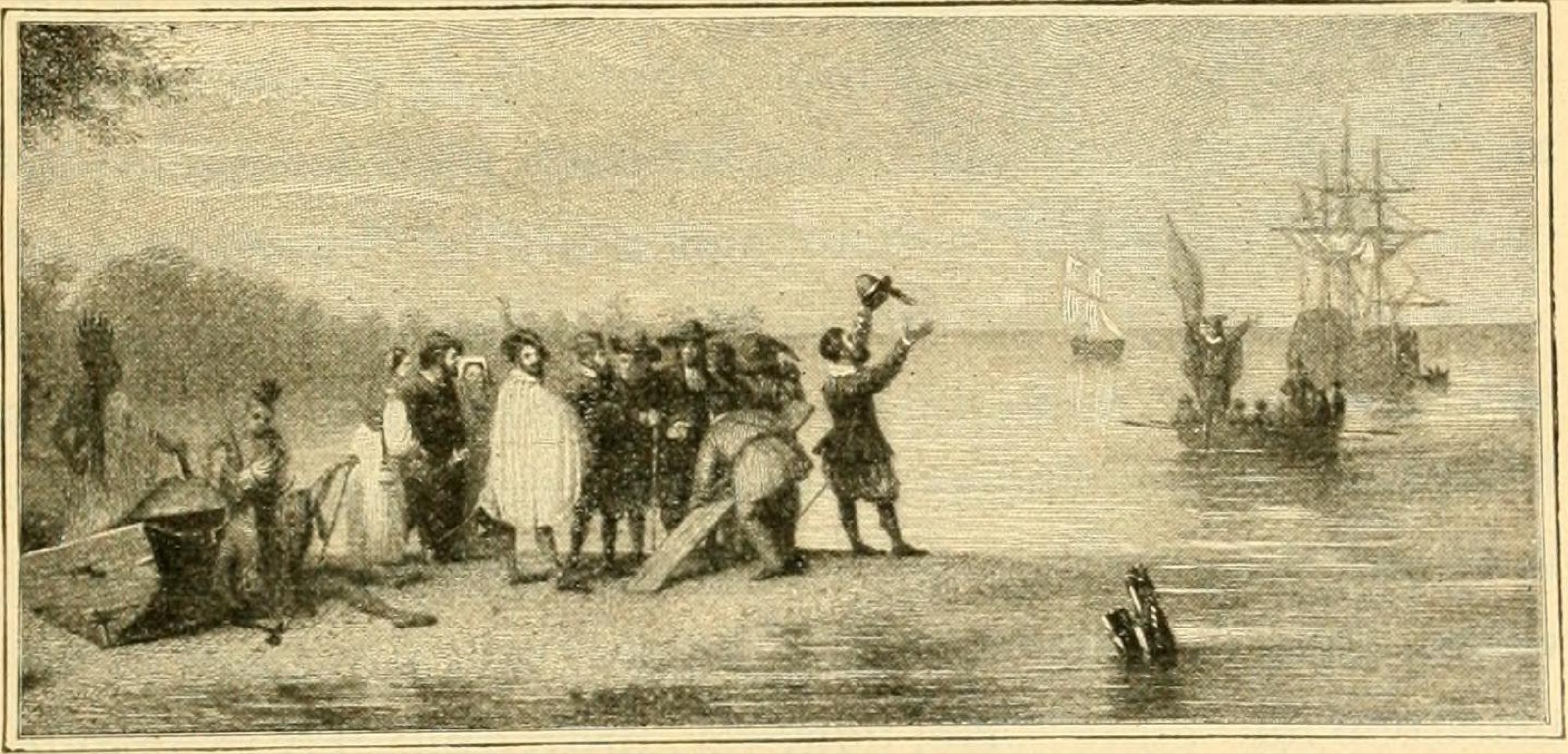
In the winter of 1609, the Virginia Company’s colony collapsed inside its own fort. About sixty people walked out. The company kept raising money.
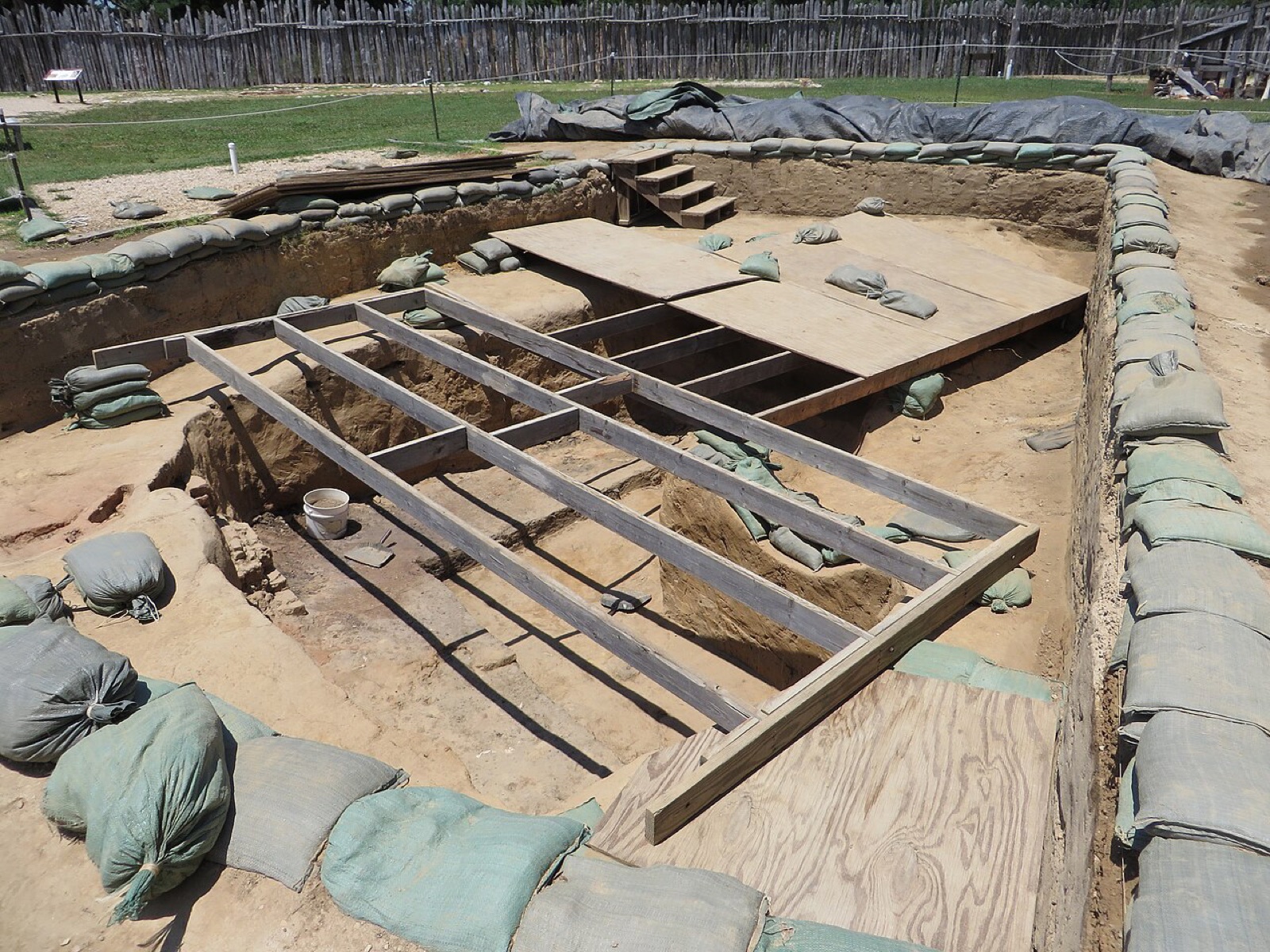
Virginia Company investors bet £6,000 on a colony that nearly starved to death. The share price held. The people inside the fort did not.
One email when the paper publishes: what happened, what it means for your money, and the history behind it.