The Fed’s October decision was still ahead on Tuesday
The Federal Reserve began its two-day meeting October 27. As of publication, the decision had not been announced; inflation, jobs and borrowing costs were in focus.
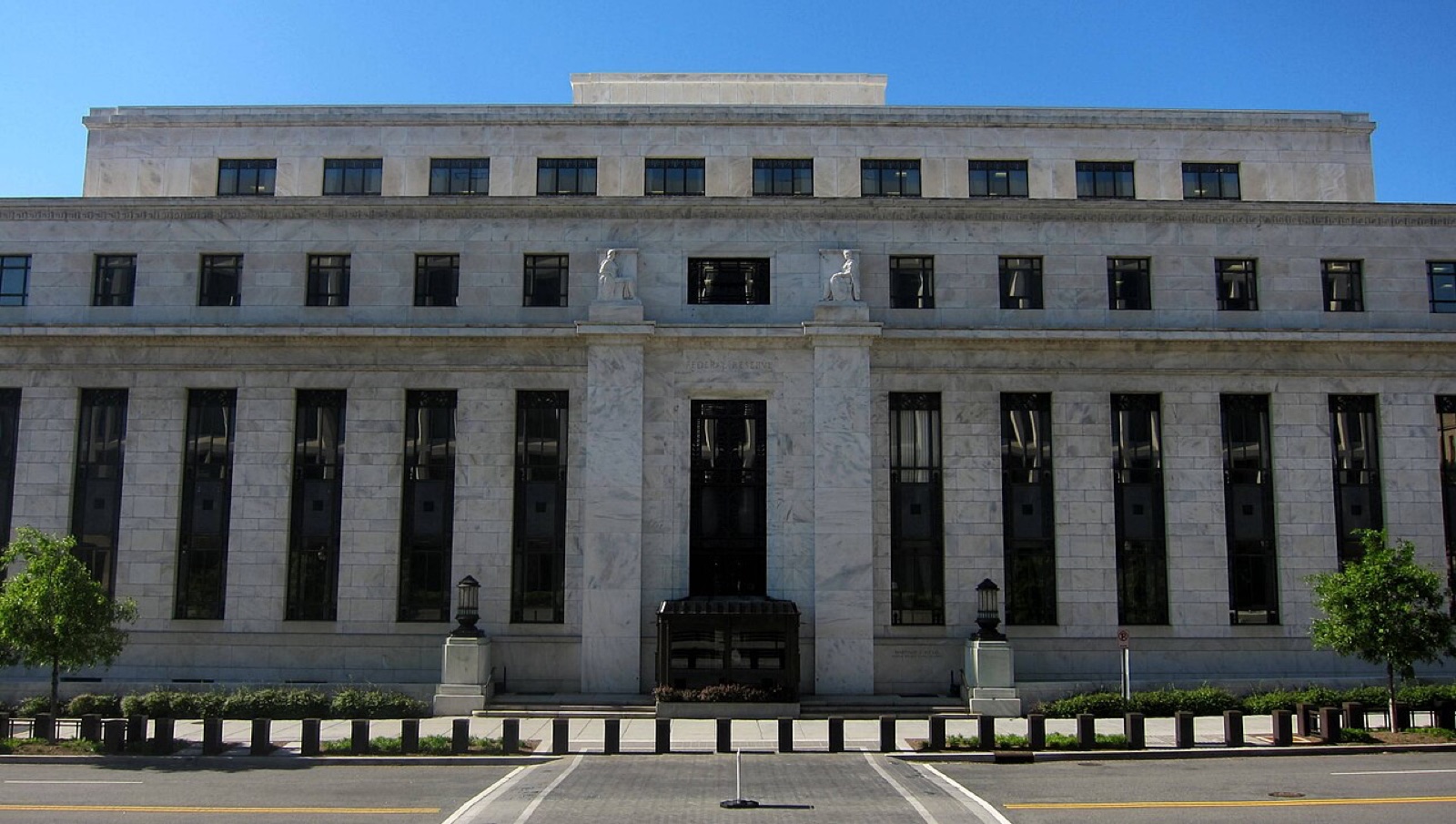
Published October 27, 2026. This is a preview of the Federal Reserve’s meeting ending October 28. The decision was not yet public when this article was written.
The Federal Open Market Committee began a two-day meeting on Tuesday, October 27. As of WallPost’s publication deadline, the committee had not announced its decision. The central question was whether officials would keep the benchmark rate steady after September’s increase or raise it again in response to persistent price pressure.
What the Fed has to weigh
The Fed has a dual mandate: maximum employment and stable prices. Those goals can pull against each other. Higher interest rates can cool demand and help slow inflation, but they can also make homes, cars and business investment more expensive. If borrowing becomes too costly, employers may slow hiring and households may cut spending.
In September, the Fed raised its target range by a quarter point to 3.75 to 4 percent. It was the first increase in three years. Since then, the September CPI report showed prices up 3.7 percent over the year and 0.6 percent for the month, with gasoline up 9.1 percent. The employment report showed 29,000 jobs added in September, while revisions lowered July and August by a combined 60,000.
Why the decision matters to households
The Fed does not set the exact interest rate on every mortgage, credit card or car loan. Its benchmark influences financial conditions, while lenders also consider market rates and borrower risk. A new borrower may face different offers after the decision. Existing fixed-rate mortgage payments generally do not change just because the committee meets.
Credit-card and some adjustable-rate debt can respond more directly to policy changes. If the Fed holds, those costs do not suddenly disappear. If it raises, the effect depends on the contract and lender. The decision is one influence on a household budget, alongside wages, prices and other loan terms.
What to read in the announcement
The rate decision is only one part of the release. The statement describes the committee’s view of the economy and inflation. The vote shows whether members agreed. The chair’s press conference can explain how officials interpret new data and what could change their thinking. None of these documents guarantees a specific path for future rates.
As of Tuesday’s publication, WallPost could not responsibly report the outcome. The meeting was still in progress. This preview records the questions readers could follow and the facts already available. We will report the decision after the Federal Reserve releases it, with the announcement date and its implications explained separately from this pre-decision article.
The calendar showed that the statement was scheduled for Wednesday afternoon, followed by a news conference with the Fed chair. Those are separate opportunities for the committee to explain its decision: the written statement gives the formal vote and summary, while the press conference allows questions about the outlook. Until both were public, readers could not know the committee’s final reasoning or the chair’s explanation.
Sources
Spotted an error? Tell the editor. Corrections are logged on our corrections page.