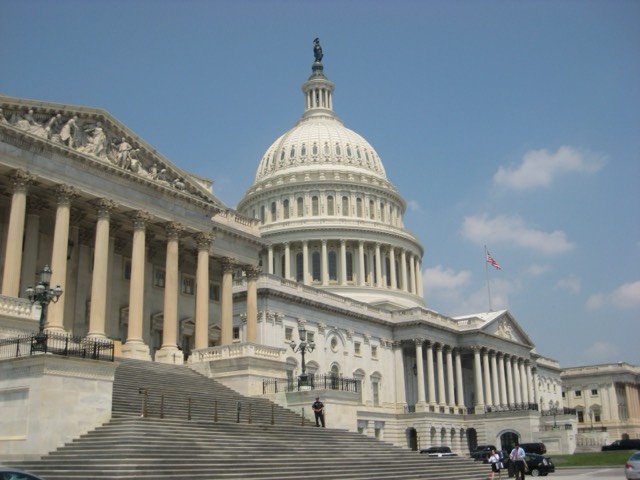
A three-day funding gap disrupted federal work and delayed economic data
A short lapse in federal funding began January 31 and ended February 3. The missed deadline did more than interrupt government offices: it delayed a jobs report used by families, companies and policymakers.
Published October 27, 2026. This article examines the January 31 to February 3 funding lapse.
The federal government entered a partial shutdown at the end of January, then reopened after Congress passed a funding package and the president signed it on February 3. The lapse lasted three full days, according to the Congressional Research Service. It came only months after a much longer shutdown had ended, and it left a practical mark on the economy: the monthly jobs report did not arrive on its scheduled day.
How a shutdown happens
Congress must pass spending laws, or a temporary extension, to keep many federal agencies operating. When the authority to spend expires before a replacement is signed, affected agencies have to stop work that is not legally allowed to continue without funding. Some workers are furloughed. Others perform essential duties and receive delayed pay. Programs with another funding source may continue, so “government shutdown” does not mean every office or service closes in the same way.
This particular funding deadline covered several agencies because not all spending bills had been completed by January 30. The House was away when the Senate's package was ready, and the temporary funding authority ran out. The disagreement was also tied to a separate fight over how to fund the Department of Homeland Security. The result was a short lapse for a portion of the federal government, not a single blanket closure of every service.
The cost of missing a report
The Bureau of Labor Statistics postponed the January employment report that had been scheduled for February 6. The report combines two surveys: one asks businesses about payroll jobs, and another asks households about work and unemployment. Investors use the numbers, but so do employers setting budgets, local governments planning services and families trying to understand whether hiring is strengthening or weakening.
A delayed release is not the same as a bad jobs report. The shutdown did not itself tell anyone whether employment rose or fell. It created a period when decision-makers had less timely information. That distinction matters because people often treat the date on an economic release as a small detail. In reality, the schedule determines when the public can respond to a change.
What the funding deal did
The February 3 law funded most of the covered agencies through the end of the fiscal year, September 30. It gave Homeland Security only a short extension, through February 13, while lawmakers continued negotiating. That split ended one funding gap but left the underlying disagreement unresolved. It also set up a second, longer DHS funding lapse later in February.
The bill was not a permanent answer to every budget dispute. It was a practical bargain to reopen affected agencies and postpone one part of the fight. Federal employees returned to work, but the delay in the data calendar remained. A report can be issued after an interruption; the missed days cannot be put back into the decision cycle.
Why ordinary households should care
For most people, a three-day shutdown may not be visible at the grocery store. Its effects depend on which office or service a person needs. A delayed federal worker paycheck can matter to a local business. A postponed report can leave a borrower or employer unsure whether the economy is changing. Workers who were furloughed generally receive back pay under federal law, but uncertainty about when the paycheck arrives can still create stress.
The larger lesson is that government funding is part of the economy's information system. When Congress misses a deadline, the effects reach beyond the agencies in Washington. They can alter public services, household cash flow and the timing of statistics that everyone uses to make decisions.
Congressional Research Service, Federal Funding Gaps · Associated Press, delayed jobs report during the shutdown · Congressional Record, February 3
Sources
Congressional Research Service, Federal Funding Gaps: A Brief Overview; Associated Press, February 2, 2026; U.S. Congress, Congressional Record, February 3, 2026. everycrsreport.com govinfo.gov
Spotted an error? Tell the editor. Corrections are logged on our corrections page.