December inflation held at 2.7 percent, but groceries rose
The final CPI report of 2025 showed prices up 2.7 percent over the year. Shelter and food rose in December even as gasoline fell.
Published October 27, 2026. This retrospective examines the December 2025 CPI report, released January 13, 2026.
Consumer prices rose 0.3 percent in December and were 2.7 percent higher than a year earlier. That was the same annual increase as November. The report closed 2025 with inflation well below its earlier peak, but it did not mean household bills were going down.
What moved in December
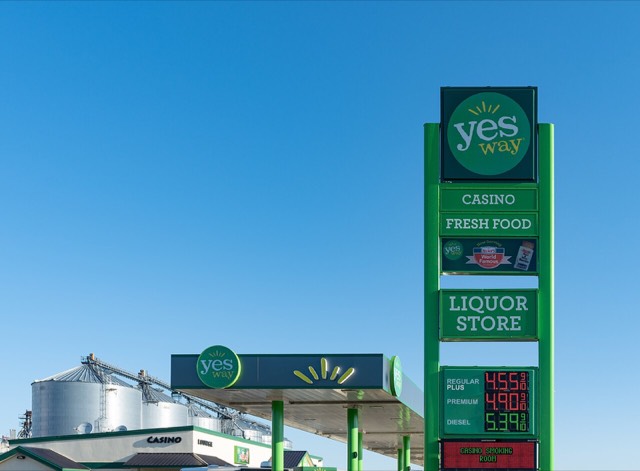
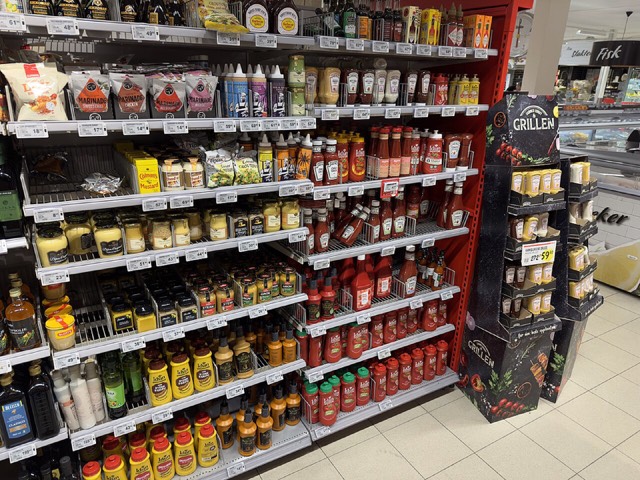
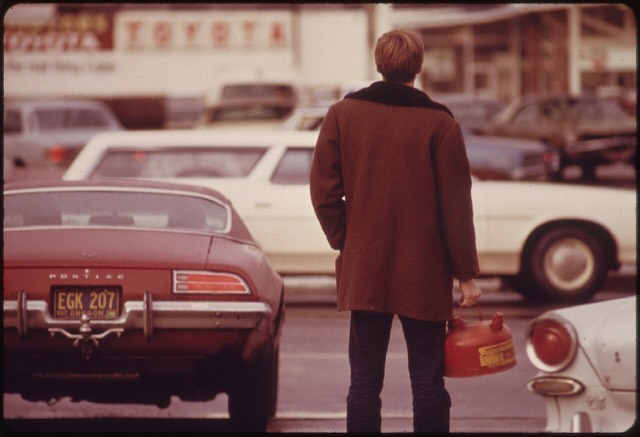
Shelter prices increased 0.4 percent and were the largest contributor to that month’s overall increase. Food rose 0.7 percent, including groceries and restaurant meals. Energy rose 0.3 percent, though gasoline fell 0.5 percent on a seasonally adjusted basis. The core index, which excludes food and energy, increased 0.2 percent in December.
The different categories explain why consumers can experience a different cost pattern from the national average. A household spending a large share on rent and groceries may feel more pressure than a driver who benefited from lower gasoline prices. CPI weights categories to represent a typical urban consumer, not to calculate each family’s own inflation rate.
Lower inflation is not lower prices
The 2.7 percent annual rate measures how much the basket cost more than a year earlier. If inflation slows, prices can continue rising at a gentler pace. A family that paid more for groceries through the year does not automatically receive those increases back when the annual rate stabilizes.
That difference between the rate and the level of prices is central to household economics. A monthly bill can remain high even when inflation improves. To see a genuine price decline, the cost of the item itself must fall, and the December report showed declines in some categories but increases in others.
What the report left out
The BLS CPI covers urban consumers and uses a defined basket. It is a broad statistical measure, not a survey of every expense or a statement about wages. A family can have personal inflation above or below the national figure depending on where it lives and what it buys. Housing arrangements, health costs and transportation needs can change the mix considerably.
The report also came after a lapse in federal appropriations disrupted collection of some earlier price data. The official release notes that October and November 2025 CPI values were unavailable. Readers should know that gap when comparing nearby monthly data. The missing observations do not justify inventing or estimating a number.
Why it mattered at the start of 2026
The December report set a baseline for the new year: annual inflation was 2.7 percent, shelter and food were rising, and gasoline had fallen for the month. Later reports would show how costs changed under new conditions. WallPost preserves the original release date and measure so the year’s subsequent inflation story can be understood against the information available at the time.
The report’s release was delayed until January 13 because federal appropriations had lapsed in the fall. BLS said October and November 2025 CPI values were unavailable, so the published series did not provide those monthly readings. That data gap limits some comparisons and is part of the record readers need in order to understand the report correctly.
Sources
Spotted an error? Tell the editor. Corrections are logged on our corrections page.