Before the oil shock, February inflation was 2.4 percent
The February CPI report was released just days after the Iran war began. Its numbers mostly described prices before the oil disruption had reached U.S. households.
Published October 27, 2026. This article examines the February inflation report and the timing of its release.
Consumer prices were 2.4 percent higher in February than a year earlier, the Labor Department reported on March 11. That report arrived less than two weeks after the U.S.-Israeli war with Iran began on February 28. The timing is crucial: the February index was collected before much of the new oil disruption could appear in the prices paid by American households.
A report looks backward
The Consumer Price Index is released in the month after it measures. February's report described prices during February, not the day the report came out and not the cost of gasoline after the war began. A market can react to a new event immediately. A monthly price index takes longer to reflect the event because it records what consumers paid across the month.
That lag is why the 2.4 percent headline was not evidence that the conflict had no effect on inflation. At the time the BLS released the number, the oil shock was a new risk to watch, not yet a full part of the February data. Economists and policymakers had to separate what the report proved from what it could not yet measure.
What families were paying for
The February report showed overall prices rising 0.3 percent from January after seasonal adjustment. Core CPI, which excludes food and energy, also rose 0.3 percent for the month and 2.5 percent over the year. Shelter increased 0.3 percent in the month. Those categories matter because rent and housing costs affect many households regularly and can remain elevated even when fuel prices ease.
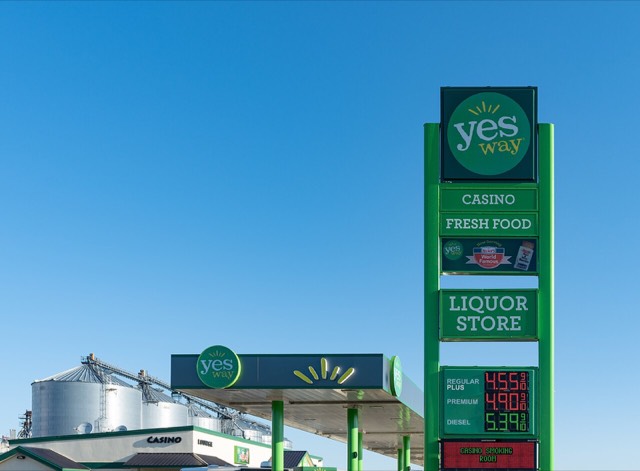
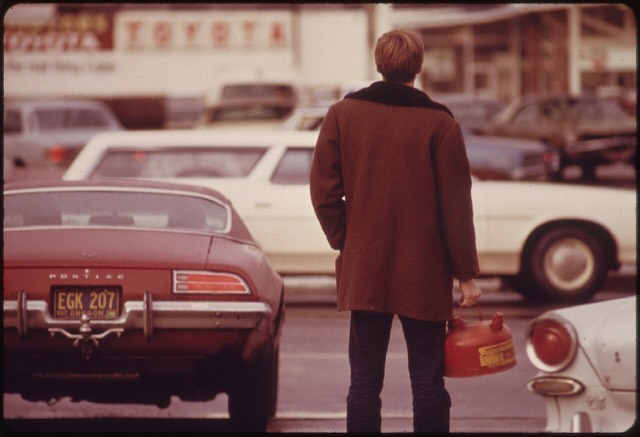
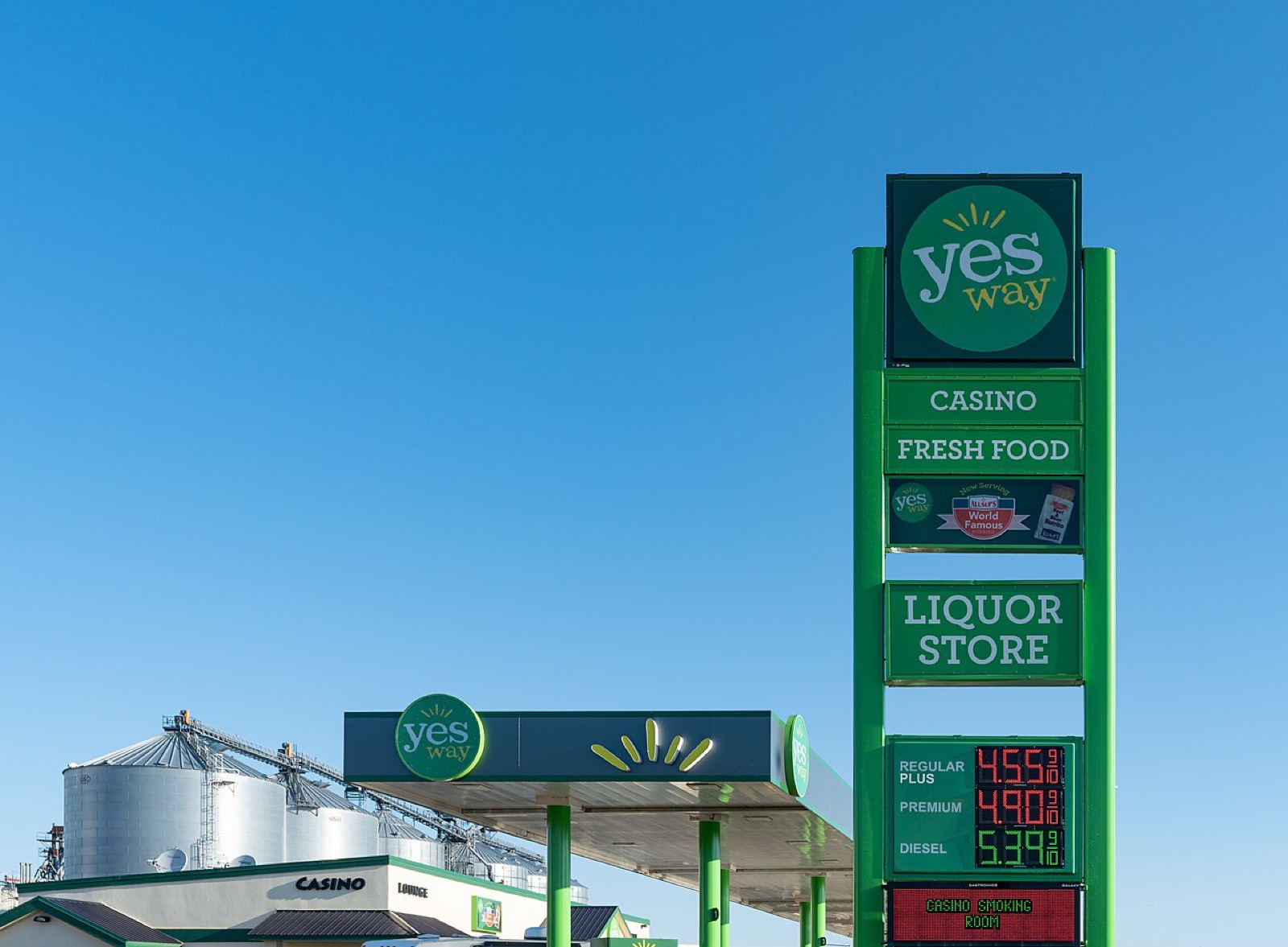
Energy had not yet become the story it would be later in March. In February, the energy index declined 0.4 percent. Gasoline was down 1 percent for the month. The later change in oil prices could not be inferred from those figures. The price at a station responds to crude oil, refining, distribution, taxes and local conditions, and it can move on a different schedule from the CPI's monthly average.
Why the timing matters for the Fed
The Federal Reserve does not set policy using CPI alone. It studies a different inflation measure, the PCE index, and evaluates employment and economic activity as well. Still, February's CPI offered a useful baseline: inflation remained above the Fed's longer-run 2 percent goal, even before the conflict's full effect on energy was known.
That left the central bank facing a difficult tradeoff. Higher fuel costs can raise the prices of transportation and goods, making inflation harder to tame. At the same time, expensive energy can squeeze families and businesses, leaving less room to spend on other things and potentially slowing hiring. A supply shock can raise prices while weakening growth, so a simple rate increase does not remove the original shortage.
What the number can and cannot tell you
The February CPI was a measurement of the recent past. It explained that prices were still higher than a year earlier and that the pace had not reached the Fed's goal. It did not predict exactly how much a driver would pay in April, how much a shop would charge for delivery, or how quickly costs would pass through to groceries.
For households, the practical lesson is to separate the published inflation number from the next bill. The report is a broad national average. A personal budget depends on what a family buys, where it lives and how much of its income goes to fuel, rent and food. The March and April reports would show more of the shock's impact.
Sources
U.S. Bureau of Labor Statistics, Consumer Price Index, February 2026, released March 11, 2026; BLS, February 2026 CPI tables. bls.gov
Spotted an error? Tell the editor. Corrections are logged on our corrections page.