Fed officials warned that persistent inflation could bring more rate increases
After September’s hike, public comments signaled that policymakers remained concerned about price pressure and were not promising the cycle was over.
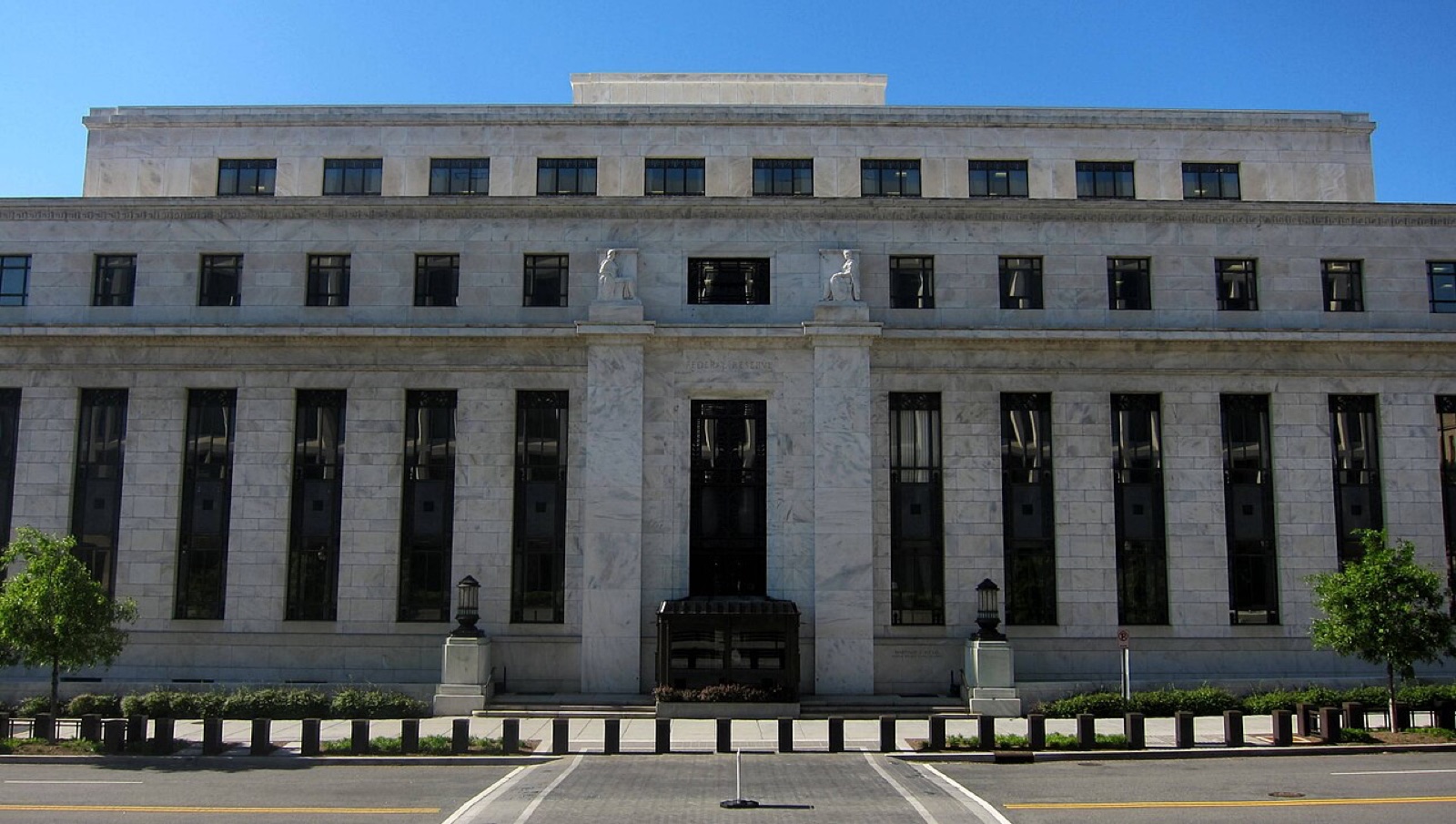
Published October 27, 2026. This retrospective examines Federal Reserve officials’ public comments after the September rate increase.
After raising its benchmark rate in September, the Federal Reserve faced a question familiar to borrowers: was that increase the last one? Officials’ public comments indicated that additional tightening could be considered if inflation remained persistent. The remarks were a warning about the data-dependent outlook, not a pre-announcement of a specific future decision.
What a signal from one official means
The Federal Reserve is a committee. A governor or regional bank president can explain their own view, but one speech does not equal a vote by the whole committee. Markets may react because officials’ comments reveal the range of opinions and the conditions that could change policy.
Rates move in response to the committee’s decisions, not a single quote. Meeting statements, minutes, projections and votes are the formal record. Public comments can still help people understand how officials weigh inflation, employment and uncertainty between meetings.
Why inflation concerns matter to families
If the Fed raises rates, the cost of some new borrowing can rise. Credit-card rates and variable-rate loans may react more quickly than fixed-rate mortgages. Existing fixed-rate mortgage borrowers are generally insulated from a policy change, though they may face higher costs if they move or refinance.
Higher interest rates can also slow demand. That may help reduce inflation over time, but it can make it harder for businesses to finance expansion and for households to buy homes or cars. The policy trade-off is real: price stability matters, and so do jobs and access to credit.
Why officials do not promise a path
Central bankers often avoid committing to a fixed sequence because economic conditions change. A rate path that seems appropriate before a new inflation release can look wrong afterward. The September remarks were therefore best understood as conditional: persistent price pressure could lead to more increases, while softer data could change the balance.
WallPost’s September hike article covers the actual quarter-point decision. This separate article covers what officials said afterward and how households might interpret that signal. A comment about possible future policy is not the same as a new rate decision, and no reader should treat it as a guaranteed forecast.
For borrowers, the comments were a reason to watch the data, not to assume that a specific payment would change the next morning. Lenders price loans using market rates, risk and their own costs. Even when a Fed move influences those rates, timing differs. People with variable-rate debt may see changes sooner; fixed-rate borrowers usually encounter the change only if they take a new loan or refinance.
Central-bank language is carefully conditional. Officials describe risks they see, but they do not know the future path of prices or employment. A warning that further increases are possible is not the same as saying they are inevitable. It tells households and businesses which evidence could shape the next decision and why a rate hold at one meeting does not guarantee a cut at the next.
Sources
Spotted an error? Tell the editor. Corrections are logged on our corrections page.