The Fed held rates in January. Here is what that did, and did not, change
On January 28, the Federal Reserve kept its benchmark rate between 3.5 and 3.75 percent. That left the cost of many new loans high, while protecting borrowers with fixed rates from an automatic change.
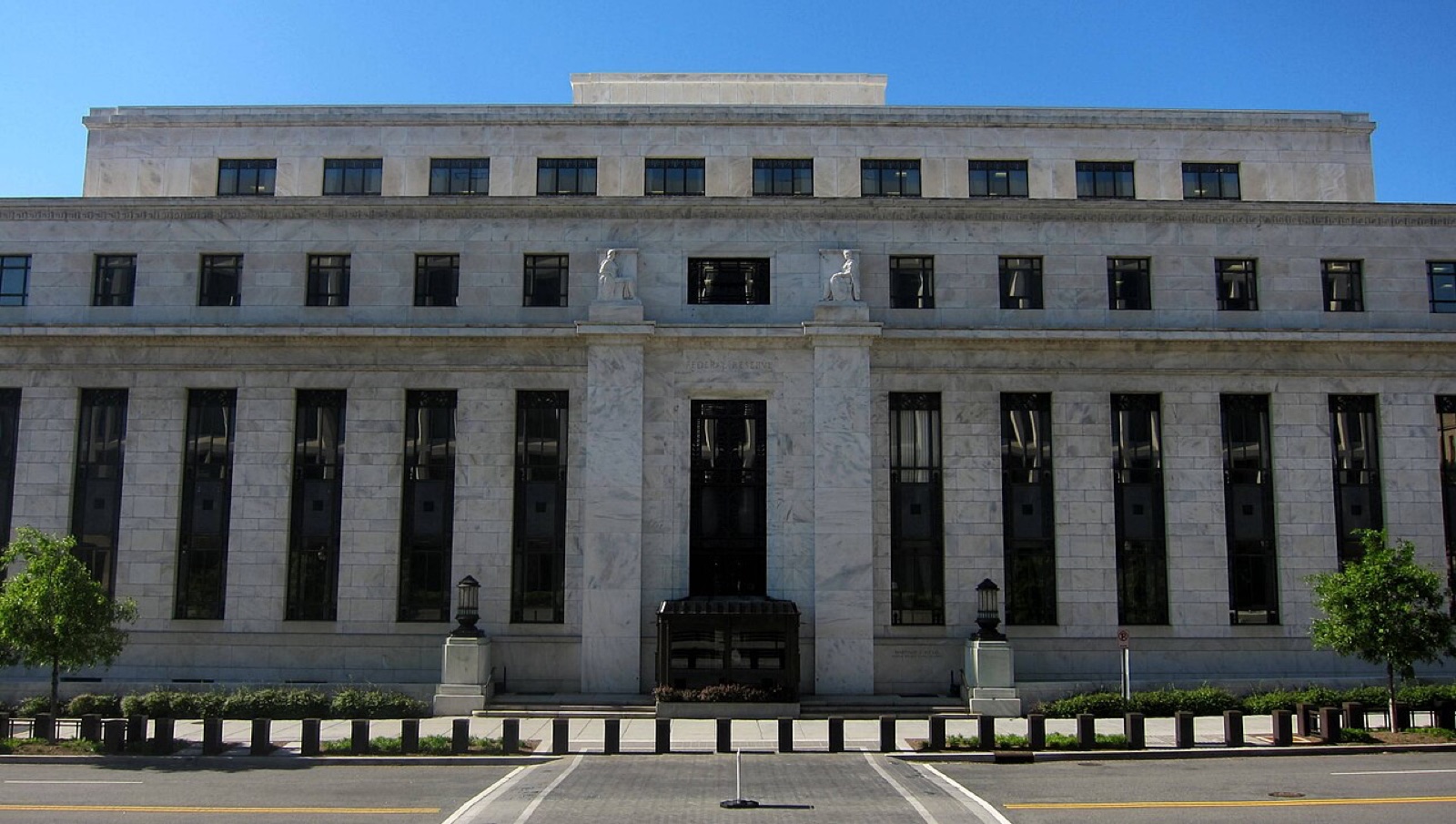
Published October 27, 2026. This article examines the Federal Reserve's January 28 decision.
On January 28, the Federal Reserve left its key interest-rate target at 3.5 to 3.75 percent. The decision did not make loans cheaper. It meant the central bank would wait for more evidence before changing the cost of short-term money again.
What the Fed actually sets
The Federal Reserve does not announce the interest rate on a particular family's mortgage, car loan or credit card. It sets a target range for the federal funds rate, the overnight rate banks charge one another to borrow reserves. That rate influences a wide chain of borrowing costs. Credit cards and some adjustable-rate loans often respond relatively quickly. Mortgage rates also depend on longer-term bond markets, so they can move before or after a Fed meeting.
That distinction matters because a headline saying “the Fed held rates” can sound like a household reprieve. For a borrower with a fixed-rate mortgage, the payment generally does not change when the Fed meets. Someone carrying a variable-rate balance may still face a high annual percentage rate, and a person applying for a new loan still encounters the rates lenders offer that day. The January vote did not erase either cost.
Why officials waited
In its statement, the Fed said economic activity was expanding at a solid pace, job gains had remained low, unemployment had shown signs of stabilizing, and inflation remained somewhat elevated. That combination gave policymakers reasons to be cautious. Raising rates can cool demand and help slow price increases, but it can also make borrowing harder for households and businesses. Cutting too soon can leave inflation pressure in place.
The vote was not unanimous. Stephen Miran and Christopher Waller preferred a quarter-point cut. Their disagreement showed that officials did not all read the same data in the same way, even though the majority chose to hold. The committee said it would assess incoming information rather than commit to a preset path.
Who feels a hold
A rate hold preserves the existing policy setting. It does not freeze every market rate, and it does not mean prices are stable. A household saving in a high-yield account may continue to receive more interest than in the low-rate years, though the bank can change its offer. A person with credit-card debt still owes interest on the balance. A small business considering equipment may postpone the purchase if the loan payment does not fit its budget.
The same policy reaches workers indirectly. If higher borrowing costs cause a company to delay expansion, that can mean fewer new openings. If the Fed cuts before inflation is under control, households may later pay more for everyday goods. There is no single rate that helps every person at once.
The household meaning
For someone comparing a new loan, the useful number is the actual annual percentage rate and monthly payment offered by a lender, not just the Fed's target. For people carrying debt, paying down principal reduces the amount on which interest accrues. Those are general explanations, not personal financial advice.
The January decision was a pause in policy, not a promise about the next meeting. As the year unfolded, new inflation and labor reports changed the debate. The Fed's later September increase made clear that a hold can be temporary: officials can wait, then move when their assessment changes.
Federal Reserve, January 28, 2026 statement · Federal Reserve, monetary policy overview
Sources
Federal Reserve, January 28, 2026 FOMC statement; Federal Reserve, Monetary Policy and Interest Rates; Consumer Financial Protection Bureau, credit card interest and repayment guidance. federalreserve.gov
Spotted an error? Tell the editor. Corrections are logged on our corrections page.