The Iran war put a vital oil route and household budgets at risk
The conflict that began February 28 threatened shipments through the Strait of Hormuz, connecting a regional war to fuel, freight and prices far beyond the battlefield.
Published October 27, 2026. This retrospective examines the start of the Iran conflict on February 28 and its economic transmission.
U.S. and Israeli strikes on Iran began February 28. Within days, the conflict was not only a military and diplomatic crisis. It became a threat to oil production and shipping through the Strait of Hormuz, a narrow passage linking the Persian Gulf with the open ocean.
Why a narrow waterway matters worldwide
Oil is bought and sold in a global market. A disruption in a major producing region can lift prices even for buyers whose own supplies come from somewhere else. Traders price in the risk that fewer barrels will reach refiners, or that tankers, crews and insurers will face greater danger.
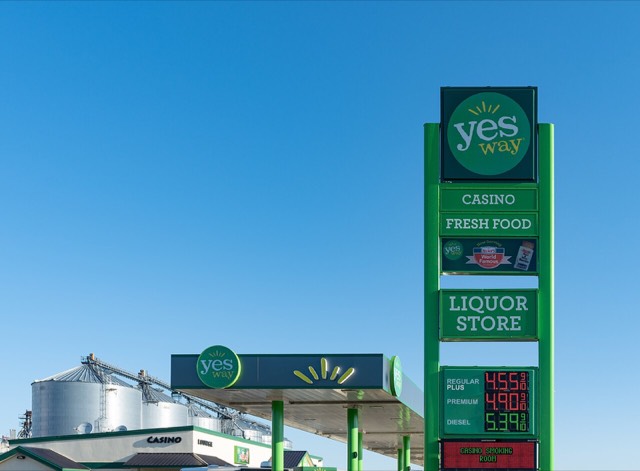
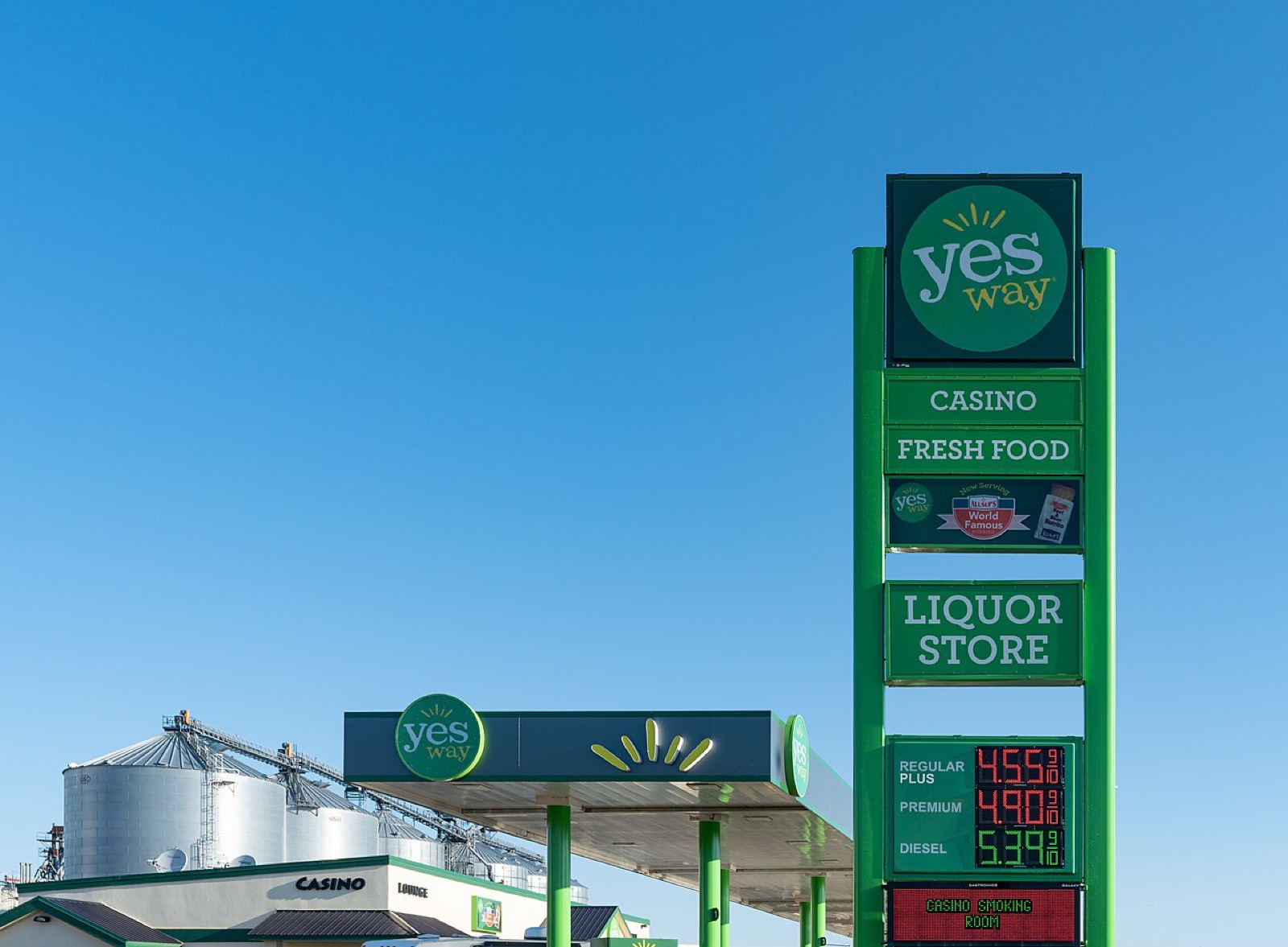
The Strait matters because large volumes of oil and liquefied natural gas move through it. If ships cannot pass safely, energy buyers compete for alternative supplies. The immediate effect is often first seen in wholesale oil prices. Retail gasoline can follow, but not instantly and not one-for-one: refining, taxes, distribution, local competition and inventories all shape the price on a station sign.
How the shock can travel to a household
Fuel is also an input to transportation and production. Trucking companies use diesel. Airlines buy jet fuel. Farmers need fuel to operate equipment and move crops. Manufacturers use energy to make goods and rely on shipping to receive parts. Businesses may absorb some of a cost increase, but sustained higher costs can eventually appear in fares, delivery charges or shelf prices.
The burden depends on a household’s circumstances. Someone who must drive long distances for work has fewer ways to avoid a pump-price increase. A renter may not control the heating system or building efficiency. Lower-income households often devote a larger share of their income to necessities, leaving less room to absorb a sudden bill.
Prices do not move in a straight line
Oil prices can fall when traders expect supply to resume, even while households continue paying for fuel already purchased at higher wholesale prices. Conversely, a calm market quote does not mean every business has reset its contracts. Delays between crude oil, gasoline, freight and consumer prices help explain why the effect can last beyond the first shock.
WallPost’s later reporting on gasoline and the Strait follows those distinct stages. The first story is the geopolitical trigger and the route’s importance. A separate article examines the pump-price surge, while later coverage examines the ceasefire and renewed shipping risk. Keeping those articles separate helps readers see how a conflict can move from a military event to an oil market, then to a monthly household budget.
The timing of the effect differs by market. Oil futures can react within minutes to a new threat. Refiners and wholesalers adjust purchases on their own schedules, and retailers then decide when to change posted prices. A household may therefore see the impact in stages. That delay should not be mistaken for proof that the disruption has no effect, nor does it mean every later price increase can be attributed to the conflict.
Sources
Spotted an error? Tell the editor. Corrections are logged on our corrections page.