January inflation cooled to 2.4 percent. Your bills still did not go down
The January consumer price report showed prices rising more slowly than a year earlier. Shelter and food were still getting more expensive, while gasoline fell for the month.
Published October 27, 2026. This article examines the January 2026 inflation report.
Consumer prices rose 2.4 percent over the year through January, down from 2.7 percent over the year through December. The monthly increase was 0.2 percent after seasonal adjustment. That was a slower pace of inflation, not a reversal of the price increases households had already absorbed.
What the 2.4 percent measures
The Consumer Price Index tracks the changing prices of a broad basket of goods and services bought by urban consumers. The year-over-year figure compares January 2026 with January 2025. It does not say that every household paid exactly 2.4 percent more. A renter, a homeowner, a commuter and a family with a new baby buy different baskets.
Inflation is the speed at which the price level rises. If inflation falls from 2.7 percent to 2.4 percent, the average basket is still more expensive than it was a year ago. A price actually falls only when its own index declines. That difference explains why people can hear that inflation has “cooled” and still feel that their monthly budget is tight.
What was moving inside the report
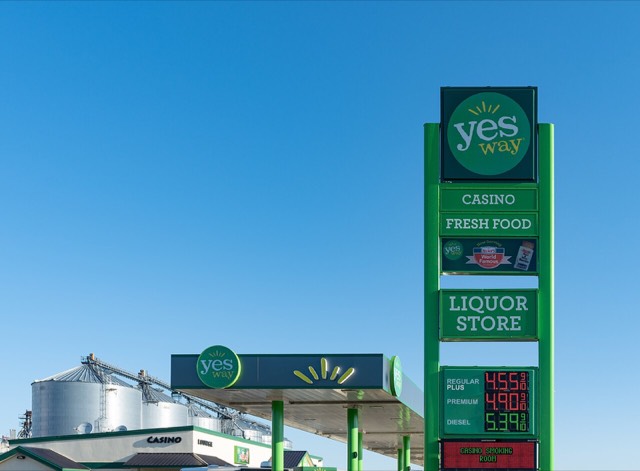
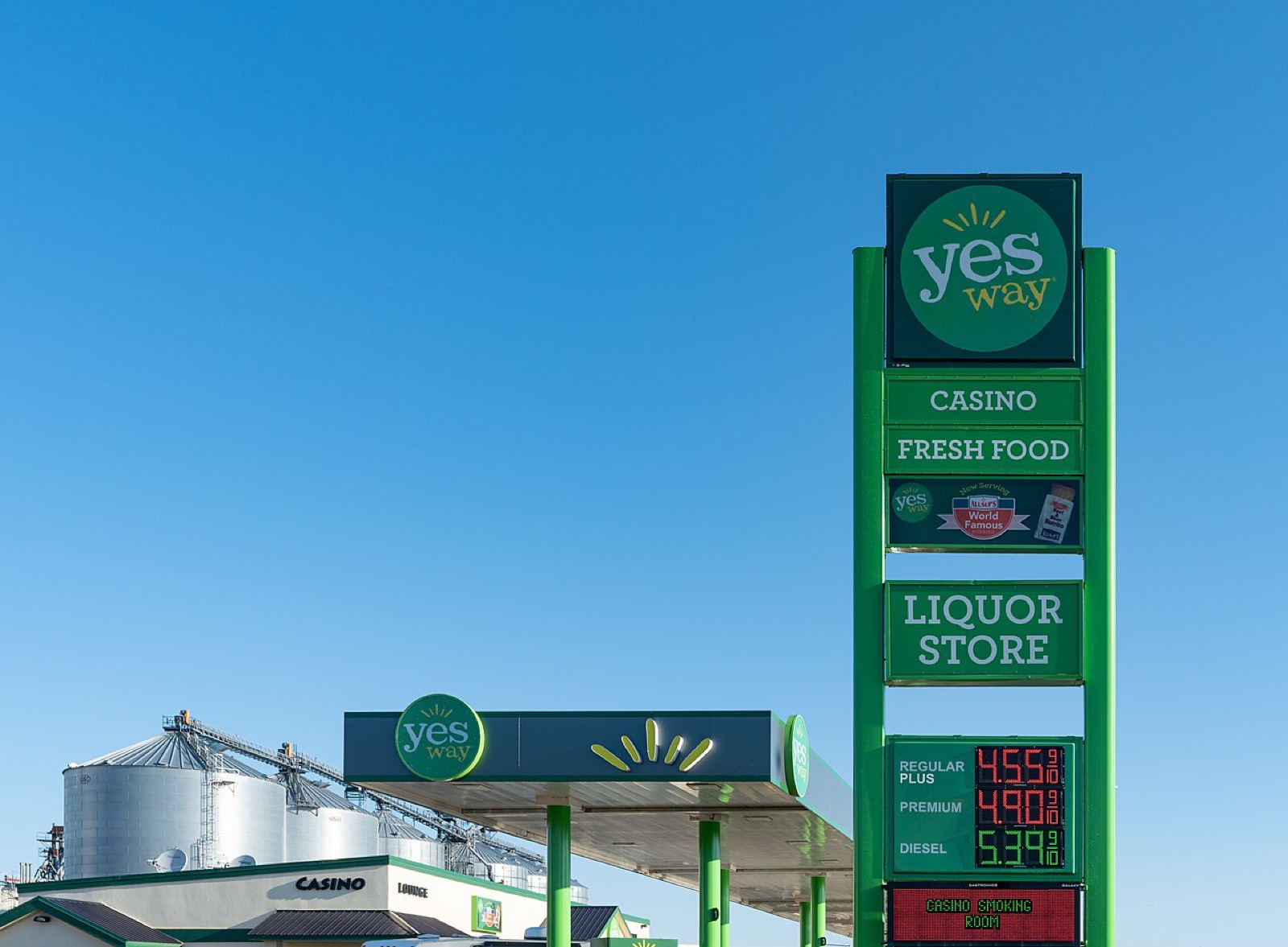
Shelter was the largest factor in the January monthly increase. The shelter index rose 0.2 percent, and food also increased 0.2 percent. Food at home rose 2.1 percent over the year. Restaurant prices were up 4 percent over that same period. Energy moved the other way: the energy index fell 1.5 percent in January, and gasoline fell 3.2 percent for the month.
These figures show why a single national inflation number can conflict with a household's experience. Someone who spends a large share of income on rent may notice a different pattern from a driver who benefited from lower gas prices. The CPI gives a consistent national yardstick. It is not a receipt for any one family.
Why the report mattered to the Fed
The Federal Reserve aims for 2 percent inflation over time, measured by a different index, the Personal Consumption Expenditures price index. CPI still matters because it is released earlier and provides another reading of price pressure. A lower CPI reading can support the view that price increases are easing. But one month does not prove that inflation is back at target, especially when some large household costs remain elevated.
The Fed also has a job to support employment. If it cuts interest rates too quickly while prices are still rising faster than desired, demand may keep inflation high. If it keeps rates high for too long, borrowing and investment can slow. Policymakers look at a stream of reports rather than letting one CPI release decide the next move.
What to take from it
The January report offered some relief in the rate of increase and a warning against mistaking slower inflation for cheaper living. It showed gasoline falling while shelter and food continued to rise. For a family's budget, the categories it actually buys matter more than the headline alone. For policymakers, the details helped shape a debate about when borrowing costs could safely come down.
Sources
U.S. Bureau of Labor Statistics, Consumer Price Index, January 2026, released February 13, 2026. bls.gov
Spotted an error? Tell the editor. Corrections are logged on our corrections page.