The Fed held rates in July as it weighed inflation against a cooling job market
The central bank left the benchmark rate unchanged. Officials described solid activity but warned that inflation and the outlook remained uncertain.
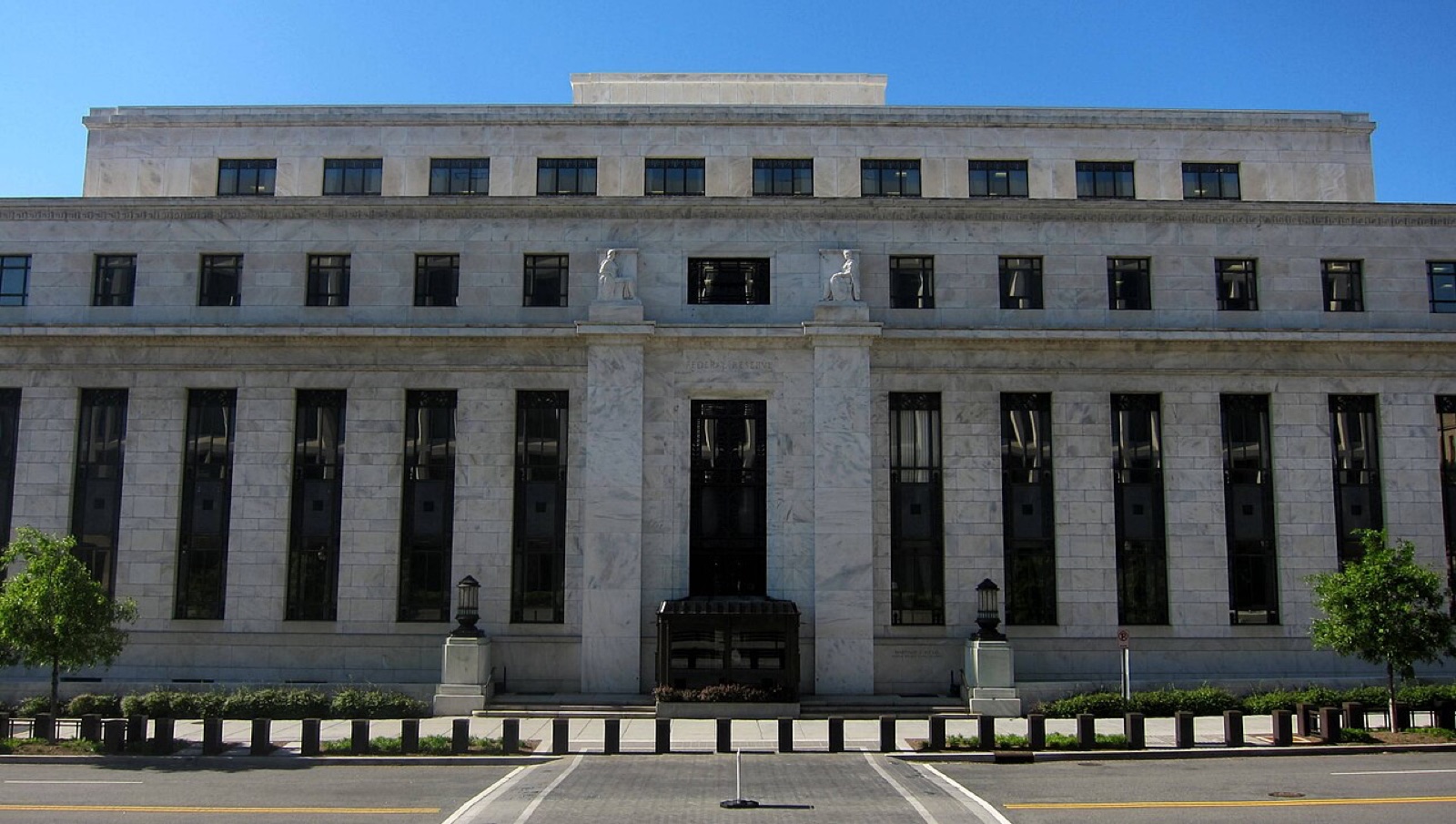
Published October 27, 2026. This retrospective examines the Federal Reserve’s July 29 decision.
The Federal Reserve kept its target range at 3.5 to 3.75 percent at its July 29 meeting. The decision passed 9–3. Three regional bank presidents preferred a quarter-point increase, a rare split that showed some officials believed inflation required a faster response. Officials said economic activity was expanding at a solid pace despite elevated uncertainty, including the conflict in the Middle East. The decision came as energy-related price pressures remained part of the inflation picture and the labor market showed signs of slower hiring.
A hold still affects borrowing
Leaving the policy rate unchanged does not make loans inexpensive. It means the Fed did not raise or lower its target at that meeting. Credit-card rates, auto loans and mortgages respond to different benchmarks and lender decisions, though the Fed’s policy can influence the broader cost of credit.
People with fixed-rate mortgages generally do not see their payment change because of a Fed meeting. People carrying variable-rate debt may see rates adjust over time. Someone shopping for a new loan faces market conditions that can change before and after the central bank announces a decision.
The Fed cannot directly solve an oil disruption
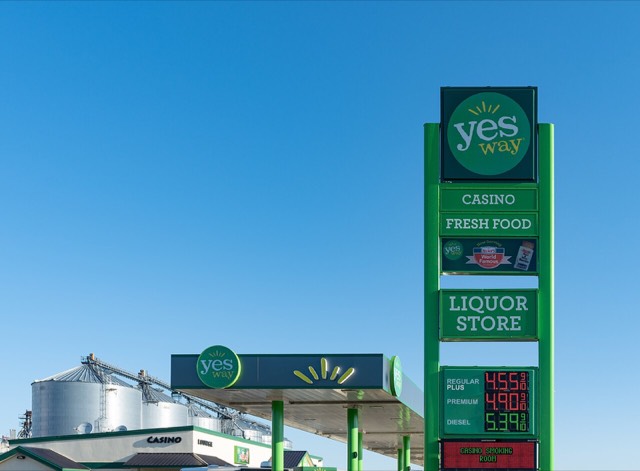
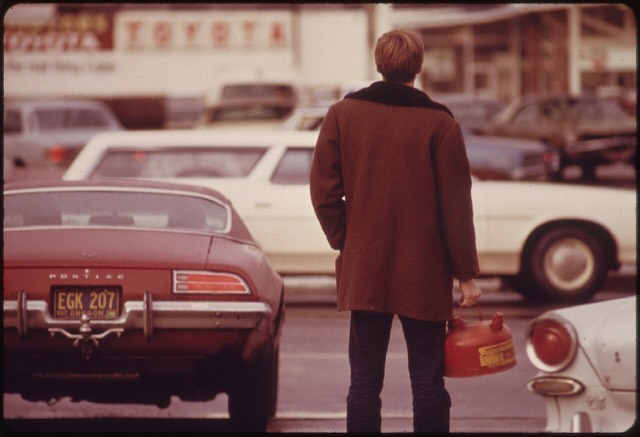
Higher fuel prices can lift inflation while squeezing household spending. Raising rates may restrain demand and help prevent a temporary shock from spreading into wider price increases. But a higher rate cannot make more oil available or secure a shipping route. It can also cool hiring and business investment.
The Fed’s challenge is to distinguish a temporary price spike from inflation that persists after the original supply shock. If officials react too aggressively to a short-lived increase, they may weaken employment unnecessarily. If they wait while prices keep spreading, expectations can become harder to contain.
Why one decision is not a promise
A policy statement summarizes the committee’s assessment on one date. It does not bind future meetings. New inflation, jobs and spending data can change the outlook. The minutes, projections and individual public comments offer more context, but the actual decision remains the committee’s collective vote.
The July hold was one step in a year when the Fed first waited, then later raised rates in September. The July vote was unusually divided: three members preferred an increase. That dissent did not change the rate, but it showed the committee was weighing the inflation risk differently. Those are separate decisions made with different information. For readers, the practical message was that borrowing costs were likely to remain a concern while inflation stayed above target and the employment picture remained uneven.
The dissenting votes were meaningful because the committee had not been unanimous about the balance of risks. Three presidents preferred a quarter-point increase, while the majority kept rates steady. The split did not mean the Fed had already decided to hike later. It did show that members were debating whether inflation was serious enough to justify tightening immediately despite uncertainty about employment and growth.
Sources
Spotted an error? Tell the editor. Corrections are logged on our corrections page.