June prices fell for the month as energy retreated
The CPI declined 0.4 percent in June, the largest monthly drop since April 2020, but prices remained 3.5 percent above a year earlier.
Published October 27, 2026. This retrospective examines the June 2026 CPI report, released July 14.
Consumer prices fell 0.4 percent in June, the largest one-month decline since April 2020, according to the Bureau of Labor Statistics. The drop followed increases in April and May. Over the 12 months ending in June, prices were still 3.5 percent higher. A monthly decline and a higher yearly price level can occur at the same time.
Energy drove the monthly reversal
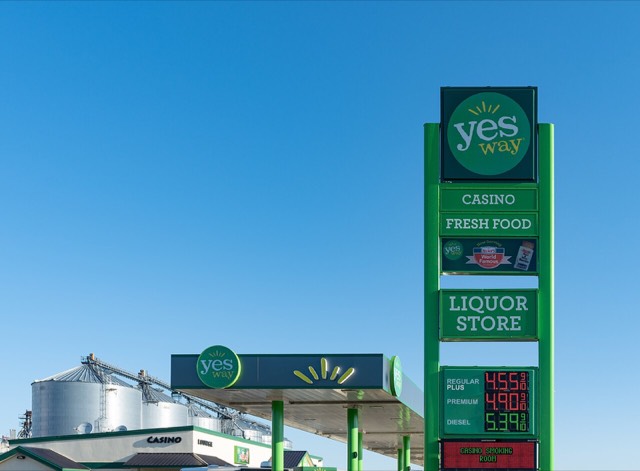
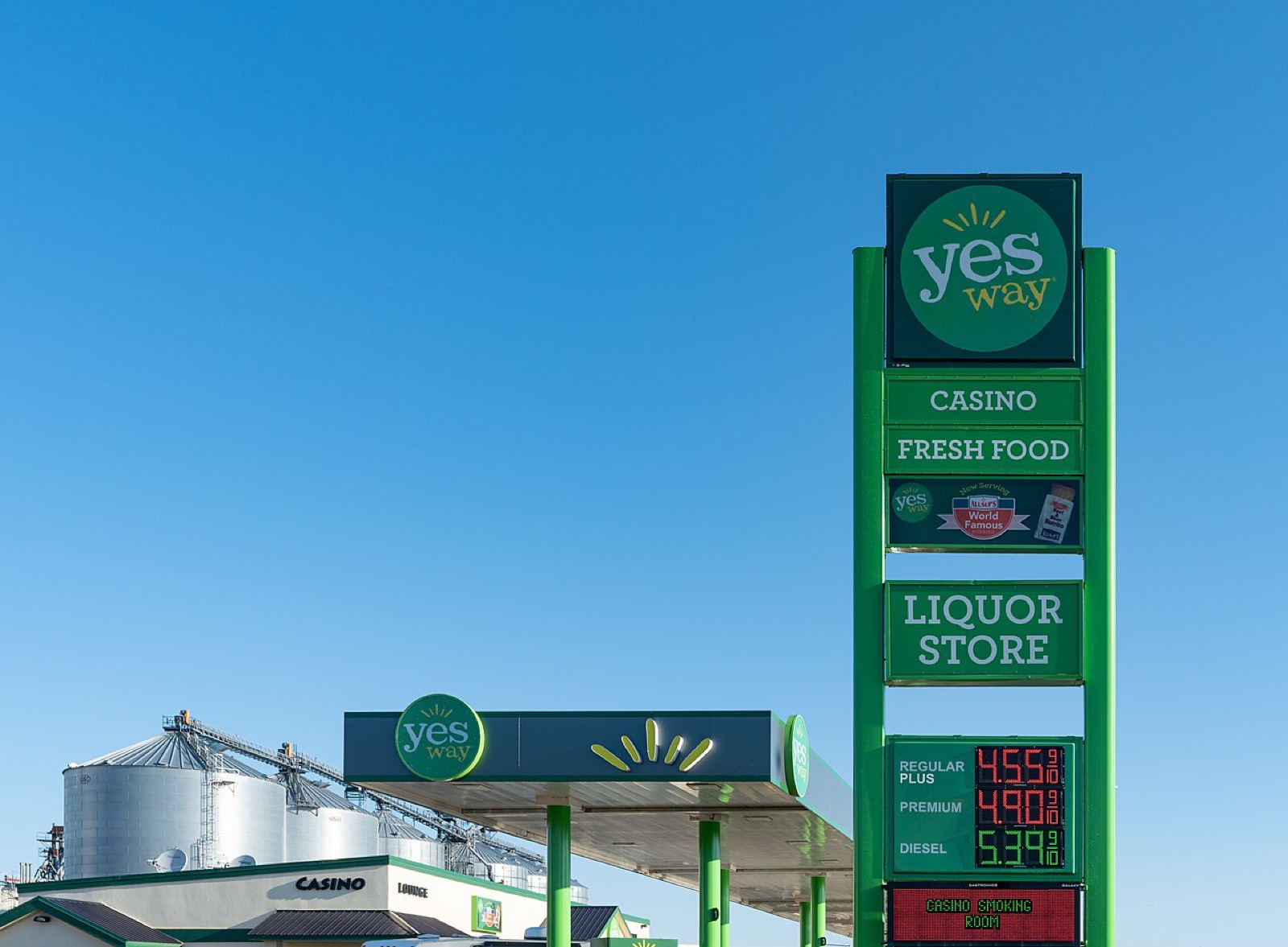
The energy index fell 5.7 percent in June after rising in each of the three previous months. Gasoline dropped 9.7 percent on a seasonally adjusted basis. Those changes more than offset increases in food and shelter. Core CPI, which excludes food and energy, was unchanged for the month and 2.6 percent higher over the year.
This is a strong example of why the overall CPI can move sharply when fuel prices turn. A household that drives may notice a lower pump bill quickly. Rent, insurance, medical care and other services do not necessarily follow the same monthly path. The index blends many categories using their weight in a typical consumer basket.
What falling inflation does and does not mean
A negative monthly CPI reading means the average basket cost less than the month before, after seasonal adjustment. It does not mean every category became cheaper. It also does not return prices to the level from before the year’s increases. A lower gas price can provide relief without undoing the earlier amount spent on fuel.
Over the year, the energy index was still 15.7 percent higher. That annual comparison reflects earlier spikes even as June itself brought a sharp decline. It is possible for a family to feel some month-to-month relief and still spend considerably more than a year earlier.
Why the Fed looked beyond one month
Policymakers watch whether price changes persist and spread. A one-time decline in gasoline can lower headline inflation without proving that underlying services costs are under control. The Federal Reserve’s 2 percent goal is based on a different price index. The CPI report informs the debate, but it does not mechanically dictate a rate decision.
June’s report was welcome news for the monthly average, especially after the spring energy surge. It was not a declaration that affordability had been restored. The distinction between a price level and inflation’s current pace is central to understanding why people can see a better monthly number while continuing to feel squeezed at checkout and in their monthly bills.
The June change was seasonally adjusted, a statistical step intended to remove recurring patterns such as predictable summer or holiday price movements. The index’s annual comparison is not seasonally adjusted in the same way. When comparing numbers, readers should use the same measure and period. Mixing the seasonally adjusted monthly rate with an unadjusted city figure can make a real report appear contradictory.
The contrast with May was sharp: after several months of rising energy costs, June’s gasoline decline reduced the overall monthly index. It did not cancel the earlier increases. A household that filled a tank in June may have received immediate relief, while a renter or customer paying for services saw different costs. That is why a national CPI turn can be real and still feel uneven from one budget to another.
Sources
Spotted an error? Tell the editor. Corrections are logged on our corrections page.