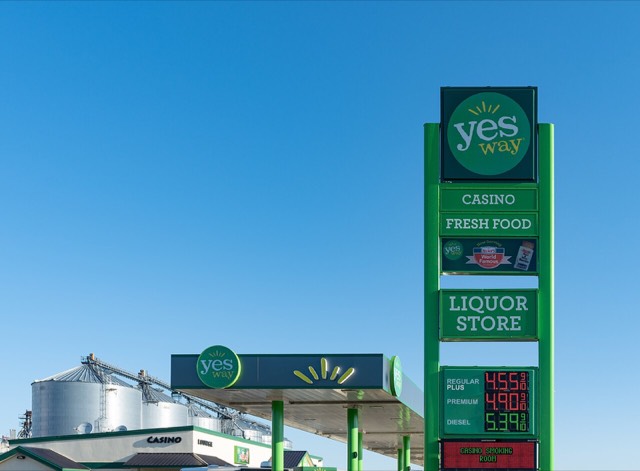
In March, the Fed held rates as war clouds gathered over the economy
The central bank kept its target range at 3.5 to 3.75 percent and said the effects of the Middle East conflict were uncertain. One governor wanted a cut, highlighting how hard it was to balance inflation and employment.
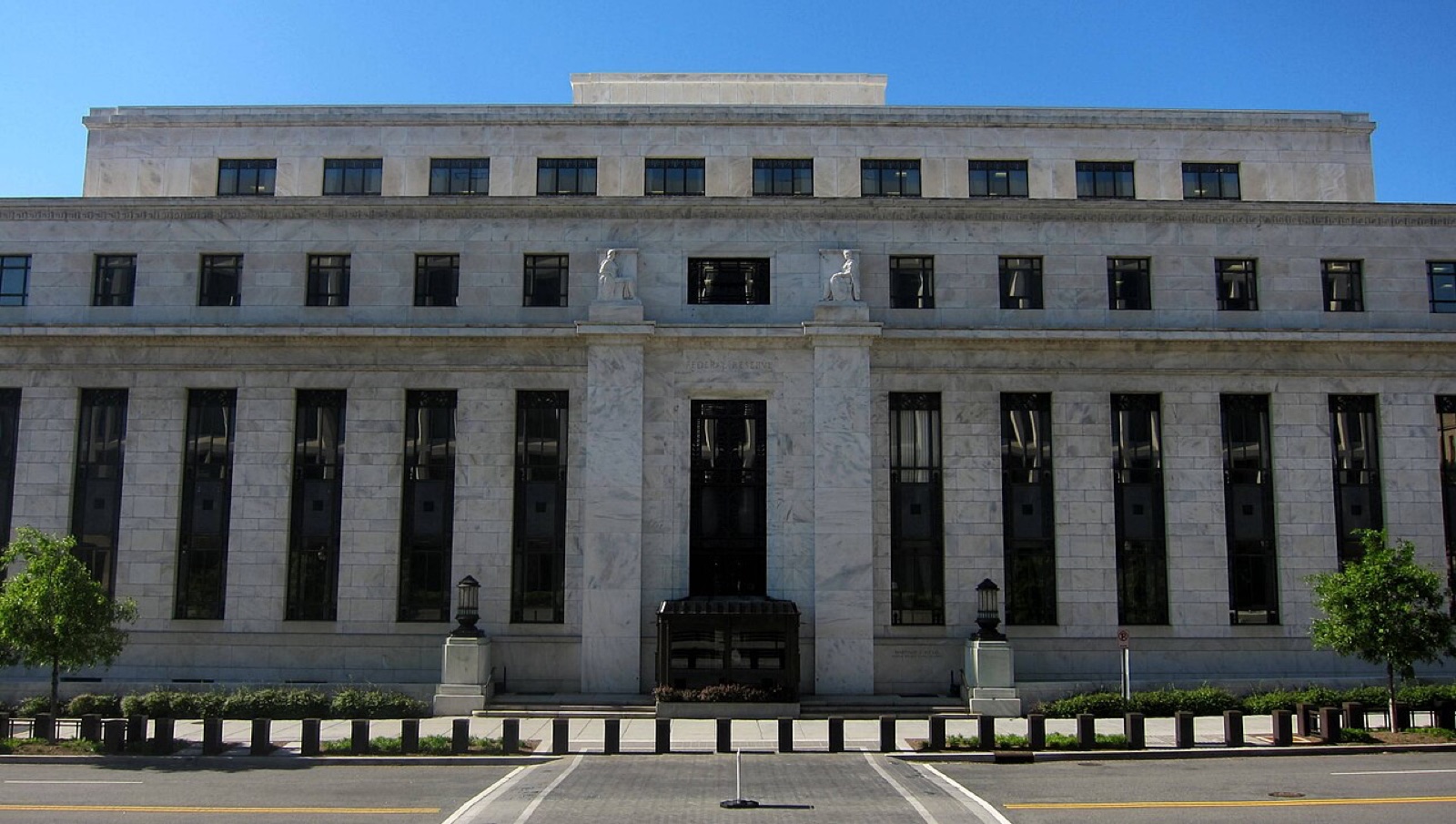
Published October 27, 2026. This article examines the Federal Reserve's March 18 meeting.
The Federal Reserve held its benchmark rate steady on March 18, keeping the target range at 3.5 to 3.75 percent. The meeting came as the war with Iran was beginning to disrupt oil shipments. Officials said the conflict's economic effects were uncertain. One voting member preferred a rate cut, a sign that the committee was weighing the risks to jobs and prices differently.
A policy decision with two risks
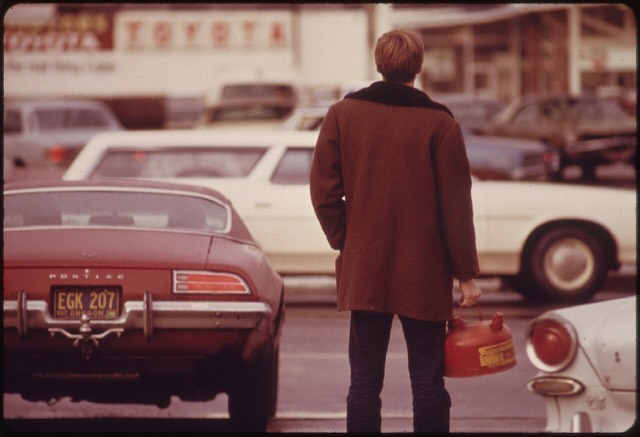
The Fed had not yet seen the full effect of the oil shock in official inflation reports. It did know that energy markets were unsettled and that more expensive fuel could spread through transport and production. Higher prices can make inflation harder to bring down. At the same time, households facing bigger fuel bills have less money for other spending, and businesses may put off hiring or investment.
That is the central bank's difficult position. Higher interest rates can cool borrowing and demand, which may ease inflation over time. But those rates can also make homes, cars and business expansion more expensive. Cutting rates can support spending and employment, yet may be premature if prices keep climbing. The Fed cannot produce oil or reopen a shipping route with a rate decision.
What the statement said
The committee described economic activity as expanding at a solid pace, while job gains had remained low and unemployment had changed little. It said inflation remained somewhat elevated and highlighted uncertainty about the effects of developments in the Middle East. Its choice was to maintain the current range and wait for more information.
The vote was 11 to 1. Stephen Miran dissented in favor of a quarter-point cut. A dissent does not change the policy on its own. It is a public record that a member believed another course was better, and it lets the public see that the debate was not settled unanimously.
What “hold” meant for borrowers
A hold keeps the Fed's target range unchanged. It does not hold every consumer rate fixed. Credit-card offers, car-loan rates and mortgage rates respond to different benchmarks and can move for reasons beyond the meeting. People with existing fixed-rate loans generally keep the same contractual rate; a borrower shopping for a new loan sees the terms available now.
For savers, banks can also adjust the interest they pay on deposits, sometimes with a delay. A hold therefore does not benefit every household in the same way. A family carrying a revolving credit-card balance may focus on the annual percentage rate. A retiree with savings may focus on the account's yield. A small business may focus on whether customers are still spending enough to justify a new hire.
What the March pause could not settle
The Fed's projections are not promises. They reflect policymakers' individual views about where the economy and interest rates may go, based on information available at that meeting. A new supply shock can make those views stale quickly. The March decision bought time to see how oil costs affected consumer prices, expectations and employment.
Later in the year, the Fed would raise rates as inflation rose. That outcome should not be projected backward into the March meeting as if it were already certain. At the time, officials faced incomplete data and a new conflict whose reach into U.S. prices and jobs had yet to be measured.
Federal Reserve, March 18 statement · Federal Reserve, March projections
Sources
Federal Reserve, FOMC statement, March 18, 2026; Federal Reserve, March 2026 economic projections; Federal Reserve, FOMC press conference transcript. federalreserve.gov federalreserve.gov
Spotted an error? Tell the editor. Corrections are logged on our corrections page.