Gasoline pushed March inflation up 0.9 percent in one month
The annual inflation rate rose to 3.3 percent as energy costs jumped. Gasoline accounted for nearly three-quarters of the monthly increase, while the core index rose more slowly.
Published October 27, 2026. This article examines the March 2026 inflation report, released after the war-driven oil shock began.
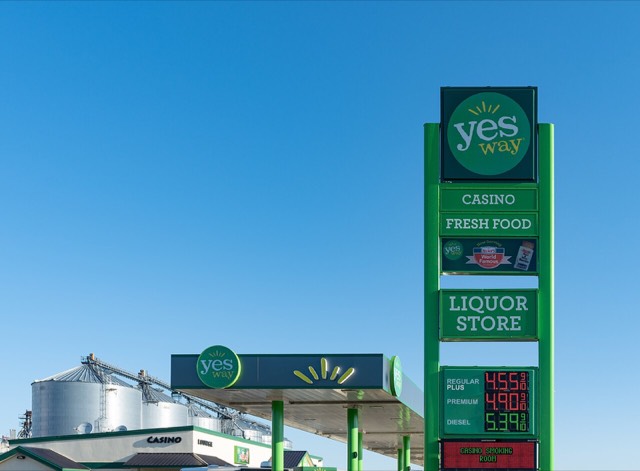
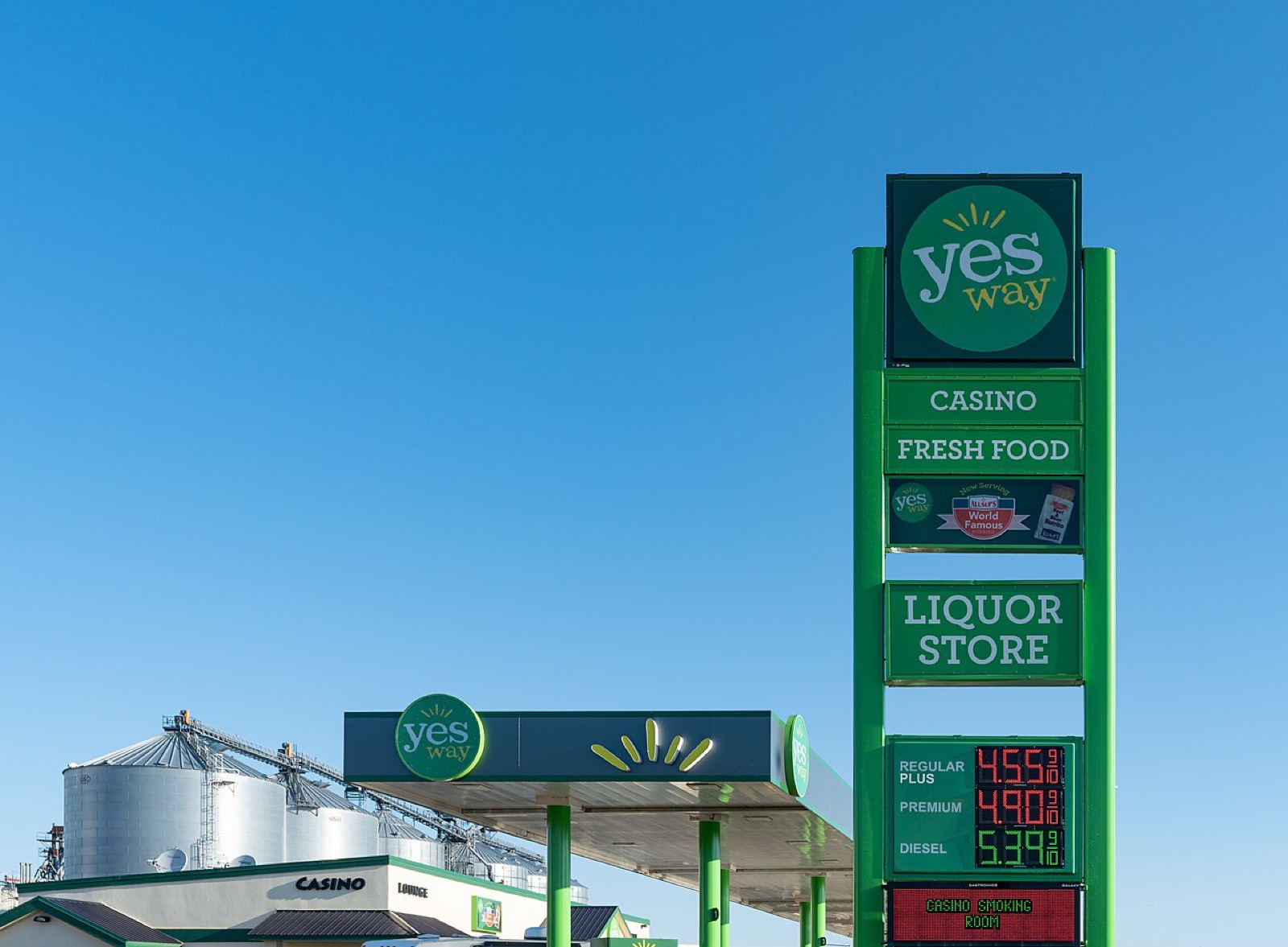
Consumer prices rose 0.9 percent in March, the largest monthly increase in several years, and were 3.3 percent higher than a year earlier. Gasoline prices jumped 21.2 percent for the month and accounted for nearly three-quarters of the overall monthly increase, the Bureau of Labor Statistics reported April 10. The data made visible what drivers had already begun to feel at the pump.
One month, two different inflation stories
The overall Consumer Price Index includes food and energy. It rose 0.9 percent from February after seasonal adjustment. The index excluding food and energy, often called core CPI, rose 0.2 percent for the month and 2.6 percent over the year. “Core” is a way to look past the categories that can swing sharply, not a claim that groceries and gasoline do not matter to families.
Both figures were useful. The overall number showed the immediate price shock in energy. The core number suggested that most other categories had not yet accelerated at the same pace. The two can move differently because fuel prices can surge quickly while rents, medical bills and many services change more slowly.
Why gasoline moved so sharply
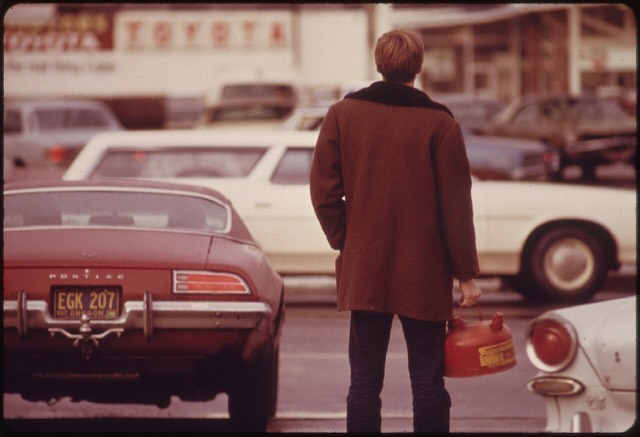
The Iran war began on February 28 and disrupted oil shipments through a critical route. A gallon of gasoline does not move one-for-one with the price of crude. Refining, distribution, local supply, taxes and seasonal fuel blends all contribute. But crude oil is a major input, and a sudden threat to supply can be reflected at wholesale markets and stations before it appears in every other category.
The BLS recorded a 21.2 percent seasonal-adjusted monthly increase in its gasoline index. Before seasonal adjustment, the increase was 24.9 percent. Seasonal adjustment is a statistical method for removing patterns that happen at predictable times of year. The unadjusted figure is closer to the raw price change, while the seasonally adjusted number is easier to compare with other months.
What the index says about a household budget
Fuel costs can hit quickly for a household that drives to work, takes children to school or depends on a car for hourly employment. Trucking, aviation and farming also use fuel, so businesses may face higher costs before customers see them in a store. That does not mean every company passes every increase along immediately. Some absorb it, some change suppliers or routes, and some raise prices later.
The March CPI also showed shelter rising 0.3 percent for the month. Food prices were nearly unchanged overall. Those details matter because a family can face a higher commute cost at the same time its rent remains high, even if the grocery index barely moves that month. A national CPI is an average, not a personalized budget calculator.
What policymakers could conclude
March gave the Federal Reserve a strong warning about headline inflation but a more contained reading from core CPI. The Fed targets 2 percent inflation over time using the Personal Consumption Expenditures index, not CPI. Still, a sharp energy increase can complicate the Fed's work if it spreads to other costs or changes what households and businesses expect prices to do.
Raising interest rates cannot replace oil that cannot be shipped. It can reduce demand over time, but it can also slow job growth and make loans more expensive. Policymakers had to judge whether the fuel shock would fade or broaden. For households, the March report explained why the pump was such a large part of the month's inflation headline, while warning that the next price increases could come through freight and services with a delay.
Sources
U.S. Bureau of Labor Statistics, Consumer Price Index, March 2026, released April 10, 2026; BLS, CPI methodology and tables. bls.gov
Spotted an error? Tell the editor. Corrections are logged on our corrections page.