May inflation reached 4.2 percent as gasoline costs surged
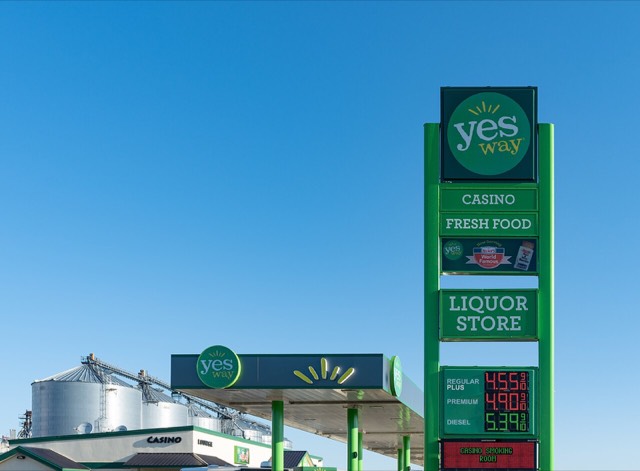
Consumer prices rose 0.5 percent during the month and 4.2 percent over the year. Gasoline rose 7 percent in May, adding pressure to household budgets.
Published October 27, 2026. This retrospective examines the May 2026 CPI report, released June 10.
The Consumer Price Index rose 0.5 percent in May and was 4.2 percent higher than a year earlier. Energy rose 3.9 percent for the month, and gasoline increased 7 percent on a seasonally adjusted basis. Families did not experience this as an abstract index. They encountered it through recurring costs such as commuting, food shopping and utilities.
The monthly change and the yearly change
The 0.5 percent figure compares the average index in May with April. The 4.2 percent figure compares May with the same month a year earlier. Both are true at once. The monthly measure can move quickly as energy prices swing; the yearly measure includes the accumulated changes from the prior 12 months.
Gasoline’s 7 percent monthly increase was especially visible because drivers buy fuel often and can see the posted price. But gasoline was not the only moving part. Food rose 0.2 percent, groceries 0.1 percent, and the shelter index rose 0.3 percent. Core CPI, excluding food and energy, increased 0.2 percent for the month and 2.9 percent for the year.
Why core inflation does not replace the full index
Economists and central bankers look at core inflation to understand price changes that may be more persistent. Food and energy can be volatile, and a short-lived jump may not tell us where prices are headed over time. For households, however, these categories are essential. A family paying more at the pump does not get to ignore gasoline because policymakers publish a core measure.
The report also cannot describe each household’s personal inflation rate. A commuter who drives a long distance may be hit harder by gasoline than someone using public transit. A renter faces a different mix than a homeowner. The CPI is a weighted national average designed to measure broad price change, not a custom budget calculator.
Why this mattered for borrowing costs
Persistent inflation can make it harder for the Federal Reserve to lower rates. The Fed’s formal target is 2 percent inflation over time, using a different measure. When inflation is elevated, interest rates can stay high for longer. That affects the cost of new credit, even though the federal funds rate does not mechanically set every mortgage or card rate.
May’s figures captured a sharp energy increase and more gradual changes elsewhere. They did not establish that every price rise was caused by the same event. The clearest household lesson is that lower inflation in a future month would mean slower increases, not an automatic return to earlier prices. Relief depends on both future price movements and the income available to pay them.
The source tables also show that some categories fell while others rose. That variation is why consumers can disagree about whether inflation is improving, even when they are looking at the same national report. The broad index answers whether the basket is more expensive on average. It cannot tell a reader that a particular grocery item, utility bill or commute will follow the same path next month.
Sources
Spotted an error? Tell the editor. Corrections are logged on our corrections page.