September inflation accelerated as gasoline jumped 9.1 percent
The CPI rose 0.6 percent in September and 3.7 percent over the year, intensifying pressure on households and complicating the Fed’s rate choices.
Published October 27, 2026. This retrospective examines the September 2026 CPI report, released October 14.
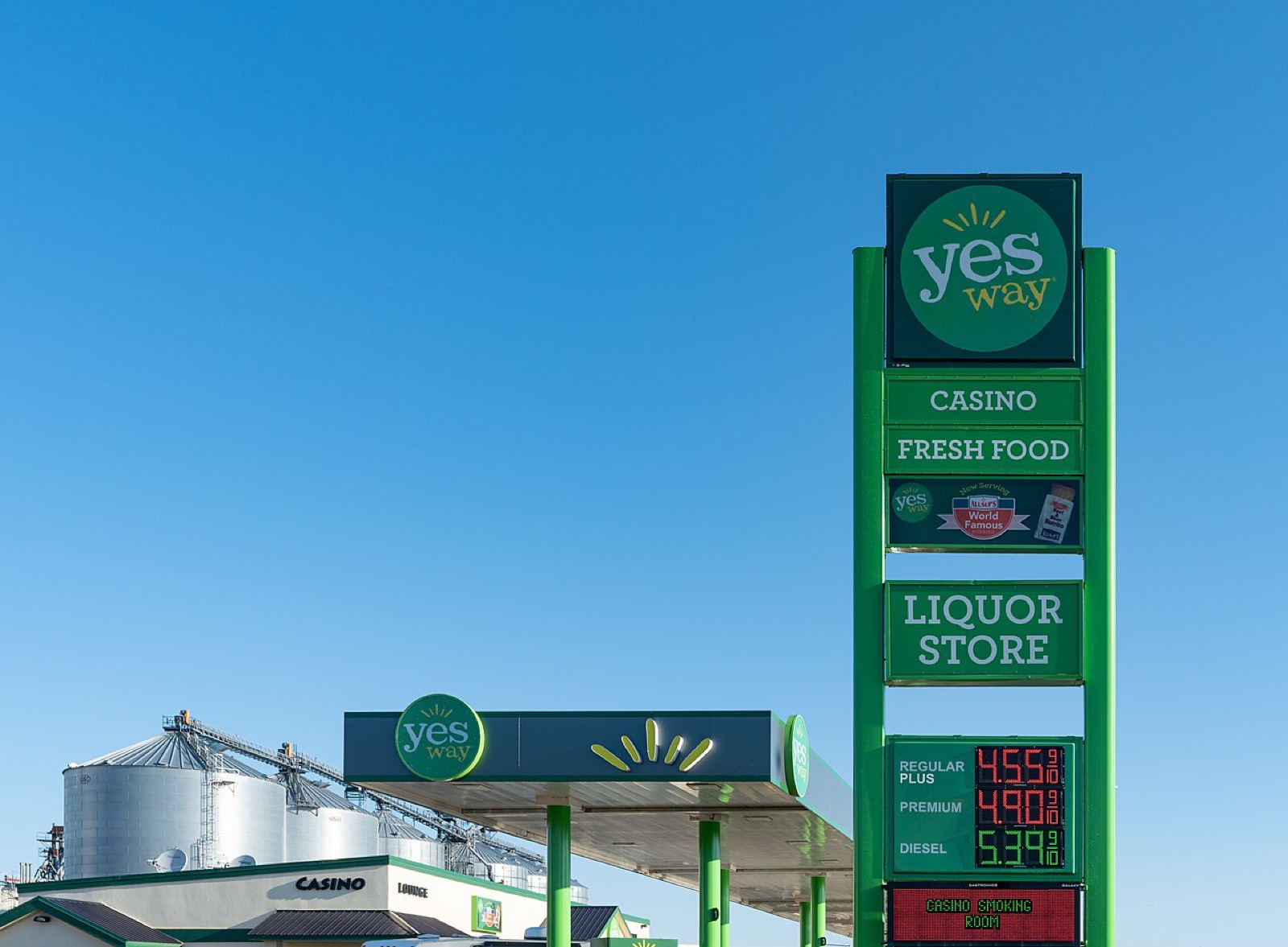
Consumer prices rose 0.6 percent in September and were 3.7 percent higher than a year earlier. Gasoline prices climbed 9.1 percent in one month. The report showed renewed pressure at a time when the Federal Reserve had recently raised its benchmark rate and households were already confronting higher borrowing costs.
What the headline includes
The Consumer Price Index tracks a basket of goods and services purchased by urban consumers. The monthly rate compares September with August after seasonal adjustment. The annual rate compares September with the same month a year earlier. Neither figure says that every family’s expenses rose at exactly that pace.
Gasoline’s sharp increase was highly visible, but the index also includes shelter, food, transportation services, medical care and other categories. The BLS report details which categories moved and how much they contributed. A headline number should be read with those component tables, especially when energy is driving a large share of the change.
Why gas can affect more than drivers
Fuel is both a household purchase and a business input. Higher gasoline prices can strain commuters directly. Higher diesel, jet fuel and shipping costs can affect the price of moving goods and people. The pass-through is not immediate or uniform; companies may absorb some costs or change routes and suppliers.
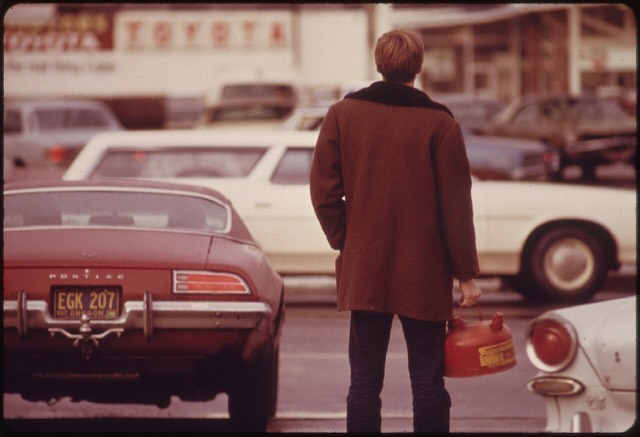
For households on tight budgets, a higher fuel bill can displace spending elsewhere. Someone with a fixed commute may have little ability to reduce driving. Rural residents and shift workers may have fewer alternatives to a car. A national average hides those differences.
What it meant for monetary policy
The Federal Reserve targets 2 percent inflation over time using a different index. A single CPI report does not dictate policy, but a broad acceleration can make rate cuts less likely and increase the chance officials keep borrowing costs high. Higher rates can slow spending, but they do not directly lower the global price of oil.
The September report joined the year’s recurring tension: fuel-driven inflation could raise costs while also squeezing household purchasing power. A 3.7 percent annual increase means the measured basket cost more than a year before; it does not mean all prices rose equally or that prices will keep rising at the same rate. The next releases would show whether the jump was temporary or spreading more broadly.
The report is a national average and cannot assign blame for every price change to one policy or one event. Energy markets, seasonal patterns, supply constraints and business decisions all matter. WallPost can describe the measured increase and its categories. A claim that a single cause explains the entire report would require evidence beyond the CPI release itself.
September’s report arrived after a summer in which monthly inflation had moved up and down with energy costs. That history makes it risky to assume that one release establishes a lasting trend. A useful follow-up is whether price increases broaden into shelter and services, whether energy retreats, and whether wages keep pace. The report captures the month’s average; later data are needed to tell whether the acceleration persisted.
Sources
Spotted an error? Tell the editor. Corrections are logged on our corrections page.